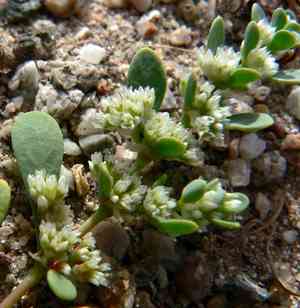
Frost-mat (Achyronychia cooperi)
Also known as: Nacré Dollar
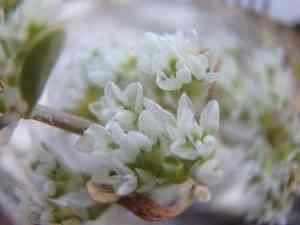
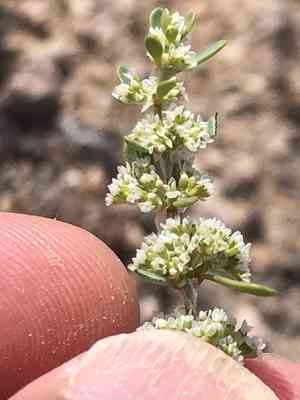
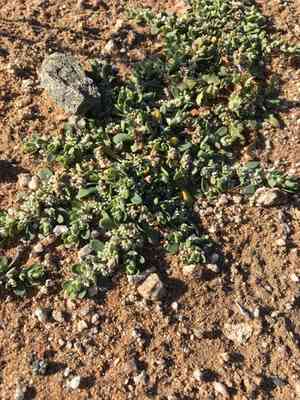
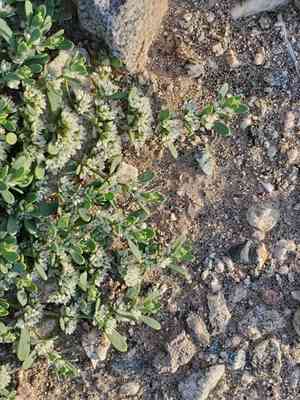
The frost-mat plant is a small, ground-hugging perennial that forms a low, mat-like structure on the ground. It thrives in sandy soils. The plant features thick, pale green, paddle-shaped leaves that are under 2 cm in length. Tiny flowers grow densely in the leaf axils. Instead of petals, each flower displays five thin, shiny white sepals resembling tiny fingernails.
In This Article
Attributes of Frost-mat
Lifespan
Annual
Plant Type
Herb
Plant Height
3 cm to 17 cm
Spread
Not applicable
Leaf Color
Green
Flower Size
2.5 mm to 3 mm
Flower Color
White Green
Images of Frost-mat
Quickly Identify Frost-mat
1
Achyronychia cooperi can be identified by its tiny stature, usually not more than 5 cm tall, with small, white, papery flowers and opposite leaves. The flowers have a characteristic shiny appearance, resembling tiny coins.
Scientific Classification of Frost-mat
Phylum
Vascular plants
Class
Dicotyledons
Order
Caryophyllales
Family
Pink
Genus
Achyronychia
Species
Frost-mat
Planting and Growing of Frost-mat
Care Difficulty
Easy
Watering Schedule
Every day
Sunlight Requirements
Full sun
Sunshine Duration
10-12 hours
Ideal Temperature
60-75℉
Soil Type
Potting Mix, Peat Mix
Soil pH
6.5-7.5
Fertilizer Type
Balanced
Pruning Season
Spring, Summer
Pruning Area
Branches, Leaves
Pruning Frequency
Once a year
Repotting Season
Spring
Pot Type
Plastic, Ceramic
 How to Water Frost-mat?
Achyronychia cooperi thrives in arid environments, so mimic its natural habitat when watering. Approximately 150ml should be sufficient each time, ensuring the soil is moist but not drenched. Remember, less is more for this desert native.
What are the symptoms of an underwatered Frost-mat?
›
What should I do if my Frost-mat is not getting enough water?
›
What are the symptoms of an overwatered Frost-mat?
›
How to save an overwatered Frost-mat?
›
 What Are the Sunlight Requirements for Frost-mat?
Achyronychia cooperi thrives best in full sun, needing 6-8 hours of sunlight daily. This range ensures robust growth with well-developed, lush foliage, promoting a healthy lifecycle and enhancing its natural beauty.
What is the best location to plant Achyronychia cooperi?
›
How can Achyronychia cooperi receive enough sunlight indoors?
›
Why is ideal lighting important for Achyronychia cooperi’s growth?
›
 What Is the Ideal Temperature Range for Frost-mat?
The ideal temperature range for Achyronychia cooperi is essential to ensure optimal growth and development. By maintaining the temperature between 60°F and 75°F, the plant can carry out photosynthesis efficiently, resulting in healthy foliage and robust root development. This range also helps in avoiding stress that can lead to disease susceptibility or slowed growth.
 What Soil is Best for Frost-mat?
Achyronychia cooperi prefers soils that drain quickly. Good drainage is crucial to prevent waterlogging, which can lead to root rot. Utilizing sandy soil enhances drainage, ensuring healthy root development and avoiding diseases. While relatively hardy, Achyronychia cooperi benefits from soil enriched with organic matter. This nutrient boost supports vigorous growth and stronger stems, helping the plant thrive and resist pests and diseases naturally. This plant thrives in well-aerated soils that allow roots to breathe, crucial for optimal nutrient uptake. Aeration prevents compaction, promoting strong and extensive root systems essential for stability and nutrient absorption.
 How to Fertilize Frost-mat?
For Achyronychia cooperi, the fertilizer amount should be moderate to ensure optimal growth without overwhelming the plant. Generally, apply a liquid fertilizer diluted to half strength every two weeks. This ensures that the nutrients are absorbed efficiently without causing any fertilizer burn.
 How to Prune Frost-mat?
Before you start pruning, gently clean the plant by dusting off any dirt and debris. This step helps you to see the pruning areas more clearly. Start by cutting back any branches that cross or rub against others. Trim these back to the main stem to open up the plant for light and air. Achyronychia cooperi can be shaped for aesthetic purposes too. Trim to maintain a desired shape, but ensure to leave healthy leaves and stems for natural growth.
More About Pruning Techniques→
 How to Propagate Frost-mat plant?
1
Collect seeds from a mature Achyronychia cooperi plant. Ensure that seeds are fully ripened before harvest to increase germination chances. Clean them thoroughly to remove any debris.
2
Fill a seed tray with potting soil and evenly scatter the seeds on the surface. Gently press them into the soil without burying them too deep. Lightly water the seeds ensuring consistent moisture.
3
Place the seed tray in a warm and bright location, avoiding direct sunlight which can scorch young plants. Monitor humidity levels, and use a humidity dome if necessary.
 How to Repot Frost-mat plant?
1
You should consider repotting Achyronychia cooperi when you notice it becoming root-bound in its pot or exhibiting slow growth. The plant may start to show signs of stress, such as wilting or yellowing leaves, indicating it has outgrown its container.
2
Select a pot that is 1-2 inches larger in diameter than the current one to encourage root expansion. Opt for a container with good drainage holes to prevent waterlogging, which can lead to root rot. The right pot will also provide stability for the plant's growing structure.
3
Choose a soil mix that is well-draining, preferably a sandy blend, to mimic the plant’s natural environment. This helps to prevent water retention, ensuring healthy root development and reducing the risk of root diseases.
Learn More About Frost-mat Diseases
Bacterial Leaf Spot
Bacterial Soft Rot
Chemical Injury
Crown Gall
Cyst Nematode
Damping-off
Drought Stress
Fusarium Wilt
Gray Mold
Leaf Spot
Mosaic
Nutrient Deficiency
Nutrient Toxicity
Powdery Mildew
Root Rot
Root-knot Nematode
Rusts
Sooty Mold
Spider Mites
Temperature Stress
Thrips Damage
White Mold



