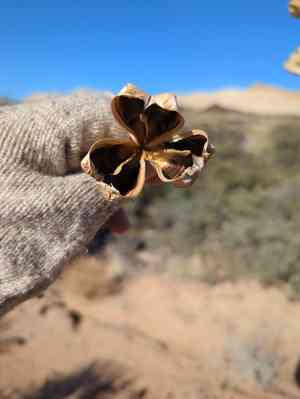
Utah yucca (Yucca utahensis)
Also known as: Utah yucca
The Utah yucca is a resilient plant native to the arid landscapes of the southwestern US. It features tough, pointed leaves arranged in a rosette, which help minimize water loss. The plant also produces tall flower stalks with creamy white, bell-shaped blooms that attract yucca moths for pollination. Its deep taproots are specially adapted to access water well below the surface, ensuring its survival in dry conditions.
In This Article
Attributes of Utah yucca
Lifespan
Perennial
Plant Type
Succulent, Shrub
Plant Height
1.5 to 2.5 meters
Spread
Up to 1 meter
Leaf Color
Blue-green
Flower Size
4 to 6 centimeters
Flower Color
Cream-colored
Images of Utah yucca
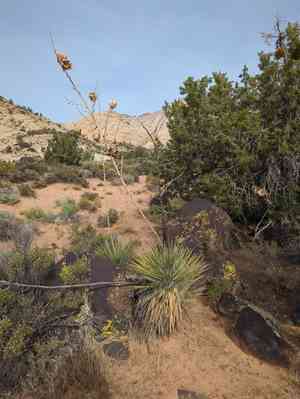
Quickly Identify Utah yucca
1
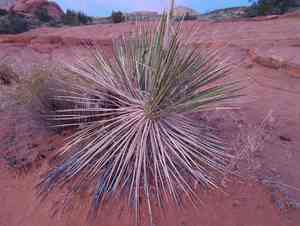
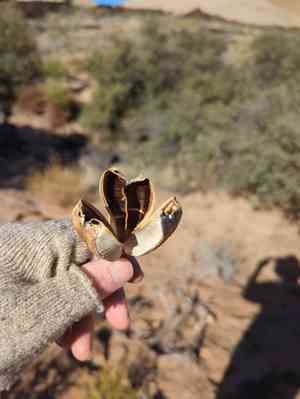
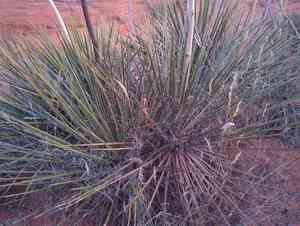
Yucca utahensis can be identified by its rosette of sharp, narrow, blue-green leaves and tall spires of cream-colored flowers. The leaves have fibrous margins and may end in a sharp point. It often forms a trunk and can grow as either a single stem or form clumps.
Scientific Classification of Utah yucca
Phylum
Vascular plants
Class
Monocotyledons
Order
Asparagales
Family
Asparagus
Genus
Yuccas
Species
Utah yucca
Planting and Growing of Utah yucca
Care Difficulty
Easy
Watering Schedule
Every 2 days
Sunlight Requirements
Full sun
Sunshine Duration
4-8 hours
Ideal Temperature
65-75℉
Soil Type
Potting Mix, Peat Mix
Soil pH
6.5-7.5
Fertilizer Type
Balanced
Pruning Season
Spring, Summer
Pruning Area
Branches, Leaves
Pruning Frequency
2 times a year
Repotting Season
Spring
Pot Type
Plastic, Terracotta
 How to Water Utah yucca?
Yucca utahensis prefers to be watered deeply but infrequently. The amount of water should be enough to thoroughly moisten the soil, approximately 250 milliliters. It simulates the desert conditions where rain is occasional but intense.
What are the symptoms of an underwatered Utah yucca?
›
What should I do if my Utah yucca is not getting enough water?
›
What are the symptoms of an overwatered Utah yucca?
›
How to save an overwatered Utah yucca?
›
 What Are the Sunlight Requirements for Utah yucca?
Ideal light for Yucca utahensis is full sun to partial sun. This range ensures the plant maintains healthy growth and vibrant coloring by using ample solar energy available to it in natural habitats.
What is the ideal sunlight position for Yucca utahensis?
›
How can I achieve these sunlight conditions for Yucca utahensis?
›
What benefits can Yucca utahensis gain from ideal sunlight?
›
 What Is the Ideal Temperature Range for Utah yucca?
Yucca utahensis thrives best within a temperate climate where the temperature ranges between 65°F and 75°F. This range ensures that the plant can perform photosynthesis optimally and maintain healthy growth. Placing the plant within this temperature window allows it to adapt well to indoor and outdoor conditions, providing a perfect balance between warmth and coolness during different parts of the day.
 What Soil is Best for Utah yucca?
Yucca utahensis thrives in well-drained soil, as it prevents water from stagnating around the roots. This is crucial for avoiding root rot and other moisture-related diseases. A quick-draining medium ensures the plant maintains optimal health and robust growth. This plant adapts well to nutrient-poor soils, reducing the need for frequent fertilization. Such environments help in the development of its natural growth patterns, making it easier for gardeners to maintain without extensive soil amendments. A gravelly soil mixture encourages proper airflow and drainage. This texture mimics the plant's native habitat and supports its thick, fibrous roots, contributing to the plant's stability and resilience in harsh conditions.
 How to Fertilize Utah yucca?
Yucca utahensis generally requires moderate fertilization. It's best to apply a balanced fertilizer at one tablespoon per gallon of water for liquid fertilizers. For slow-release, use only the recommended dosage as stated on the package, typically around two tablespoons per plant.
 How to Prune Utah yucca?
Begin by inspecting the plant for any dead or damaged leaves, which can be identified by their brown color or shriveled appearance. Use clean, sharp pruning shears to cut these leaves close to the base without damaging the main stem. If the plant is too dense, selectively prune to improve air circulation, which helps prevent fungal infections. To prevent the spread of diseases, always disinfect your pruning tools before and after use. You can use rubbing alcohol or a bleach solution to clean your tools effectively.
More About Pruning Techniques→
 How to Propagate Utah yucca plant?
1
Gather seeds from mature Yucca utahensis plants in late spring. Ensure seeds are fully matured and dry them properly before planting to increase germination success.
2
Cuttings should be taken from healthy, mature branches. Use sterile pruning shears to make a clean cut. Leave the cuttings to dry for several days to form a callous over the cut area.
3
Sow seeds in seed starting trays filled with a well-draining soil mix. Cover lightly with soil, water gently, and place them in a sunny spot to encourage germination.
 How to Repot Utah yucca plant?
1
Yucca utahensis should be repotted when you notice signs of overcrowding or root-bound conditions, such as roots emerging from the pot's drainage holes or a decline in plant vigor. Ideally, do this at the beginning of spring or during the autumn months when the plant is not under stress from extreme temperatures.
2
Select a pot that is one size larger than the current pot and has excellent drainage. A terracotta pot is ideal as it allows for better airflow and moisture evaporation, which helps prevent root rot and offers a stable base for the robust yucca structure.
3
Opt for a well-draining cactus or succulent mix to prevent water retention issues. This kind of soil emulates the plant's natural arid conditions, reducing the risk of root rot and ensuring the roots have proper aeration to grow healthily.
Toxicity
Ingestion
WARNING
The judgment on toxicity and danger is for reference only. We DO NOT GUARANTEE any accuracy of such judgment. Therefore, you SHALL NOT rely on such judgment. It is IMPORTANT TO SEEK PROFESSIONAL ADVICE in advance when necessary.
Learn More About Utah yucca Diseases
Anthracnose
Bacterial Leaf Spot
Bacterial Soft Rot
Chemical Injury
Crown Gall
Damping-off
Drought Stress
Fusarium Wilt
Gray Mold
Leaf Spot
Mosaic
Nutrient Deficiency
Nutrient Toxicity
Powdery Mildew
Root Rot
Root-knot Nematode
Rusts
Sooty Mold
Spider Mites
Temperature Stress
Thrips Damage
White Mold



