How to Transplant Utah yucca?
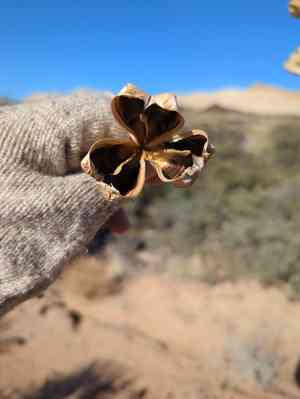
For Yucca utahensis, the ideal period for transplanting is from the mild temperatures of late spring into early summer, or during the refreshing chill of mid to late fall. Select a brightly lit location featuring soil that drains effectively to encourage vigorous development. Bear in mind, a delicate approach and limited disruption to the root system contribute to successful integration.
What Preparations are Needed Before Transplanting Utah Yucca?
What is the Ideal Time for Transplanting Utah Yucca?
Choose the mild conditions of mid-spring or the onset of autumn for relocating utah yucca. These periods facilitate root development without extreme temperatures. Adhere to this schedule to provide your utah yucca the optimal beginning, utilizing the moderate climate for robust root growth and adaptation.
How Much Space Should You Leave Between Utah Yucca Plants?
When preparing to plant your utah yucca, aim for a spacing of approximately 2-3 feet (60-90 cm) between them. This provides ample room for growth and development without resource competition!
What is the Best Soil Mix for Utah Yucca Transplanting?
For your utah yucca, you'll want to ensure the soil is well-draining. A mixture containing sand or gravel would be ideal. Prior to planting, incorporate a slow-release fertilizer to give your utah yucca an excellent start!
Where Should You Relocate Your Utah Yucca?
Your utah yucca thrives in sunlight, so select a location that receives abundant daylight â full sun is preferable. This will aid your utah yucca in growing strong and producing those beautiful blossoms!
What Equipments Should You Prepare Before Transplantation Utah Yucca?
Gardening Gloves
To safeguard your hands while handling soil and plants.
Spade or Shovel
For excavating the plant and preparing the new planting site.
Garden Fork
To loosen the soil surrounding the plant's root system.
Watering Can or Hose
To hydrate the plant before and after its relocation.
Pruning Shears
To trim any dead or damaged roots or foliage.
Wheelbarrow
To move the plant and soil.
Measuring Tape
To ensure correct spacing during planting.
Tarp
To hold soil and protect the plant during relocation.
How Do You Remove Utah Yucca from the Soil?
How Do You Remove Utah Yucca from the Soil?
From Ground: First, moisten the utah yucca plant to dampen the soil. Then, excavate a wide trench around the plant using a spade or shovel, ensuring the plant's root ball remains intact. Carefully work the spade beneath the root ball to lift the plant from its original spot.From Pot: Begin by watering the utah yucca to make the roots more flexible. Tilt the pot sideways and gently tap the bottom to dislodge the plant. Slowly ease the plant out, supporting the root ball to prevent damage.From Seedling Tray: Water the seedlings to prepare their roots for transfer. Use a spoon or small implement to lift each utah yucca seedling individually, taking care not to harm the roots and root ball.
Step-by-Step Guide for Transplanting Utah Yucca
Prepare the New Location
Dig a hole as deep as the root ball and twice its width. Amend the removed soil with compost if needed, but avoid excessive fertilization.
Root Ball Care
Inspect the utah yucca's root ball and use pruning shears to remove any dead or damaged roots, giving the plant the best chance to flourish.
Planting
Position the utah yucca in the center of the new hole at its original growing depth. Backfill the hole with the excavated soil, gently pressing down to eliminate air pockets.
Watering In
Thoroughly water the utah yucca after planting to settle the soil around the roots and help reduce transplant shock. This will also aid in establishing initial contact between the roots and the new soil.
Staking (If Necessary)
If the utah yucca is tall or top-heavy, it might require staking. Drive a stake into the ground and loosely tie the plant to it for support.
How Do You Care For Utah Yucca After Transplanting?
Immediate Watering
Water the utah yucca generously right after transplanting to help alleviate stress and settle the soil.
Stability Check
Ensure the utah yucca is firm in its new spot and straighten it if it's leaning.
Monitor Growth
Regularly observe the utah yucca's growth, looking for signs of new development as an indicator of successful transplanting.
Protect From Extremes
If severe weather conditions are anticipated soon after transplanting, consider providing temporary protection for the utah yucca.
Troubleshooting Common Issues with Utah Yucca Transplantation.
When is the best time to transplant utah yucca?
The optimal transplanting period is late spring through early summer or mid-autumn through late autumn, to allow for root establishment.
How far apart should I space my utah yucca plants?
Ideally, provide each utah yucca about 2-3 feet (60-90 cm) of space to thrive without competition.
What soil conditions favor utah yucca's successful transplanting?
Well-draining soil with adequate nutrients ensures your utah yucca gets a good start in its new location.
Should I water utah yucca immediately after transplanting?
Yes, water your utah yucca right after transplanting to help settle the soil around the roots.
How deep should I plant utah yucca's root ball?
The root ball should be planted at the same depth it was growing previously to avoid stem rot.
What signs indicate transplant shock in utah yucca?
Wilting, yellowing leaves, or slowed growth can signify shock; consistent care will help recovery.
How do I prepare utah yucca's root ball for transplanting?
Gently loosen the root ball to encourage roots to spread into the surrounding soil post-transplant.
Is it necessary to trim utah yucca before transplanting?
Pruning away damaged or excess growth can help utah yucca focus energy on root establishment.
How do I choose the right location for transplanting utah yucca?
Select a spot with full sun exposure and good airflow to match utah yucca's natural habitat conditions.
Can utah yucca be transplanted during hot weather?
It's best to avoid hot weather; transplant during cooler parts of the day if necessary.



