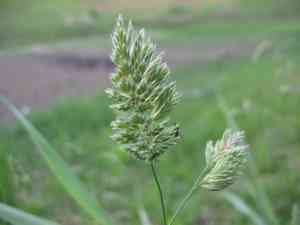
Bog yellow-eyed grass (Xyris difformis)
Also known as: Slender Yellow-eyed Grass, Bog Yellow-eyed Grass
Bog yellow-eyed grass (*Xyris difformis*) is native to the eastern United States and typically thrives in wetlands like bogs and along lake shores. It prefers acidic soils. This plant produces small yellow flowers, which usually bloom from summer through fall.
In This Article
Attributes of Bog yellow-eyed grass
Lifespan
Perennial
Plant Type
Herb
Plant Height
90 cm
Spread
N/A
Leaf Color
Green
Flower Size
6 mm
Flower Color
Yellow
Images of Bog yellow-eyed grass
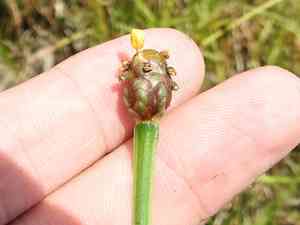
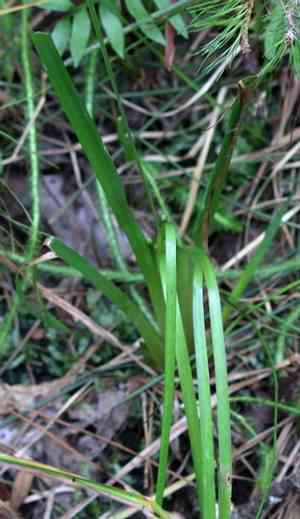
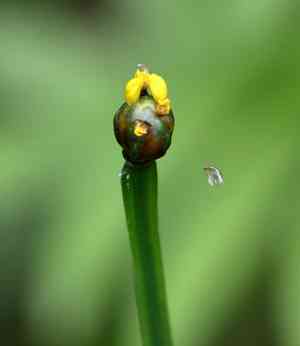
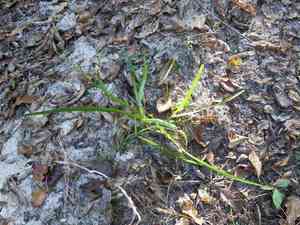
Quickly Identify Bog yellow-eyed grass
1
Identify Xyris difformis by its slender, grass-like leaves and stems, and small, bright yellow flowers. The plant has a unique inflorescence, where the flowers emerge from a small, brownish, cone-like structure.
Scientific Classification of Bog yellow-eyed grass
Phylum
Vascular plants
Class
Monocotyledons
Order
Poales
Family
Yellow-eyed grasses
Genus
Yelloweyed grasses
Species
Bog yellow-eyed grass
Planting and Growing of Bog yellow-eyed grass
Care Difficulty
Easy
Watering Schedule
Every 8 days
Sunlight Requirements
Full sun
Sunshine Duration
6-8 hours
Ideal Temperature
70-85℉
Soil Type
Potting Mix, Peat Mix
Soil pH
4.5-6
Fertilizer Type
Balanced
Pruning Season
Spring, Summer
Pruning Area
Branches, Leaves
Pruning Frequency
2 times a year
Repotting Season
Spring
Pot Type
Ceramic, Plastic
 How to Water Bog yellow-eyed grass?
Water Xyris difformis until the soil remains consistently moist but not waterlogged. This usually means pouring around 250ml per watering session, ensuring the substrate is well saturated without leaving standing water.
What are the symptoms of an underwatered Bog yellow-eyed grass?
›
What should I do if my Bog yellow-eyed grass is not getting enough water?
›
What are the symptoms of an overwatered Bog yellow-eyed grass?
›
How to save an overwatered Bog yellow-eyed grass?
›
 What Are the Sunlight Requirements for Bog yellow-eyed grass?
Xyris difformis ideally flourishes in environments with full to partial sunlight. Adequate light exposure bolsters its growth cycle and flowering, enhancing its overall aesthetic appeal and health.
Ideal Light Environment
›
Strategies for Ideal Lighting
›
Benefits of Ideal Lighting
›
 What Is the Ideal Temperature Range for Bog yellow-eyed grass?
For cultivating Xyris difformis, an ideal temperature range of 70 to 85°F is recommended. This range is optimal for its growth and ensures proper metabolic processes. It balances warmth required for photosynthesis while avoiding heat stress.
 What Soil is Best for Bog yellow-eyed grass?
Xyris difformis thrives best in nutrient-rich soil, filled with organic matter. This provides the necessary nutrients for optimal growth, ensuring the plant stays healthy and vibrant. The soil should be well-draining yet capable of retaining moisture. Proper moisture levels prevent the plant from drying out and promote steady growth, especially in dry spells. An acidic soil environment of pH 4.5 to 6.0 is ideal for Xyris difformis. Acidic conditions help in nutrient absorption and can prevent issues like nutrient lockout.
 How to Fertilize Bog yellow-eyed grass?
Xyris difformis enjoys a balanced nutrient diet, requiring moderate feeding. Use a liquid fertilizer at half the recommended strength. Apply approximately 5-10 milliliters per liter of water, depending on plant size and condition.
 How to Prune Bog yellow-eyed grass?
Begin by sterilizing your pruning shears with rubbing alcohol to prevent the spread of diseases. Gently inspect the plant and remove any brown or yellow leaves first. It's crucial to cut at an angle just above a leaf node to encourage new growth. Focus on tidying up the shape, ensuring the plant maintains a compact form. Regularly assess the center of the plant and thin out dense areas to allow for better air circulation. Always prune back to the nearest healthy bud or lateral branch without leaving stubs.
More About Pruning Techniques→
 How to Propagate Bog yellow-eyed grass plant?
1
Collect mature seeds from a healthy Xyris difformis plant. Clean them and let them dry for several days. Plant the seeds in a seed tray filled with moist, well-draining soil. Cover them lightly with soil and keep them in a warm, moderately lit area.
2
Choose a healthy Xyris difformis plant and carefully dig it up. Shake off the excess soil and use a sharp knife to divide the root clump into smaller sections. Each section should have a part of the root system and some above-ground green parts.
3
Once divided, plant each section in a pot with fresh, well-draining soil. Water them lightly and place them in an area with indirect sunlight. Monitor them regularly to ensure they establish successfully.
 How to Repot Bog yellow-eyed grass plant?
1
Xyris difformis needs repotting when it outgrows its current pot, indicated by roots coming out of the drainage holes or stunted growth. Repotting during its active growing seasons like spring or summer ensures it establishes itself quickly in the new pot.
2
Select a pot that is 1-2 inches larger in diameter than the current pot. The pot should have sufficient drainage holes to prevent waterlogging, which can lead to root rot. A slightly bigger pot allows room for growth without overwhelming the plant.
3
Opt for a well-draining sandy soil to mimic the natural environment of Xyris difformis. Such soil prevents water buildup, which could otherwise cause root rot, and helps provide adequate aeration to the roots, promoting healthier growth.
Learn More About Bog yellow-eyed grass Diseases
Anthracnose
Bacterial Leaf Spot
Bacterial Soft Rot
Bacterial Wilt
Chemical Injury
Damping-off
Downy Mildew
Drought Stress
Fusarium Wilt
Gray Mold
Leaf Spot
Mosaic
Nutrient Deficiency
Nutrient Toxicity
Powdery Mildew
Root Rot
Root-knot Nematode
Rusts
Sooty Mold
Spider Mites
Temperature Stress
Thrips Damage
White Mold



