The Bog yellow-eyed grass Plant Advantage: Maximizing Home and Office Appeal and Wellness
1
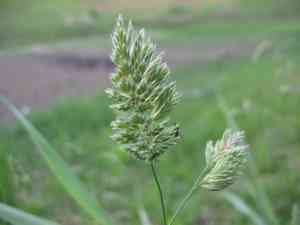
Bog yellow-eyed grass is recognized for its bright yellow blooms that illuminate marshy regions.
2
It serves a vital function in wetland environments by offering a home for diverse animal species.
3
This flora contributes to securing soil and averting erosion in its natural settings.
What are the Environmental Advantages of Bog yellow-eyed grass?
Habitat Provision
A key environmental advantage of Bog yellow-eyed grass is its capacity to establish and maintain living spaces for diverse wildlife. Its dense foliage and complex root systems offer excellent refuge and breeding sites for insects, amphibians, and birds. By providing a secure haven, Bog yellow-eyed grass plays a vital role in preserving wetland biodiversity.
Soil Stabilization
Another significant benefit of Bog yellow-eyed grass is its effectiveness in securing soil. Its robust root network helps anchor the soil, reducing erosion in wetland environments. This is especially advantageous in areas prone to soil instability, where Bog yellow-eyed grass acts as a natural barrier against the elements, thus maintaining the habitat's integrity.
How Does Bog yellow-eyed grass Improve Water Quality?
Filtration Capabilities
Bog yellow-eyed grass possesses an impressive ability to purify water by removing pollutants. The plant's root system can absorb excess nutrients and contaminants, making it an excellent natural filter. This not only benefits the plant itself but also contributes to the overall health of the aquatic ecosystem, ensuring cleaner water for all organisms that rely on it.
Algal Bloom Prevention
Algal blooms can be a significant problem in wetland areas, often caused by an abundance of nutrients like nitrogen and phosphorus in the water. Bog yellow-eyed grass helps alleviate this issue by absorbing these surplus nutrients, thereby decreasing the likelihood of algal blooms. This maintains a balanced ecosystem and helps protect aquatic life from the detrimental effects of these blooms.
What are the Cultural and Economic Applications of Bog yellow-eyed grass?
Aesthetic and Landscaping Use
The striking yellow blossoms of Bog yellow-eyed grass make it a popular choice for landscaping projects, particularly in wetland gardens and naturalized zones. Its vibrant appearance adds visual appeal, while its ecological benefits make it a sustainable option for gardeners aiming to create eco-friendly spaces. This dual appeal has made Bog yellow-eyed grass a valuable plant in both private and public landscaping endeavors.
Cultivation and Propagation Potential
Beyond its visual appeal, Bog yellow-eyed grass also holds promise for propagation and crop development. Its resilience and adaptability make it an ideal candidate for cultivation in various settings. Efforts to propagate Bog yellow-eyed grass can contribute to wetland restoration initiatives, safeguarding these vital ecosystems while also offering economic opportunities for local communities.
How Can Bog yellow-eyed grass Support Biodiversity?
Pollinator Support
The flowers of Bog yellow-eyed grass attract a variety of pollinators, including bees and butterflies. By providing a consistent source of nectar, the plant supports these crucial insects, which in turn contribute to the health and biodiversity of the ecosystem. This symbiotic relationship highlights the importance of Bog yellow-eyed grass in maintaining healthy and vibrant wetland environments.
Interdependence with Local Flora and Fauna
In addition to supporting pollinators, Bog yellow-eyed grass interacts with a range of local plant and animal life, creating a complex and interconnected ecosystem. The plant's presence can enhance the resilience of wetland ecosystems, as it fosters a network of relationships that protect the environment against various stressors. This interconnectedness underscores the broader ecological value of Bog yellow-eyed grass and its role in promoting sustainability.



