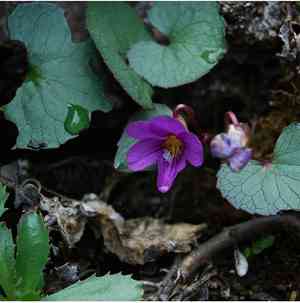
Olympic violet (Viola flettii)
Also known as: Flett's Violet
The Olympic violet, known for its delicate violet flowers with intricate vein patterns, thrives in cool, moist environments. This plant prefers the shady, well-drained soils of alpine and subalpine regions. With its compact heart-shaped leaves, it forms a low-growing carpet that does well in areas with dappled sunlight. Blooming in spring, its flowers attract pollinators before transitioning to small seed pods.
In This Article
Attributes of Olympic violet
Lifespan
Perennial
Plant Type
Herb
Plant Height
2.5 cm to 15 cm
Spread
10-20 cm
Leaf Color
Green
Flower Size
1-2 cm
Flower Color
Violet with white and dark purple streaks
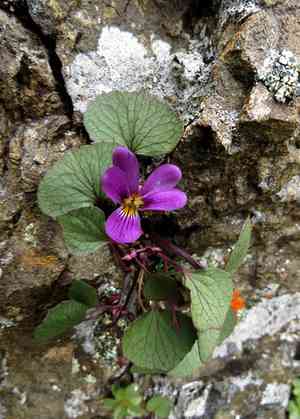
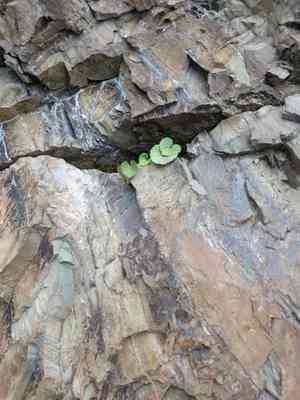
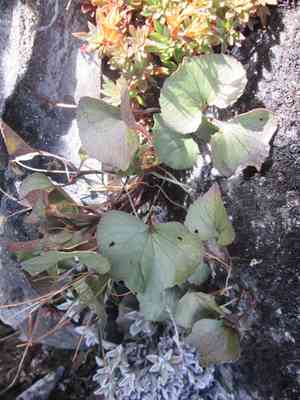
Images of Olympic violet
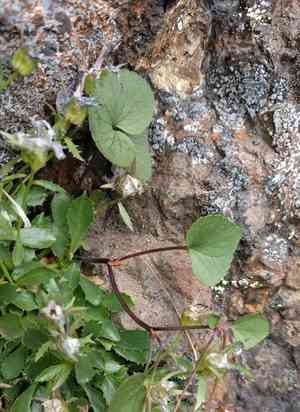
Quickly Identify Olympic violet
1
To identify Viola flettii, look for its distinct heart-shaped leaves and vibrant violet flowers. The flowers usually have a white center with darker purple streaks. The plant forms a low, dense mat and typically blooms in summer, around July.
Scientific Classification of Olympic violet
Phylum
Vascular plants
Class
Dicotyledons
Order
Malpighiales
Family
Violet
Genus
Violets
Species
Olympic violet
Planting and Growing of Olympic violet
Care Difficulty
Moderate
Watering Schedule
Every 2 days
Sunlight Requirements
Partial sun
Sunshine Duration
4-8 hours
Ideal Temperature
60-75℉
Soil Type
Potting Mix, Peat Mix
Soil pH
6.5-7.5
Fertilizer Type
Balanced
Pruning Season
Spring, Summer
Pruning Area
Branches, Leaves
Pruning Frequency
2 times a year
Repotting Season
Spring
Pot Type
Plastic, Ceramic
 How to Water Olympic violet?
Viola flettii prefers consistent humidity, but it's crucial to let the top two inches of soil dry out between waterings. This plant is adapted to alpine regions, so avoid saturating its roots. Water with approximately 250 ml, ensuring the soil is moist without being waterlogged.
What are the symptoms of an underwatered Olympic violet?
›
What should I do if my Olympic violet is not getting enough water?
›
What are the symptoms of an overwatered Olympic violet?
›
How to save an overwatered Olympic violet?
›
 What Are the Sunlight Requirements for Olympic violet?
Partial sun or full shade is optimal for healthy foliage and blooming. Ideal light conditions mimic its natural environment, fostering vibrant flowers and lush, healthy leaves.
Best Light Exposure
›
Shaded Environment Setup
›
Seasonal Light Adjustment
›
 What Is the Ideal Temperature Range for Olympic violet?
For optimal growth, Viola flettii should be maintained within a temperature range of 60°F to 75°F. This range ensures that the plant's metabolic processes function efficiently, promoting healthy growth and flowering. Ensuring stable temperatures within this range can prevent thermal stress and associated developmental issues.
 What Soil is Best for Olympic violet?
Viola flettii thrives in well-drained soils that prevent water from stagnating around the roots. This promotes healthy root development and prevents root rot. The plant prefers soil with a pH ranging from 6.5 to 7.5, which ensures optimal nutrient availability and absorption for vibrant growth and blooming. Soils rich in organic matter like compost enhance fertility, providing the necessary nutrients for the plant’s vigorous growth and boosting its resilience against pests and diseases.
 How to Fertilize Olympic violet?
Viola flettii generally thrives when provided with a balanced fertilizer. Use a water-soluble fertilizer that is diluted to half the recommended strength, typically about 1/4 teaspoon per gallon of water. Applying the right amount ensures vibrant blooms and healthy foliage, as excessive nutrients can actually be detrimental to the plant’s overall health.
 How to Prune Olympic violet?
Begin your pruning by removing any dead or diseased branches or leaves. This encourages healthy growth and prevents the spread of disease. Always cut back to healthy tissue, leaving no remnants of the compromised material. Once dead or diseased portions are removed, shape the plant to encourage a tidy appearance. Focus on maintaining a natural form that suits your garden's design while ensuring the plant has enough space for airflow and light penetration. To stimulate new growth, cut back spent flower stems and older foliage. This practice not only rejuvenates the plant but also encourages the development of new, vibrant blooms. Regular removal of old growth helps maintain the plant's vigor.
More About Pruning Techniques→
 How to Propagate Olympic violet plant?
1
Collecting seeds should be done when the seed pods are mature and beginning to dry but before they split open. This ensures the viability of the seeds for successful germination.
2
Select healthy, non-flowering stems. Cut below a node and remove any leaves from the lower half. This encourages root development when placed in water or soil.
3
Division is performed by carefully uprooting mature clumps and gently separating them into smaller sections. Each division should have roots and shoots for successful resettlement and growth.
 How to Repot Olympic violet plant?
1
Viola flettii needs repotting when its roots begin to outgrow their current container or appear crowded, usually observable through drainage holes. The best time to repot is during its growing season to minimize stress.
2
Select a pot that is one to two inches larger in diameter than the current one to provide adequate space for root growth. Choose a pot with proper drainage holes to prevent waterlogging, which could encourage root rot.
3
For Viola flettii, opt for a well-draining, rich soil mix containing organic matter to ensure proper moisture levels and nutrient availability, promoting healthier plant growth.
Learn More About Olympic violet Diseases
Anthracnose
Bacterial Leaf Spot
Bacterial Soft Rot
Bacterial Wilt
Black Spot
Chemical Injury
Crown Gall
Cyst Nematode
Damping-off
Downy Mildew
Drought Stress
Fusarium Wilt
Gray Mold
Leaf Curl
Leaf Spot
Mosaic
Nutrient Deficiency
Nutrient Toxicity
Powdery Mildew
Root Rot
Root-knot Nematode
Rusts
Sooty Mold
Spider Mites
Temperature Stress
Thrips Damage
White Mold



