How to Transplant Olympic violet?
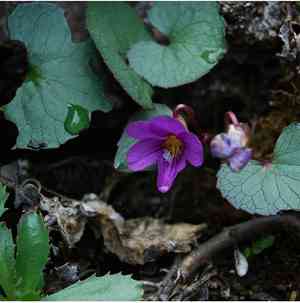
Olympic violet flourishes when relocated during the height of early to mid-spring, capitalizing on the moderate temperatures and lengthening daylight hours. Select a site offering partial shade to optimize its development. Verify that the fresh growing medium is adequately drained and rich in nutrients.
Necessary Preparations Before Relocating Olympic Violet?
Optimal Period for Transplanting Olympic Violet?
Olympic violet, a perennial, is best moved in early to mid-spring. This timing allows for workable soil and root establishment prior to hot summer conditions. Transplanting then maximizes growth potential and survival rates, leading to a more robust plant.
Required Spacing Between Olympic Violet Plants?
When relocating olympic violet, ensure each plant is positioned 6-9 inches (15-23 cm) apart. This provides ample room for development and prevents overcrowding. Correct spacing is crucial for vigorous growth and blooming.
Ideal Soil Blend for Olympic Violet Transplantation?
For olympic violet, prepare a soil that drains well and is rich in organic matter. Incorporating a compost base or a light application of balanced N-P-K fertilizer will supply vital nutrients. Aim for a soil pH of approximately 6.0-7.0 for peak growth.
Where to Replant Your Olympic Violet?
Olympic violet thrives in partial to full sunlight. Select a garden spot that receives 4-6 hours of daily sun exposure. Ensure it's not overly shaded, as insufficient light can impede flowering, but try to avoid intense afternoon sun.
Equipment Needed Before Transplanting Olympic Violet?
Gardening Gloves
To safeguard your hands while handling soil and plants.
Shovel
For excavating a trench and lifting the plant from the ground.
Trowel
Useful for detailed digging and soil preparation.
Pruning Shears
To trim any damaged or excessive roots.
Watering Can
For hydrating both the plant and its new planting site.
Wheelbarrow
To move the plant if necessary.
How to Extract Olympic Violet from the Soil?
How to Extract Olympic Violet from the Soil?
From Ground: First, moisten the olympic violet plant's soil. Then, use a shovel to dig a wide trench around the plant, ensuring the root ball remains intact. Carefully maneuver the shovel beneath the root ball to lift the plant from its original spot.From Pot: Gently water the olympic violet plant to facilitate its removal. Invert the pot while supporting the plant with your hand, and tap the bottom to loosen the root ball. Slowly slide the plant out, taking care to keep the root ball mostly intact.From Seedling Tray: Ensure seedlings are well-hydrated before removal to prevent root damage. Use a trowel to lift seedlings from the tray, being careful to support their roots and surrounding soil.
Step-by-Step Guide for Relocating Olympic Violet
Preparation
Ensure the new site is ready with appropriate soil. Dig a hole large enough to comfortably accommodate the plant's root ball.
Removal
Carefully extract the olympic violet from its initial location as described in the removal process.
Transplanting
Place the olympic violet into the newly dug hole. Ensure the top of the root ball is level with or slightly above the surrounding soil surface.
Backfilling
Fill the hole with soil, gently firming it down to eliminate air pockets around the roots, but avoid excessive compaction.
Watering
Thoroughly water the transplanted olympic violet to help settle the soil around its roots and minimize transplant shock.
Post-Transplant Care for Olympic Violet?
Watering
Maintain consistent moisture in the soil around the olympic violet, avoiding sogginess, for the initial weeks after transplanting to aid in strong root establishment.
Mulching
Apply a layer of mulch around the plant's base to help retain soil moisture and regulate temperature.
Monitoring
Regularly check for signs of stress like wilting or discoloration, ensuring the plant receives adequate water and attention.
Weeding
Keep the area surrounding the olympic violet free of weeds to reduce competition for nutrients and water.
Resolving Common Issues with Olympic Violet Transplantation.
When is the ideal time to transplant olympic violet?
The optimal period to transplant olympic violet is in early to mid-spring for best growth.
How much spacing does olympic violet need?
Olympic violet requires 6-9 inches (15-23 cm) of spacing for healthy development.
What should I do if olympic violet wilts after transplanting?
Ensure olympic violet is well-watered and shielded from direct sunlight to recover from transplant shock.
How deep should I plant olympic violet?
Plant olympic violet at the same depth it was previously growing.
What type of soil is best for olympic violet?
Select well-draining soil with a rich organic content for optimal olympic violet growth.
How do I prepare the new site for olympic violet?
Loosen the soil and incorporate compost to supply nutrients for olympic violet.
How can I minimize transplant shock for olympic violet?
Water olympic violet thoroughly before and after transplanting, and avoid excessive root disturbance.
Should I fertilize olympic violet after transplanting?
Wait a few weeks before fertilizing olympic violet to allow it to settle into the new soil.
What should I do if the leaves of olympic violet turn yellow?
Inspect for overwatering or poor drainage; adjust irrigation practices and ensure proper soil drainage.
How do I handle the roots of olympic violet during transplanting?
Handle the roots of olympic violet gently, keeping as much soil attached as possible.



