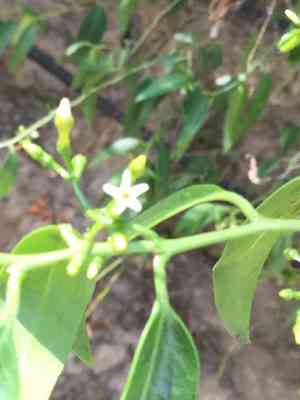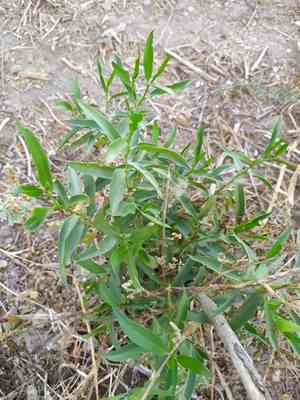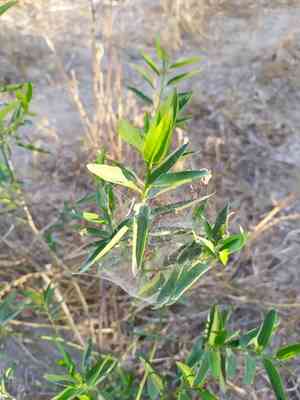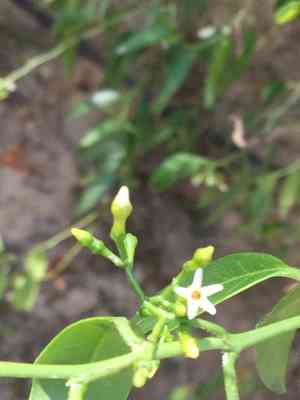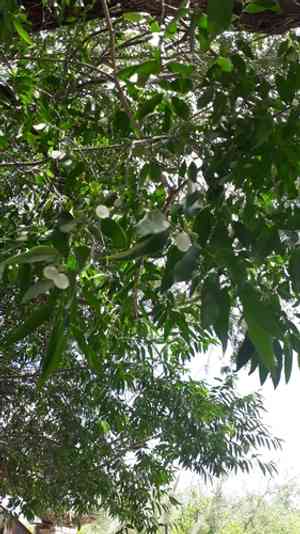
Tear shrub(Vallesia glabra)

Tear shrub (Vallesia glabra)

Also known as: Pearl Berry, Tear Shrub

The tear shrub, or Jatropha curcas, is highly valued for landscaping and traditional medicine due to its unique properties and historical significance.

**Characteristics:**
1. **Effective Barrier:** The plant forms a dense hedge with its multiple stems and evergreen foliage, making it excellent for creating natural screens or barriers.
2. **Adaptive Growth:** It adapts well to various soil types and environmental conditions, thriving in both arid and semi-arid regions.
3. **Minimal Upkeep:** Requires little maintenance, making it suitable for low-effort gardening and landscaping projects.
4. **Rapid Development:** Fast-growing nature allows it to quickly establish itself, providing greenery and coverage in a short time.
5. **Erosion Control:** Deep root system helps stabilize soil, reducing erosion and improving soil health.

**Historical Uses in Traditional Medicine:**
1. **Wound Treatment:** Indigenous South American communities used the leaves and sap to treat wounds and skin infections, leveraging its antiseptic properties.
2. **Pain Relief:** Employed as an anti-inflammatory agent to alleviate pain and reduce swelling in joints and muscles.
3. **Digestive Health:** Consumed for its benefits in treating digestive issues like constipation and stomach discomfort.
4. **Infection Control:** Utilized for its antimicrobial properties to combat various infections.

Overall, the tear shrub's resilience, low-maintenance needs, and medicinal properties have made it an invaluable plant for both practical landscaping and traditional medicinal uses, especially in indigenous South American cultures.

Attributes of Tear shrub

Lifespan
Perennial
Plant Type
Shrub
Plant Height
1 to 3 meters
Spread
1 to 2 meters
Leaf Color
Green
Flower Size
0.5 to 1 cm
Flower Color
White

ForwardPlant - Identify plants with a snap

Identify and diagnose plants, get toxicity alerts, and explore safety guides for all types of fungi.

Try for Free

Images of Tear shrub

Tear shrub(Vallesia glabra)

Quickly Identify Tear shrub

1
Vallesia glabra can be identified by its glossy, evergreen leaves, small white tubular flowers, and distinctive white to pinkish berries. The plant often forms a dense shrub with multiple branches.

Scientific Classification of Tear shrub

Phylum
Vascular plants
Class
Dicotyledons
Order
Gentianales
Family
Dogbane
Genus
Vallesia
Species
Tear shrub

Planting and Growing of Tear shrub

Care Difficulty
Easy
Watering Schedule
Every 4 days
Sunlight Requirements
Partial sun
Sunshine Duration
4-6 hours
Ideal Temperature
68-77℉
Soil Type
Potting Mix, Peat Mix
Soil pH
6.5-7.5
Fertilizer Type
Balanced
Pruning Season
Spring, Summer
Pruning Area
Branches, Leaves
Pruning Frequency
2 times a year
Repotting Season
Spring
Pot Type
Plastic, Ceramic

water icon How to Water Tear shrub?

Vallesia glabra has moderate water requirements, meaning that the soil should be kept consistently moist but not overly wet. It is important to water the plant until water drains from the bottom of the pot, ensuring that the root zone is well hydrated. This approach prevents the plant from drying out while avoiding waterlogging.
What are the symptoms of an underwatered Tear shrub?
What should I do if my Tear shrub is not getting enough water?
What are the symptoms of an overwatered Tear shrub?
How to save an overwatered Tear shrub?

sunlight icon What Are the Sunlight Requirements for Tear shrub?

Sunlight Requirements: Partial sun, Full sun
Duration of light: 4 to 6 hours
Vallesia glabra does well with partial to full sun exposure. Ideal lighting helps the plant to photosynthesize effectively, supporting robust growth and vibrant leaf coloration.
What type of sunlight is best for Vallesia glabra?
How to provide the ideal light conditions?
What benefits does ideal lighting offer to Vallesia glabra?

temperature icon What Is the Ideal Temperature Range for Tear shrub?

Ideal Temperature: 68 ~ 77℉
For optimal growth, Vallesia glabra thrives best in environments where temperatures are consistently within the range of 68°F to 77°F. These temperatures allow for efficient photosynthesis and metabolic processes, ensuring healthy growth and development.

soil icon What Soil is Best for Tear shrub?

Soil type: Loam, Sandy loam, Sandy soil
Soil PH: 6.5 ~ 7.5
Vallesia glabra thrives in well-drained soil that prevents waterlogging, which can lead to root rot. This type of soil ensures proper aeration and drainage, allowing for healthy root development and overall plant vigor. This plant prefers soil with a moderate level of nutrients. Such a balance ensures steady growth without the risk of nutrient deficiency or toxicity, promoting vibrant foliage and consistent flowering. While well-drained, the soil should still retain enough moisture to sustain the plant during dry periods. A soil with good moisture retention helps maintain steady plant health and reduces the need for frequent watering.

fertilize icon How to Fertilize Tear shrub?

Fertilizer type: Balanced
For Vallesia glabra, it's important to provide a moderate amount of fertilizer, typically using a diluted liquid fertilizer at half strength. When using slow-release granules, opt for about 20 grams per plant, ensuring not to overload the soil.

prune icon How to Prune Tear shrub?

Pruning Time: Spring, Summer
Begin by inspecting your Vallesia glabra carefully. Remove any dead, diseased, or damaged branches to prevent the spread of disease and encourage healthy new growth. Prune to maintain the desired shape of the plant. Make cuts just above a leaf node or bud to encourage the plant to branch out fuller. This helps enhance its natural form and robust appearance. If height reduction is necessary, spread it over a few sessions rather than doing it all at once. This gradual approach reduces shock to the plant and promotes sustained growth. More About Pruning Techniques

propagate icon How to Propagate Tear shrub plant?

Propagate Time: Spring,Early summer
1
Choose healthy, non-flowering stems approximately 5 to 6 inches long for cuttings. A clean cut just below a node is recommended to enhance root growth.
2
Prepare a well-draining mix of soil and perlite or vermiculite. This ensures proper aeration and moisture retention necessary for rooting success.
3
Insert the cuttings in prepared trays about 1-2 inches deep. Maintain consistent humidity and temperature, ideally in a greenhouse or under a plastic cover.

repot icon How to Repot Tear shrub plant?

Repotting frequency: Every 2-3 years
1
Vallesia glabra needs repotting when its roots outgrow the current container or when the soil seems depleted. You may notice roots peeking through the drainage holes or the plant becoming top-heavy. Repotting is essential to provide fresh soil and more space for root development, encouraging healthy growth.
2
Choose a pot that is about 2 inches larger in diameter than the current one to allow for growth. It should have adequate drainage holes to prevent waterlogging, which can lead to root rot. A terracotta pot is ideal as it is porous, allowing excess moisture to escape, which promotes a healthy root environment.
3
Opt for a well-drained potting mix enriched with organic matter. This helps maintain proper moisture levels and provides the necessary nutrients for Vallesia glabra to thrive. A loose, crumbly texture ensures that air circulates well around the roots, preventing compaction and promoting healthy growth.

ForwardPlant - Identify plants with a snap

Find the best spots for them to optimize their health, simply using your phone.

Try for Free

Toxicity

Ingestion, Skin contact

Identify toxic plants for your safety

Learn which plants are harmful to you and your pets, and make informed choices for a safer home!

Try for Free
WARNING
The judgment on toxicity and danger is for reference only. We DO NOT GUARANTEE any accuracy of such judgment. Therefore, you SHALL NOT rely on such judgment. It is IMPORTANT TO SEEK PROFESSIONAL ADVICE in advance when necessary.