How to Prune Tear shrub?
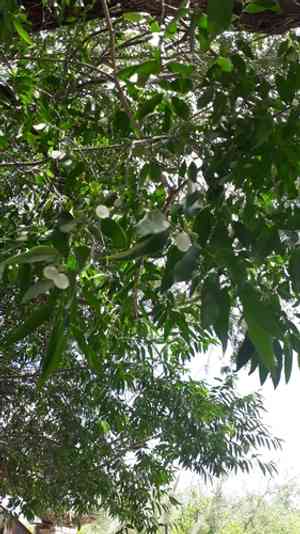
Perfect for dry climates and identifiable by its white blossoms and tiny, spherical berries, tear shrub flourishes with infrequent trimming. Perform pruning in the winter, concentrating on excising lifeless or ailing limbs to preserve the plant's vigor and structure. Limited pruning fosters organic development and reduces strain, resulting in advantages for hardiness and fruit yield. Employ sharp, sanitized implements for precise incisions to safeguard tear shrub from infestations and ailments.
Advantages of Trimming Tear Shrub
Advantages of Trimming Tear Shrub
Trimming tear shrub promotes robust development and helps maintain its desired form, resulting in a healthier, more visually appealing plant.
Optimal Time for Trimming Tear Shrub
Optimal Time for Trimming Tear Shrub
Trimming tear shrub in late winter or early spring is ideal as it precedes the start of the new growth cycle, enabling gardeners to shape the plant and encourage healthier, stronger development. This timing, after the coldest winter weather, minimizes the risk of frost damage to fresh cuts and supports rapid recovery. Furthermore, trimming before tear shrub enters its active growth phase helps avoid disrupting its blooming or fruiting periods, thus not hindering the plantâs ability to reproduce or generate ornamental value.
Tools Required for Trimming Tear Shrub
Hand Pruners
Perfect for making precise cuts on tear shrub's thinner stems and branches. Opt for bypass pruners, as they deliver clean cuts without crushing the plant's tissue.
Loppers
Suitable for cutting thicker branches of tear shrub that hand pruners cannot manage. The long handles provide leverage to cut through wood up to approximately 2 inches thick.
Pruning Saws
Recommended for the thickest branches of tear shrub when loppers are insufficient. A fine-toothed pruning saw can make cleaner cuts on the hardwood.
Garden Shears
Tear shrub can benefit from the use of garden shears when shaping the bush or removing excess foliage. Shears are excellent for quick trims and shaping.
How to Trim Tear Shrub
Sanitation
Before beginning, ensure all trimming tools are disinfected to prevent the spread of disease to tear shrub.
Removal
Carefully remove all withered leaves from tear shrub by hand or with pruning shears, ensuring a clean cut to avoid tearing the stems.
Dead branch cutting
Identify and trim dead branches by making cuts at a 45-degree angle, just above a bud or branch junction to promote healthy growth
Diseased branches
Isolate and prune away any diseased branches from tear shrub, cutting well into healthy tissue to ensure the complete removal of infected material.
Disposal
Dispose of all removed materialâwithered leaves, dead, and diseased branchesâfar from healthy plants to prevent potential spread of diseases.
Common Trimming Errors with Tear Shrub
Over-trimming
Removing too much foliage or too many branches can stress tear shrub, leading to poor growth and reduced flowering.
Incorrect cut placement
Making cuts too close to the main stem can cause damage, while leaving too large a stub can lead to disease and pest problems.
Using dull tools
Dull trimming tools can create jagged cuts that make tear shrub more susceptible to pests and diseases.
Neglecting to trim
Failing to trim at all can result in tear shrub becoming overgrown and potentially less vigorous.
Trimming all growth types
Indiscriminately cutting back all types of growth without understanding which parts of tear shrub to trim can lead to loss of flowering potential or damage to the plant structure.
General Trimming Advice for Tear Shrub
Sanitization
Always use clean, sharp tools to make cuts. This prevents the spread of disease and ensures clean cuts that heal quickly.
Selective trimming
Identify and remove only dead, diseased, or damaged branches to promote the health and appearance of tear shrub.
Cut angle
Make angled cuts just above outward-facing buds or branches to direct new growth outward and improve air circulation.
Focus on shape
Trim tear shrub to maintain its natural shape. Avoid over-shaping or excessive top trimming, which can hinder natural growth patterns.
Thin interior
Thin out some of the interior branches to improve light penetration and air circulation, which can enhance flowering and reduce disease risk.



