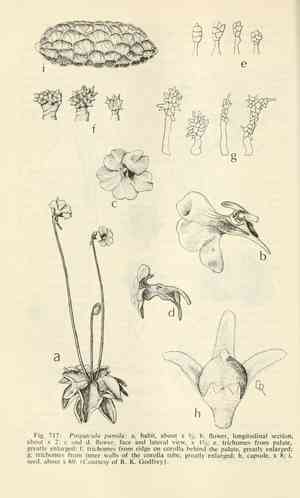
Small butterwort (Pinguicula pumila)
Also known as: Small Butterwort
The small butterwort (Pinguicula pumila) is a carnivorous plant that thrives in nutrient-poor soils. Its leaves are coated with glandular hairs that release a sticky substance, effectively trapping insects. The plant then digests these insects to gain essential nutrients. Additionally, it can bloom year-round, producing delicate purple flowers in warm conditions.
In This Article
Attributes of Small butterwort
Lifespan
Perennial
Plant Type
Herb
Plant Height
0 mm to 30 cm
Spread
2-6 inches
Leaf Color
Light green, sometimes with a reddish tinge
Flower Size
0.5-1 inch
Flower Color
Light purple or white
Images of Small butterwort
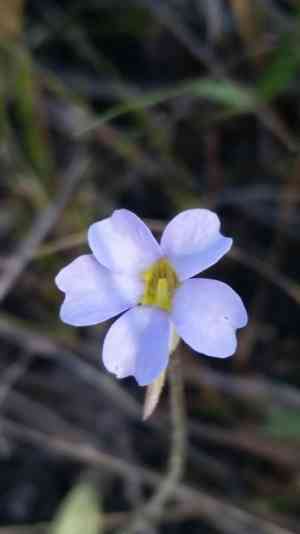
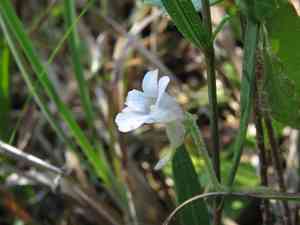
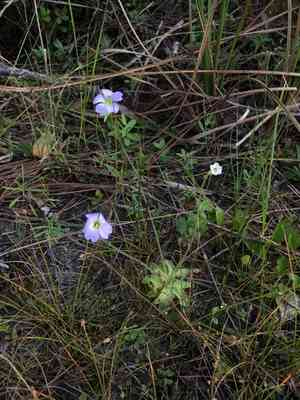
Quickly Identify Small butterwort
1
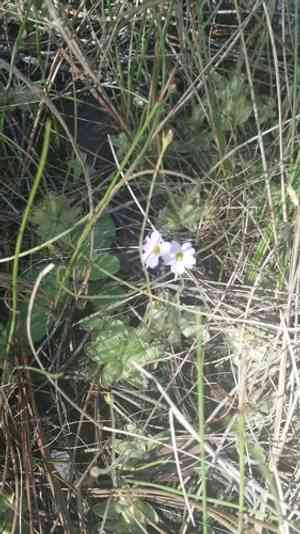
Look for a small rosette plant with greasy or sticky leaves that glisten in sunlight. The leaves are typically light green and can sometimes have a reddish tinge. The flowers are usually light purple or white with a spur at the back.
Scientific Classification of Small butterwort
Phylum
Vascular plants
Class
Dicotyledons
Order
Lamiales
Family
Bladderworts
Genus
Butterworts
Species
Small butterwort
Planting and Growing of Small butterwort
Care Difficulty
Moderate
Watering Schedule
Every 2 days
Sunlight Requirements
Partial sun
Sunshine Duration
6-12 hours
Ideal Temperature
60-75℉
Soil Type
Potting Mix, Peat Mix
Soil pH
5.5-7
Fertilizer Type
Balanced
Pruning Season
Spring, Summer
Pruning Area
Branches, Leaves
Pruning Frequency
2 times a year
Repotting Season
Spring
Pot Type
Plastic, Ceramic
 How to Water Small butterwort?
For Pinguicula pumila, the watering amount should ensure that the soil is damp but never waterlogged. This tiny carnivorous plant prefers a moist environment similar to its natural habitat. Water until you see moisture seeping out of the bottom of the pot to make sure the roots have adequate moisture.
What are the symptoms of an underwatered Small butterwort?
›
What should I do if my Small butterwort is not getting enough water?
›
What are the symptoms of an overwatered Small butterwort?
›
How to save an overwatered Small butterwort?
›
 What Are the Sunlight Requirements for Small butterwort?
Pinguicula pumila prefers partial sun to bright, indirect light, ideally 4-6 hours daily. This balance supports healthy growth and flowering without sunburn risk.
What lighting conditions are ideal for Pinguicula pumila?
›
How can I achieve ideal lighting for Pinguicula pumila?
›
What benefits does ideal lighting offer Pinguicula pumila?
›
 What Is the Ideal Temperature Range for Small butterwort?
The ideal temperature range for Pinguicula pumila is generally between 60°F and 75°F. This range allows for optimal growth and flowering, ensuring that the plant's metabolic processes function efficiently. Stable temperatures within this range mimic the plant's natural habitat conditions, promoting healthy development.
 What Soil is Best for Small butterwort?
Pinguicula pumila prefers a water-retentive soil structure that allows its roots to stay moist without becoming waterlogged. This feature supports its growth, as the soil holds enough moisture to maintain hydration but drains excess water, preventing root rot. This plant thrives in nutrient-poor soil, which replicates its natural habitat conditions. Minimal nutrient content prevents overstimulation of growth and helps in maintaining the balance necessary for the plant's survival and carnivorous capabilities. Pinguicula pumila requires a soil pH ranging from mildly acidic to neutral. This pH level allows optimal nutrient absorption without the risks of toxicity or deficiency, ensuring healthy foliage and flowering.
 How to Fertilize Small butterwort?
Pinguicula pumila prefers very light fertilization. Use a highly diluted liquid fertilizer with an NPK ratio close to 20-10-20. Apply only 1/4 of the recommended dose on the label to avoid nutrient overload.
 How to Prune Small butterwort?
Begin by inspecting the plant carefully to identify any dead or decaying leaves. Use clean, sharp scissors or pruning shears to gently cut these leaves away at the base, being careful not to damage the healthy parts of the plant. Trim back any leaves that appear discolored or shriveled, maintaining the natural symmetry of the plant. Always cut at an angle to help shed water and avoid rot. Finish by disposing of the cuttings properly.
More About Pruning Techniques→
 How to Propagate Small butterwort plant?
1
Begin by collecting or purchasing seeds from a reputable source. Before planting, ensure the seeds are fresh and have been cleaned to prevent any fungal growth during germination.
2
Fill the seed starter tray with a well-drained potting mix. Moisten the mix and evenly spread the seeds on the surface. Press them down gently and cover them lightly with vermiculite to retain moisture.
3
Place the tray under a grow light or near a window with indirect sunlight. Keep the humidity dome on and maintain a temperature of around 70°F. Water lightly using a spray bottle to keep the substrate moist.
 How to Repot Small butterwort plant?
1
Pinguicula pumila should be repotted when the soil starts looking compact, the pot becomes too small, or you notice a decline in plant health. Spring is the optimal time as it aligns with the plant's active growing season, giving it the best chance to settle in its new environment.
2
Select a pot with good drainage, ideally clay or terracotta, which allows for air circulation and prevents waterlogging. This helps replicate the plant's natural habitat and keeps its roots healthy. A slightly larger pot than the current one is advisable to accommodate growth without overwhelming the plant.
3
Opt for a peat-based, well-draining mix that mimics its natural environment. This type of soil retains some moisture while allowing excess water to escape, preventing root rot. Such a composition ensures that nutrients are readily available to the plant while maintaining proper soil aeration.



