How to Prune Small butterwort?
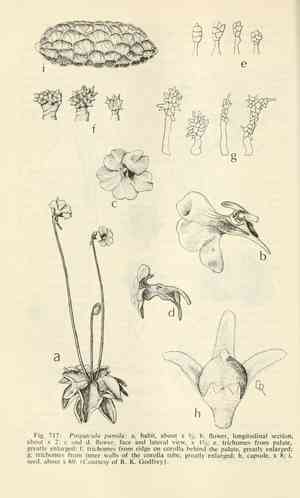
The diminutive butterwort, recognized for its predatory characteristics and adhesive leaf arrangement, thrives with infrequent trimming. The most suitable times for pruning are in the early spring and late winter. Gently detach any withered or compromised foliage to stimulate fresh development. Consistent removal of detritus helps avert fungal growth and illnesses. Trimming improves air movement and light exposure, fostering more robust specimens. Always employ disinfected implements to avoid contamination, guaranteeing a flourishing small butterwort.
Advantages of Trimming Small Butterwort?
Advantages of Trimming Small Butterwort?
Trimming small butterwort encourages robust development and maintains its compact form, enhancing its overall visual appeal. Pruning aids by eliminating old, dead, or infected foliage, thereby deterring pests and illnesses, and allowing healthier sections to flourish.
Optimal Period for Pruning Small Butterwort?
Optimal Period for Pruning Small Butterwort?
Pruning small butterwort in late winter or early spring is ideal as this coincides with its dormant phase. During dormancy, the plant's energy demands are lower, minimizing stress and enabling effective healing before the active growth season. Pruning prior to new growth emerging ensures energy is directed towards healthy new shoots and blooms. This timing also helps avoid interrupting the flowering cycle, promoting a strong bloom.
Necessary Tools for Pruning Small Butterwort?
Fine-tip Pruning Shears
These shears are perfect for making precise cuts without harming the delicate leaves of small butterwort.
Small Scissors
Their compact size makes them excellent for trimming off dead or damaged leaves close to the plant's base, allowing greater control over cuts.
Tweezers
Useful for removing tiny debris or dead leaves without injuring surrounding healthy tissue, especially in confined areas around small butterwort.
Sterilizing Solution
Crucial for disinfecting tools before and after use to prevent disease transmission, which small butterwort are particularly vulnerable to.
How to Prune Small Butterwort
Inspection
Carefully examine small butterwort for any indications of diseased or withered leaves. Use a magnifying glass if needed to spot small pests or fungi.
Cleaning Tools
Before pruning, thoroughly clean and sanitize your pruning implements to prevent disease spread. Use a solution of one part bleach to nine parts water.
Trimming Diseased Leaves
Using sterilized scissors or shears, gently cut away any diseased leaves at their base. Ensure all affected parts are removed to prevent further spread.
Trimming Withered Leaves
Next, trim off withered leaves at their base, being careful not to damage healthy parts of small butterwort. Ensure a clean cut to promote proper healing.
Disposal
Safely discard all removed leaves by sealing them in a plastic bag and placing them in the trash. Do not compost diseased leaves to avoid contaminating your garden.
Common Pruning Errors with Small Butterwort
Over-pruning
Excessive pruning can weaken small butterwort and disrupt its growth pattern, as this species relies on its leaves for photosynthesis and nutrient capture.
Incorrect timing
Although the specific timing for pruning is not to be mentioned, pruning at inappropriate times relative to the plant's growth cycle can stunt growth and reduce flowering.
Using blunt tools
Dull tools can cause jagged cuts, making the plant susceptible to infections and diseases. Always use sharp, sterilized tools for clean cuts.
General Pruning Advice for Small Butterwort
Minimal pruning
Only remove dead or dying leaves to maintain the plant's health and appearance. Small butterwort does not require extensive pruning.
Hygiene practices
Always sterilize your tools before and after pruning to prevent the spread of pathogens.
Careful handling
Handle the plant gently during pruning to avoid damaging its delicate structure. Small butterwort's leaves are sensitive and can be easily bruised.



