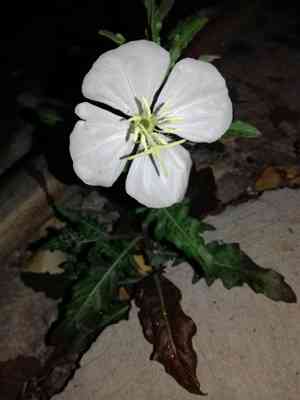
Fourwing evening primrose (Oenothera tetraptera)
Also known as: Four-petaled Evening Primrose
During the flowering season, which typically spans summer to fall, some flowers start the evening with white petals. By the next morning, these petals can transform to a light pink hue.
In This Article
Attributes of Fourwing evening primrose
Lifespan
Annual
Plant Type
Herb
Plant Height
1 m
Spread
50 cm
Leaf Color
Green
Flower Size
2-4 cm
Flower Color
White Yellow Pink
Images of Fourwing evening primrose
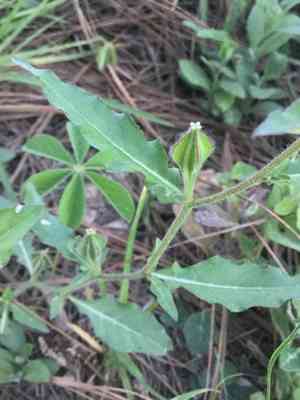
Quickly Identify Fourwing evening primrose
1
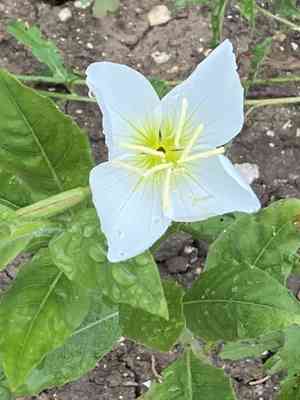
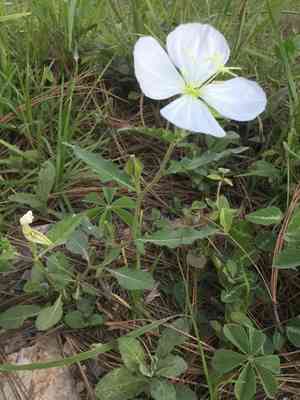
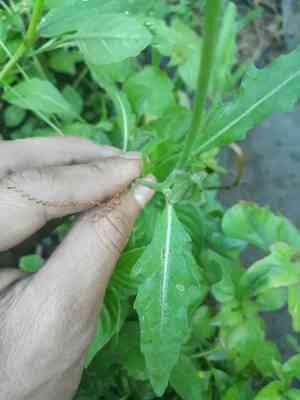
Identification of Oenothera tetraptera can be simplified by observing its four-petaled flowers which typically bloom in the evening and have white or light yellow hues. The plant usually has a rosette of leaves at the base, with elongated stems that bear the flowers.
Scientific Classification of Fourwing evening primrose
Phylum
Vascular plants
Class
Dicotyledons
Order
Myrtales
Family
Evening primrose
Genus
Evening Primrose
Species
Fourwing evening primrose
Planting and Growing of Fourwing evening primrose
Care Difficulty
Easy
Watering Schedule
Every 4 days
Sunlight Requirements
Full sun
Sunshine Duration
6-10 hours
Ideal Temperature
68-77℉
Soil Type
Potting Mix, Peat Mix
Soil pH
6.5-7.5
Fertilizer Type
Balanced
Pruning Season
Spring, Summer
Pruning Area
Branches, Leaves
Pruning Frequency
2 times a year
Repotting Season
Spring
Pot Type
Plastic, Ceramic
 How to Water Fourwing evening primrose?
Oenothera tetraptera thrives when watered moderately. Aim for about 250 ml per watering. The soil should be kept evenly moist but not soggy, allowing the top inch to dry out slightly between waterings.
What are the symptoms of an underwatered Fourwing evening primrose?
›
What should I do if my Fourwing evening primrose is not getting enough water?
›
What are the symptoms of an overwatered Fourwing evening primrose?
›
How to save an overwatered Fourwing evening primrose?
›
 What Are the Sunlight Requirements for Fourwing evening primrose?
Oenothera tetraptera thrives in full to partial sun conditions, empowering robust growth and vivid blooms by maximizing available sunlight.
More About Sunlight Requirements Techniques→
What is the best lighting condition for Oenothera tetraptera?
›
Solutions for ideal lighting for Oenothera tetraptera?
›
Benefits of ideal light for Oenothera tetraptera?
›
 What Is the Ideal Temperature Range for Fourwing evening primrose?
Oenothera tetraptera thrives best at temperatures between 68°F and 77°F. This range allows for optimal photosynthesis and metabolism, ensuring healthy growth and vibrant blooms.
 What Soil is Best for Fourwing evening primrose?
Oenothera tetraptera thrives best in well-drained soils to prevent waterlogging. Good drainage ensures oxygen reaches the roots, promoting robust plant growth and longevity. While moderately adaptable, this plant benefits from soils with nutrient content. Adequate nutrients help support vibrant flower blooms and improve resilience against pests and diseases. The soil should retain enough moisture without becoming too heavy or soggy. This balance helps to maintain a consistent supply of water, vital for the plant's cellular processes and overall health.
 How to Fertilize Fourwing evening primrose?
Oenothera tetraptera is a relatively low-maintenance plant with modest fertilization needs. When applying liquid fertilizer, use a diluted solution at one-quarter the recommended strength to prevent overfeeding. For slow-release fertilizers, apply 100-150 grams per square meter to ensure a steady nutrient supply without overwhelming the plant.
 How to Prune Fourwing evening primrose?
Start by identifying any dead or diseased stems. Cut these back to the base to promote healthier growth. Dead stems are often brittle and brown, while diseased ones might have discolored leaves or unusual spots. Removing them helps prevent the spread of diseases within the plant. After removing undesirable growth, focus on shaping your Oenothera tetraptera. Aim for a balanced appearance, removing any wayward stems that disrupt the symmetry of the plant. Cut back to a leaf node, which will encourage new growth, making sure the plant maintains its distinctive form.
More About Pruning Techniques→
 How to Propagate Fourwing evening primrose plant?
1
Collect fresh seeds from a mature Oenothera tetraptera plant. Clean and dry them properly before use. This step ensures that the seeds are viable for germination, free from mold or decay.
2
Fill the seed tray with the growing medium and lightly press the seeds into the surface. Do not cover them too deeply. This promotes better contact with the growing medium and allows light exposure, which facilitates germination.
3
Water the seeds gently using a spray bottle or a fine nozzle watering can. Ensure the growing medium is moist but not waterlogged. Regularly check moisture levels to maintain the right conditions.
 How to Repot Fourwing evening primrose plant?
1
Oenothera tetraptera signals its need for repotting when roots start showing through the drainage holes or when the plant appears stunted and hasn't shown much growth recently. The best time to repot is in spring, just before the plant embarks on its active growing phase. This timing minimizes stress and allows the plant to recover quickly, taking full advantage of the upcoming growing season.
2
Select a pot that is just one size larger than the current one, ensuring it has drainage holes to prevent waterlogging. A slightly bigger pot promotes healthy growth by giving the roots more space while preventing the excess moisture that can lead to root rot. Avoid going too big, as this can retain too much water and also lead to stability issues, making the plant top-heavy.
3
Use a well-draining potting mix, ideally mixed with some sand or perlite to enhance drainage. Oenothera tetraptera thrives in soil that neither retains too much moisture nor dries out too quickly. This kind of soil provides good aeration for the roots, ensuring they receive sufficient oxygen for healthy growth while avoiding the risk of root rot.
Learn More About Fourwing evening primrose Diseases
Anthracnose
Bacterial Leaf Spot
Bacterial Soft Rot
Bacterial Wilt
Black Spot
Chemical Injury
Crown Gall
Damping-off
Downy Mildew
Drought Stress
Fusarium Wilt
Gray Mold
Leaf Curl
Leaf Spot
Mosaic
Nutrient Deficiency
Nutrient Toxicity
Powdery Mildew
Root Rot
Root-knot Nematode
Rusts
Sooty Mold
Spider Mites
Temperature Stress
Thrips Damage
White Mold



