How to Prune Fourwing evening primrose?
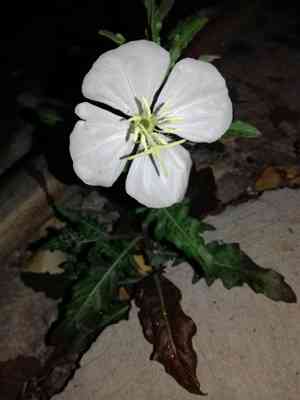
This herbaceous perennial is recognized for its unique winged seed capsules and bright yellow blossoms. Essential trimming methods for fourwing evening primrose include consistently removing faded flowers to foster extended blooming and reducing foliage post-flowering to preserve a neat look. The best time for pruning is in late spring or summer, following the initial bloom cycle, to stimulate a subsequent bloom, and in autumn for overall plant well-being. Important points involve utilizing sanitized, sharp implements to avert illness, with pruning advantages encompassing improved vitality and prolonged flowering.
What Are the Benefits of Pruning Fourwing Evening Primrose?
What Are the Benefits of Pruning Fourwing Evening Primrose?
Trimming fourwing evening primrose promotes robust development and helps maintain its desired form. It enhances overall plant vitality, leading to more abundant blossoms. Strategic cuts can deter pests and prevent disease transmission, ensuring a strong specimen.
What Is the Best Time for Pruning Fourwing Evening Primrose?
What Is the Best Time for Pruning Fourwing Evening Primrose?
Pruning fourwing evening primrose in spring is essential for stimulating growth and fostering a healthy structure before its active growth phase. In early summer, trimming is ideal for removing spent blooms from its initial flowering period, which can encourage a second bloom and prevent the plant from expending energy on seed production. Autumn provides another suitable pruning window to prepare fourwing evening primrose for winter by eliminating dead or diseased growth, boosting the plant's overall health and resilience against cold. Pruning during these seasons aligns with fourwing evening primrose's life cycle and natural rhythm, sustaining its vigor and blooming capabilities while removing unproductive growth.
What Tools Do I Need to Prune Fourwing Evening Primrose?
Hand Pruners
Perfect for making clean cuts on fourwing evening primrose's stems and faded flowers. Choose bypass pruners for accurate cuts that encourage healthy regrowth.
Pruning Shears
Useful for shaping fourwing evening primrose by clipping off unwanted branches and excess growth with minimal harm to plant tissues.
Gardening Gloves
Crucial for protecting hands from thorns and sap while handling fourwing evening primrose, ensuring a safe pruning experience.
Pruning Saw
Recommended for cutting through thicker branches of fourwing evening primrose that hand pruners cannot manage, to maintain plant health and encourage new growth.
How to Prune Fourwing Evening Primrose
Clean Tools
Disinfect pruning shears with alcohol to prevent disease spread before beginning to prune fourwing evening primrose.
Remove Withered Leaves
Carefully snip off all dried leaves from fourwing evening primrose at their base, without damaging healthy tissues.
Check Health
Inspect fourwing evening primrose for signs of illness or damage and remove any affected parts to maintain plant health.
Prune For Shape
Lightly trim back any overgrown areas to maintain the desired shape of fourwing evening primrose, being careful not to remove more than one-third of the plant.
Dispose Trimmed Parts
Discard all removed materials away from fourwing evening primrose to prevent pests or diseases from being drawn to the plant.
Common Pruning Mistakes with Fourwing Evening Primrose
Over Pruning
Removing too much growth at once can stress fourwing evening primrose, hindering its health and blooming potential. It's crucial to prune sparingly, ensuring only the necessary parts of the plant are trimmed.
Using Dull Tools
Dull or dirty pruning tools can damage fourwing evening primrose's stems, leading to ragged cuts that are more susceptible to disease. Always use sharp, clean shears for a precise cut.
Removing Healthy Growth
Unnecessarily cutting away healthy growth can impede fourwing evening primrose's vigor. Focus on removing only dead or diseased wood and spent flowers to promote better plant health.
Pruning At Random
Random, unstrategic cuts can result in a misshapen fourwing evening primrose. Pruning should be done with a purpose, respecting the plant's natural growth habit for optimal results.
Ignoring Damaged Limbs
Failing to promptly remove damaged or diseased limbs can expose fourwing evening primrose to infection or pest infestation. Regular monitoring and timely pruning are imperative for maintaining plant health.
Common Pruning Tips for Fourwing Evening Primrose
Selective Pruning
Carefully choose which branches and stems to cut back, focusing on thinning out areas to improve air circulation and light penetration, which is vital for fourwing evening primrose's health and growth.
Deadheading
Regularly remove spent flowers to encourage fourwing evening primrose to produce new blooms and prevent it from wasting energy on seed production.
Seasonal Clean-Up
Perform a thorough cleanup of dead or diseased branches as they appear to invigorate fourwing evening primrose throughout its active growing period.
Cut Angle
Make cuts at a 45-degree angle just above outward-facing buds or branches to promote outward growth and prevent water accumulation on the cut surfaces, which can lead to rot.
Sterilizing Tools
Prior to pruning and between cuts on different plants, sterilize tools with alcohol or a bleach solution to prevent the spread of diseases in fourwing evening primrose.



