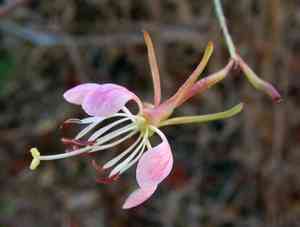
Wavy-leaved gaura (Oenothera sinuosa)
Also known as: Evening Primrose, Sundrops
The wavy-leaved gaura (Oenothera sinuosa) boasts specialized features that aid its survival in diverse and competitive environments. Its characteristic wavy-edged leaves help minimize water loss, while its tall, slender stems support evening-blooming yellow flowers. This hardy perennial is well-suited to well-drained soils, commonly found in open fields and along roadsides. Key adaptive traits include its deep root system for drought resistance, rapid growth for competitive advantage, and prolific seed production, ensuring resilience and widespread dispersal.
In This Article
Attributes of Wavy-leaved gaura
Lifespan
Biennial
Plant Type
Herb
Plant Height
30-60 cm
Spread
20-40 cm
Leaf Color
Green
Flower Size
2-3 cm
Flower Color
Yellow
Images of Wavy-leaved gaura
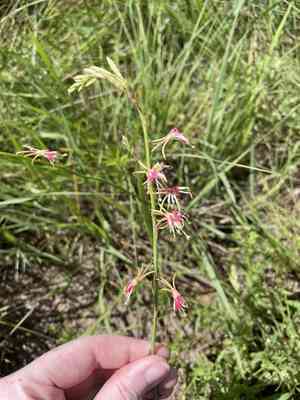
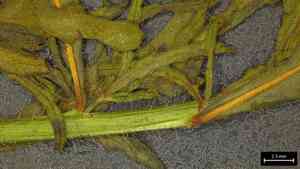
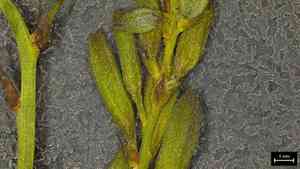
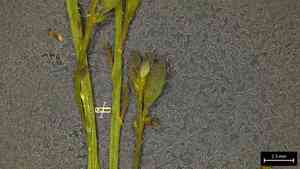
Quickly Identify Wavy-leaved gaura
1
To identify Oenothera sinuosa, look for its small, yellow flowers that bloom in the evening and close by midday. The leaves are typically narrow with wavy or sinuous edges.
Scientific Classification of Wavy-leaved gaura
Phylum
Vascular plants
Class
Dicotyledons
Order
Myrtales
Family
Evening primrose
Genus
Evening Primrose
Species
Wavy-leaved gaura
Planting and Growing of Wavy-leaved gaura
Care Difficulty
Easy
Watering Schedule
Every 3 days
Sunlight Requirements
Full sun
Sunshine Duration
4-8 hours
Ideal Temperature
65-75℉
Soil Type
Potting Mix, Peat Mix
Soil pH
6.5-7.5
Fertilizer Type
Balanced
Pruning Season
Spring, Summer
Pruning Area
Branches, Leaves
Pruning Frequency
2 times a year
Repotting Season
Spring
Pot Type
Plastic, Terracotta
 How to Water Wavy-leaved gaura?
For Oenothera sinuosa, ensure watering is deep but infrequent. Aim to wet the entire root system, which typically means using around 250 milliliters per watering session. Soil should feel damp but not waterlogged to the touch.
What are the symptoms of an underwatered Wavy-leaved gaura?
›
What should I do if my Wavy-leaved gaura is not getting enough water?
›
What are the symptoms of an overwatered Wavy-leaved gaura?
›
How to save an overwatered Wavy-leaved gaura?
›
 What Are the Sunlight Requirements for Wavy-leaved gaura?
Oenothera sinuosa ideally requires full to partial sun conditions. Proper light encourages strong blooming cycles and healthy foliage, maximizing its ornamental appeal and environmental adaptability.
Optimal Sun Exposure
›
Adjusting to Partial Sun
›
Maximizing Photosynthesis
›
 What Is the Ideal Temperature Range for Wavy-leaved gaura?
The ideal temperature range for Oenothera sinuosa is 65-75°F. This range supports optimal metabolic activities, enhancing growth and flowering. Temperatures in this range mimic conditions in its native habitat, promoting vigorous development and resilience against diseases.
 What Soil is Best for Wavy-leaved gaura?
Oenothera sinuosa thrives in well-drained soil, preventing root rot and other diseases. This type of soil ensures roots remain stable, absorbing essential nutrients effectively, promoting vibrant growth and flowering. While Oenothera sinuosa can tolerate poorer soils, it benefits immensely from nutrient-rich compositions. Adding organic matter like compost can enhance soil fertility, resulting in lush foliage and abundant blooms. This plant thrives with adequate moisture levels in the soil, not too wet or dry. Consistent moisture supports sustained metabolic activities and nutrient uptake, ensuring robust plant development.
 How to Fertilize Wavy-leaved gaura?
For Oenothera sinuosa, the fertilizer amount should be moderate. Use half the recommended dose on the package for liquid fertilizer to avoid overloading the plant. For granular fertilizer, use approximately 1 tablespoon per square foot during the growing season, ensuring even distribution.
 How to Prune Wavy-leaved gaura?
Begin by removing any dead or damaged stems to promote healthy growth. Make sure to cut back to a healthy growing point to stimulate vigorous regrowth. Trim any overly long or unruly stems to maintain the plant's desired shape. This will also help in increasing air circulation, preventing potential diseases. Regularly remove spent flowers to extend the blooming period. Snip the flower stem just above the first set of healthy leaves.
More About Pruning Techniques→
 How to Propagate Wavy-leaved gaura plant?
1
Select quality seeds and soak them overnight to speed up germination. This step is crucial as it helps soften the seed coat, increasing water absorption and promoting early growth when planted.
2
Choose healthy, disease-free stems from the parent plant. Opt for semi-hardwood cuttings, typically taken during late spring or early summer. This ensures the cutting has enough stored nutrients for sustained growth.
3
Prepare a pot with well-draining soil and plant the seeds or cuttings at the appropriate depth. Ensure the soil is moist but not waterlogged to prevent root rot, and place the pot in a location with indirect sunlight.
 How to Repot Wavy-leaved gaura plant?
1
You should consider repotting Oenothera sinuosa when you notice that the roots have started to encircle the interior of the pot, emerging through drainage holes, or when the plant seems stunted and unable to grow. Spring or summer is ideal, as the plant will be actively growing, assisting in a smoother transition.
2
Choose a pot that is approximately 2 inches larger in diameter than the current one. This gives the roots ample space to expand without drowning them in too much soil, which can retain more moisture than the plant needs. The material of the pot should be porous, like terracotta, to enhance drainage and air circulation, reducing the risk of root rot.
3
A well-draining soil mix containing a combination of sand, peat, and perlite is ideal for Oenothera sinuosa. This ensures that while the soil retains enough moisture for root absorption, it is not waterlogged, which prevents root rot. This mix also mimics its natural environment, promoting healthier growth.
Learn More About Wavy-leaved gaura Diseases
Anthracnose
Bacterial Leaf Spot
Bacterial Wilt
Crown Gall
Cyst Nematode
Damping-off
Downy Mildew
Drought Stress
Fusarium Wilt
Gray Mold
Leaf Curl
Leaf Spot
Mosaic
Nutrient Deficiency
Nutrient Toxicity
Powdery Mildew
Root Rot
Root-knot Nematode
Rusts
Sooty Mold
Spider Mites
Temperature Stress
Thrips Damage
White Mold


