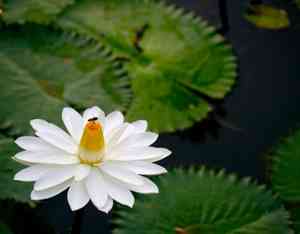
White egyptian lotus (Nymphaea lotus)
Also known as: Tiger lotus, Lotus water lily, Egyptian waterlily
The white Egyptian lotus, known for its radiant white flowers and broad lily pads, is frequently found in ornamental garden ponds. The flowers bloom at night and often remain open until late the next day, with a flowering season that spans the entire summer. Propagating through rhizomes, this plant can endure extended drought periods and revive when water levels are restored.
In This Article
Attributes of White egyptian lotus
Lifespan
Perennial
Plant Type
Herb
Plant Height
45 cm
Spread
1.2 m
Leaf Color
Green on top, reddish or purplish underside
Flower Size
15 cm to 30 cm
Flower Color
White Pink
Images of White egyptian lotus
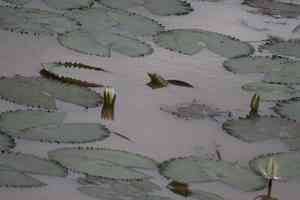


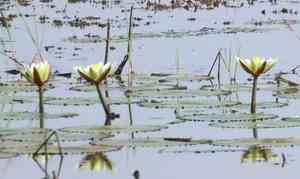
Quickly Identify White egyptian lotus
1
Nymphaea lotus can be identified by its large floating leaves, which are round and have a distinctive reddish or purplish underside. The flowers are white and can have a tinge of pink; they bloom at night.
Scientific Classification of White egyptian lotus
Phylum
Vascular plants
Class
Dicotyledons
Order
Nymphaeales
Family
Water-lily
Genus
Water lilies
Species
White egyptian lotus
Planting and Growing of White egyptian lotus
Care Difficulty
Easy
Watering Schedule
Every 8 days
Sunlight Requirements
Full sun
Sunshine Duration
6-10 hours
Ideal Temperature
75-86℉
Soil Type
Potting Mix, Peat Mix
Soil pH
6.5-7.5
Fertilizer Type
Balanced
Pruning Season
Spring, Summer
Pruning Area
Branches, Leaves
Pruning Frequency
2 times a year
Repotting Season
Spring
Pot Type
Plastic, Ceramic
 How to Water White egyptian lotus?
For Nymphaea lotus, maintain a moisture level that matches its native aquatic environment. This means keeping the soil thoroughly soaked, but not flooded. Approximately 300 ml per watering session should suffice, ensuring that the soil remains consistently moist without water stagnation.
What are the symptoms of an underwatered White egyptian lotus?
›
What should I do if my White egyptian lotus is not getting enough water?
›
What are the symptoms of an overwatered White egyptian lotus?
›
How to save an overwatered White egyptian lotus?
›
 What Are the Sunlight Requirements for White egyptian lotus?
Ideal light range for Nymphaea lotus includes full sun to partial sun, choosing a location with 6 to 8 hours of sunlight. This balance facilitates optimal growth, robust blooms, and healthy foliage while minimizing stress.
More About Sunlight Requirements Techniques→
Ideal Daily Lighting Recommendation
›
Solution to Achieve Ideal Light
›
Benefits of Receiving Ideal Light
›
 What Is the Ideal Temperature Range for White egyptian lotus?
The ideal temperature range for Nymphaea lotus is between 75°F and 86°F. This range ensures optimal growth and blooming conditions for the plant, providing the right environment for its aquatic setup. Maintaining this temperature range helps the plant efficiently manage its metabolic activities and photosynthesis, leading to healthy growth and vibrant blooms.
 What Soil is Best for White egyptian lotus?
Nymphaea lotus thrives in a nutrient-rich substrate that provides essential nutrients for robust growth. An abundance of organic matter results in lush leaves and vibrant blooms, making the plant a striking focal point in any aquatic garden. This plant requires soil that retains moisture consistently, as it is accustomed to aquatic environments. Maintaining even moisture ensures the plant's health and supports the development of its extensive root system, crucial for its stability and nutrient intake. Aerated soil is vital for Nymphaea lotus to prevent root rot and allow efficient nutrient absorption. Good soil aeration promotes healthy roots, leading to a sturdier and more resilient plant, capable of withstanding minor disturbances in its environment.
 How to Fertilize White egyptian lotus?
For Nymphaea lotus, balanced fertilization ensures healthy growth. Use about 1/4 teaspoon of liquid fertilizer mixed in a gallon of water. This ratio supports nutrient uptake without overwhelming the plant's system, promoting vibrant leaves and robust blooms.
 How to Prune White egyptian lotus?
Begin by inspecting the plant for dead or damaged leaves, which should be carefully removed to prevent disease. Use sharp, sterile scissors or pruning shears. Cut leaves as close to the base of the plant as possible. In flowering season, remove spent blooms to encourage new growth. Regularly check for any overcrowded areas and thin them to promote better water circulation and light penetration.
More About Pruning Techniques→
 How to Propagate White egyptian lotus plant?
1
Start by collecting seeds in late summer. Dry them thoroughly before storage to prevent mold. When ready, soak seeds overnight before planting.
2
Fill a wide container with loamy soil, gently press seeds into the surface ensuring they're submerged under a thin layer of water. Keep it in warm, sunny conditions.
3
In early spring, lift the plant from the pond, cutting rhizomes into sections. Ensure each section has at least one growing point and a healthy root system before replanting.
 How to Repot White egyptian lotus plant?
1
Repotting Nymphaea lotus is best done when you notice the plant is overcrowding its container or if its growth seems stunted. Early spring is an ideal time, as the plant begins its growth cycle. Look for signs such as yellowing leaves or lack of new blooms as an indicator that repotting might be needed.
2
Select a pot that is wide and shallow to accommodate the horizontal growth of the Nymphaea lotus. It’s essential that the container has no drainage holes, as water lilies thrive in submerged conditions. A clay or terracotta pot could be ideal as they can naturally regulate moisture and temperature.
3
Use a heavy clay-based soil to anchor the roots firmly and provide ample nutrients. This type of soil helps in holding the lily securely, preventing it from floating away. Enriched clay soil often contains the necessary trace elements for sustained, healthy growth.
Learn More About White egyptian lotus Diseases
Anthracnose
Bacterial Leaf Spot
Bacterial Soft Rot
Bacterial Wilt
Chemical Injury
Damping-off
Downy Mildew
Drought Stress
Fusarium Wilt
Gray Mold
Leaf Spot
Mosaic
Nutrient Deficiency
Nutrient Toxicity
Powdery Mildew
Root Rot
Root-knot Nematode
Sooty Mold
Spider Mites
Temperature Stress
Thrips Damage
White Mold



