How to Prune White egyptian lotus?
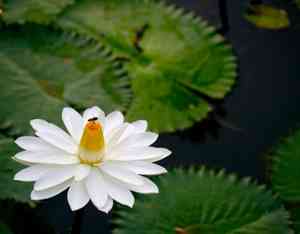
Celebrated for its aquatic environment and sizable, aromatic blossoms, white egyptian lotus flourishes with consistent trimming to stimulate flowering and deter excessive development. Eliminate discolored or compromised foliage and faded flowers near the base to foster well-being. You can prune at any time, as white egyptian lotus withstands trimming throughout the year. Strategic pruning facilitates prime air and light penetration, crucial for the robust development of white egyptian lotus. This upkeep guarantees both visual attractiveness and plant vitality.
What Are the Benefits of Pruning White Egyptian Lotus?
What Are the Benefits of Pruning White Egyptian Lotus?
Trimming white egyptian lotus promotes abundant flowering, maintains its desired visual form, and supports robust development. Regular cutting eliminates dead foliage, enhancing plant health and vigor.
What Is the Best Time for Pruning White Egyptian Lotus?
What Is the Best Time for Pruning White Egyptian Lotus?
Pruning or trimming white egyptian lotus can be performed at any point in the year as it lacks a dormant period typically associated with plants from temperate climates. White egyptian lotus thrives in aquatic environments and continuously produces new leaves and flowers, allowing for ongoing management. Pruning in any season can remove dead or yellowing leaves and control the plant's dimensions, contributing to its aesthetic appeal and well-being. Removing spent flowers encourages new blooms and prevents the plant from expending energy on seed production. Maintaining white egyptian lotus through regular pruning ensures good water quality and light penetration, which is vital for the plant's growth cycle and the overall pond or water garden ecosystem.
What Tools Do I Need to Prune White Egyptian Lotus?
Long-handled Pruning Shears
White egyptian lotus can spread quite extensively across water surfaces. Long-handled pruning shears would enable gardeners to reach across the plant without needing to enter the water or use a boat.
Aquatic Plant Scissors
These are specialized scissors for trimming plants underwater. Since parts of white egyptian lotus are submerged, aquatic plant scissors will provide the necessary precision and handling for submerged growth.
Gloves
While not a cutting tool, waterproof gloves are essential when handling white egyptian lotus to protect the gardener's hands from the water and any sharp stems or leaves.
How to Prune White Egyptian Lotus
Identify
Examine white egyptian lotus carefully to locate diseased leaves, withered leaves, dead branches, diseased branches, and withered flowers that require removal.
Sterilize
Before making any cuts, sanitize pruning tools with isopropyl alcohol or a 10% bleach solution to prevent the spread of disease during pruning.
Trimming leaves
Carefully trim diseased and withered leaves at the base where the leaf stem meets the rhizome. Use sharp, clean scissors to make a clean cut without tearing.
Trimming flowers branches
Remove withered flowers and dead or diseased branches by cutting them off at the base or at the point of healthy tissue. Use aquatic plant trimmers to reach into the water if necessary.
Cleanup
Gently remove all cuttings from the water to prevent decay and potential water quality issues. Dispose of them properly away from the water garden to minimize the risk of disease.
Common Pruning Mistakes with White Egyptian Lotus
Over-pruning
Removing too much foliage can stress white egyptian lotus, limiting its ability to photosynthesize and recover. Gardeners should avoid cutting more than one-third of the plant at any pruning session.
Pruning healthy foliage
Cutting healthy leaves and flowers can reduce the vitality and aesthetic appeal of white egyptian lotus. It's vital to focus on removing only dead or dying parts unless pruning for shape or size.
Improper tool use
Using dull or dirty tools can cause damage to white egyptian lotus, leaving it vulnerable to pests and diseases. It's essential to use clean, sharp pruning instruments to make clean cuts.
Tearing leaves or stems
Ripping or tearing can harm white egyptian lotus. Cuts should be made decisively and cleanly to avoid damaging the plant's vascular system.
Pruning without a plan
Randomly cutting white egyptian lotus can result in uneven growth and a lack of blooms. Gardeners should prune with a clear goal in mind, such as removing spent blooms or managing plant size.
Common Pruning Tips for White Egyptian Lotus
Identify target areas
Gardeners should identify yellow or brown leaves, along with spent or faded flowers of white egyptian lotus, as these are indicators of parts that should be pruned to conserve the plant's energy for healthy growth.
Clean cuts
Make clean and precise cuts on white egyptian lotus just above the water surface to prevent leaving stubs that can rot and introduce disease.
Aeration consideration
Remove crowded leaves of white egyptian lotus to ensure adequate air circulation and light penetration, which are critical for preventing disease and promoting blossom production.
Post-bloom maintenance
After white egyptian lotus has flowered, the removal of old flowers encourages secondary blooming. It's crucial to remove spent flowers before they begin to decay and affect water quality.
Consider plant health
Prune white egyptian lotus when it shows signs of requiring maintenance rather than on a strict schedule, focusing on the plant's health and appearance for timing guidance.



