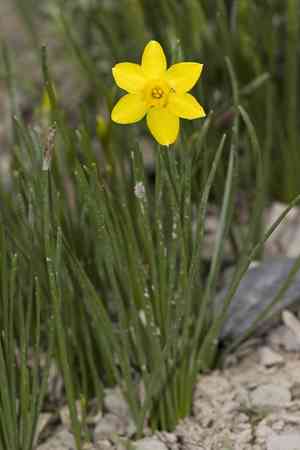
Jordan de Assos Daffodil (Narcissus assoanus)
Also known as: Small narcissus, Rush-Leaved Jonquil
Named in honor of the Spanish botanist Ignatius d’Asso, *Narcissus assoanus*, commonly known as the Jordan de Assos Daffodil, is unique to parts of Northern Europe. This daffodil is distinguished by its narrow foliage and a distinct lemon-like fragrance.
In This Article
Attributes of Jordan de Assos Daffodil
Lifespan
Perennial
Plant Type
Herb
Plant Height
15 cm
Spread
15 cm
Leaf Color
Green
Flower Size
3 cm
Flower Color
Yellow
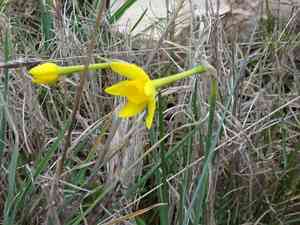
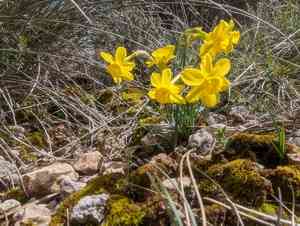
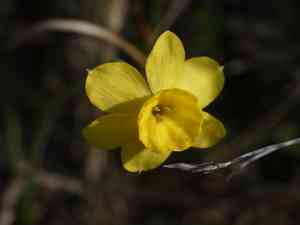
Images of Jordan de Assos Daffodil
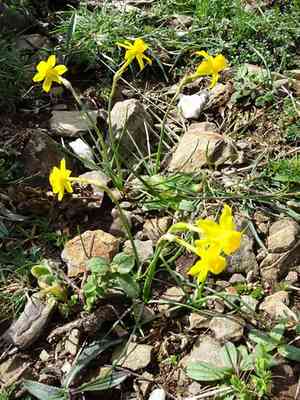
Quickly Identify Jordan de Assos Daffodil
1
Narcissus assoanus can be identified by its small, bright yellow, star-shaped flowers, and rush-like leaves. The flowers typically appear in clusters and each flower has a prominent central trumpet.
Scientific Classification of Jordan de Assos Daffodil
Phylum
Vascular plants
Class
Monocotyledons
Order
Asparagales
Family
Amaryllis
Genus
Daffodils
Species
Jordan de Assos Daffodil
Planting and Growing of Jordan de Assos Daffodil
Care Difficulty
Easy
Watering Schedule
Every 2 days
Sunlight Requirements
Full sun
Sunshine Duration
6-10 hours
Ideal Temperature
60-70℉
Soil Type
Potting Mix, Peat Mix
Soil pH
6.5-7.5
Fertilizer Type
Balanced
Pruning Season
Spring, Summer
Pruning Area
Branches, Leaves
Pruning Frequency
2 times a year
Repotting Season
Spring
Pot Type
Plastic, Ceramic
 How to Water Jordan de Assos Daffodil?
When watering Narcissus assoanus, ensure the soil is moist but not waterlogged. Typically, this plant requires about 200 milliliters of water per session. The key is to provide just enough water to penetrate the top 2-3 inches of soil, ensuring moisture reaches the roots without causing stagnation.
What are the symptoms of an underwatered Jordan de Assos Daffodil?
›
What should I do if my Jordan de Assos Daffodil is not getting enough water?
›
What are the symptoms of an overwatered Jordan de Assos Daffodil?
›
How to save an overwatered Jordan de Assos Daffodil?
›
 What Are the Sunlight Requirements for Jordan de Assos Daffodil?
Ideally, Narcissus assoanus should be grown in areas with full to partial sun exposure. Adequate natural light stimulates growth and vibrant blooming, fulfilling its nutritional needs through efficient photosynthesis.
More About Sunlight Requirements Techniques→
Best Time for Sun Exposure
›
Protection from Intense Sun
›
Maximizing Sunlight Hours
›
 What Is the Ideal Temperature Range for Jordan de Assos Daffodil?
Narcissus assoanus thrives best in a temperature range of 60 to 70°F. This range supports the plant's metabolic processes and encourages healthy growth, ensuring beautiful blooms. Proper temperature management within this range facilitates efficient nutrient uptake and reduces stress, resulting in robust plant development.
 What Soil is Best for Jordan de Assos Daffodil?
Narcissus assoanus thrives in well-draining soil to prevent waterlogging, which can lead to root rot. Ensuring proper drainage increases the plant's health and encourages lush growth. This plant prefers soil with moderate fertility to support steady growth without an excess of nutrients. Adequate fertility supplies essential nutrients while avoiding the risk of over-fertilization. A neutral to slightly alkaline pH optimizes nutrient availability for Narcissus assoanus, promoting vibrant blooms and healthy foliage by enhancing nutrient uptake.
 How to Fertilize Jordan de Assos Daffodil?
For Narcissus assoanus, it's essential to use a balanced fertilizer at half the recommended strength for mature bulbs, typically around 10 grams per square meter. New growth requires a little extra boost, so slightly adjust the quantity as needed.
 How to Prune Jordan de Assos Daffodil?
Before you start pruning Narcissus assoanus, ensure that you have sterilized your pruning shears to prevent the spread of disease. Gather gloves and a sharp knife for any corm division that might be necessary. It's important to start with the cleanest tools to give your plant the best chance of staying healthy. Once the flowers have started to wilt or die, cut them off using sharp, sterilized scissors. This step is crucial as it helps prevent the plant from wasting energy on seed production and instead, directs its resources to bolstering bulb growth. Allow the leaves to die back naturally, as they provide essential nutrients for the bulbs. Trim yellowed leaves carefully without damaging any green parts; this keeps the plant aesthetically pleasing while ensuring it's capturing maximum photosynthesis until its full dormancy. If your Narcissus assoanus has become congested over the years, it's best to dig up the bulbs carefully and divide them. Separate the healthiest, firmest bulbs and replant them appropriately spaced, ensuring they have room to fully flourish.
More About Pruning Techniques→
 How to Propagate Jordan de Assos Daffodil plant?
1
Allow the seed pods to develop on the plant until they mature and turn brown. Once fully ripe, collect them and store in a cool, dry place until ready to sow. Before sowing, soak the seeds in warm water for 24 hours to enhance germination.
2
Fill seed trays with a well-draining seed-starting mix. Sow the soaked seeds on the surface and lightly cover with soil. Place the trays in a well-lit area at a temperature of around 15-20°C. Keep the soil consistently moist but not waterlogged.
3
In early spring or late winter, carefully lift the clumps of Narcissus assoanus using a spade. Gently separate the bulbs ensuring each division has roots attached. Replant immediately at the same depth as they were previously growing.
 How to Repot Jordan de Assos Daffodil plant?
1
Narcissus assoanus should be repotted when you notice stunted growth or the roots begin to outgrow the pot, indicating the need for more space. Spring or autumn are ideal for repotting when the plant is not in its peak flowering phase, allowing it to recover quickly.
2
Select a pot that is slightly larger than the original, ensuring it has adequate drainage holes. A slightly larger pot provides ample space for root expansion while preventing excess soil from retaining too much moisture—a common cause of root rot.
3
Opt for a well-draining soil mix enriched with organic matter to provide nutrients and ensure proper moisture levels. This type of soil helps maintain good aeration around the roots, promoting healthy growth and preventing waterlogging.
Toxicity
ingestion, skin absorption
WARNING
The judgment on toxicity and danger is for reference only. We DO NOT GUARANTEE any accuracy of such judgment. Therefore, you SHALL NOT rely on such judgment. It is IMPORTANT TO SEEK PROFESSIONAL ADVICE in advance when necessary.



