How to Transplant Jordan de Assos Daffodil?
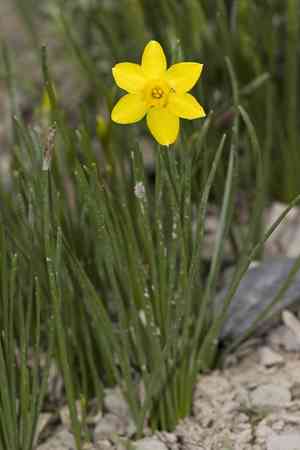
The ideal period for relocating jordan de Assos Daffodil is throughout its winter resting phase, which encourages vigorous development in spring. Select a location that receives ample sunlight and drains effectively. Should the bulbs be densely packed, carefully separate them, ensuring the bulbs remain intact for a smooth transfer.
Preparations Required Before Relocating Jordan De Assos Daffodil?
Optimal Period for Relocating Jordan De Assos Daffodil?
The perfect time for relocating jordan de Assos Daffodil is at the onset of its dormant phase, typically in early winter. This timing ensures a smooth transition to new spots without disrupting its growth cycles. By transplanting during its resting season, you guarantee better acclimation for jordan de Assos Daffodil, promoting vigorous spring emergence. Choosing this opportune moment fosters robust development and future blooms, as cooler conditions facilitate ideal soil settlement around new roots. A friendly reminder: this transplant window aligns with jordan de Assos Daffodil's natural cycle for health and vitality!
Recommended Spacing Between Jordan De Assos Daffodil Plants?
My friend, ensure your jordan de Assos Daffodil has ample room to flourish. Ideally, position them approximately 4-5 inches (10-12 cm) apart. This spacing allows them optimal access to nutrients and water.
Best Soil Blend for Jordan De Assos Daffodil Relocation?
Your jordan de Assos Daffodil thrives in loose, well-draining soil. Aim for more alkaline soils if possible. A good foundational fertilizer to prepare the soil could be a slow-release bulb food. Incorporate it into the topsoil before planting.
Where to Replant Your Jordan De Assos Daffodil?
To flourish, jordan de Assos Daffodil prefers a spot with full sun. Don't fret too much, though, as it will still perform quite well in partial shade. Try to place them where they will receive at least six hours of sunlight daily.
Equipment Needed Before Transplanting Jordan De Assos Daffodil?
Garden Trowel
Useful for smaller digging tasks, ideal for extracting jordan de Assos Daffodil from their containers without excessively disturbing their roots.
Garden Spade
Handy for excavating holes for your plants in the ground.
Watering Can
Essential for hydrating your plants immediately after planting and consistently thereafter.
Gardening Gloves
To shield your hands from soil, sharp stones, and occasionally insects when working with plants and earth.
Scissors or Pruning Shears
Helpful for trimming away dead or damaged plant parts before transplanting to encourage healthier growth post-relocation.
How to Extract Jordan De Assos Daffodil from the Soil?
How to Extract Jordan De Assos Daffodil from the Soil?
From Ground: Begin by gently moistening the jordan de Assos Daffodil plant to loosen the soil. This facilitates easier and less stressful removal for the plant. Dig a wide circle around the plant using your garden spade, taking special care to avoid damaging the root ball as much as possible, as this can significantly impact the plant's survival. Once a trench has been formed around the plant, carefully slide the spade beneath the root ball and lift. Handle the plant by the root ball to maintain its integrity.From Pots: If the jordan de Assos Daffodil is in a pot, pre-watering also applies here. Afterward, carefully turn the pot sideways and gently pull the stem, guiding the root ball out of the pot. If removal is difficult, tap the bottom of the pot to loosen the soil.From Seedling Tray: When the seedling has at least two sets of true leaves, it is ready for relocation. Using a trowel, lift the seedling from underneath, minimizing damage to its delicate roots. Always hold seedlings by their leaves to prevent stem damage.
Step-by-Step Guide for Relocating Jordan De Assos Daffodil
Hole Preparation
Excavate a hole twice as wide and the same depth as the root ball of the jordan de Assos Daffodil. The plant should sit level with or slightly below the surrounding soil surface.
Plant Placement
Gently position jordan de Assos Daffodil in the center of the hole, ensuring the top of the root ball aligns with the ground level. Avoid planting too deeply, as this could lead to decay at the base.
Filling the Hole
Carefully backfill the hole using the excavated soil, and gently press around the base of the jordan de Assos Daffodil to firm the soil and eliminate any air pockets.
Watering
Immediately after planting, water thoroughly. This aids in settling the soil around the root ball.
Post-Transplant Care for Jordan De Assos Daffodil?
Routine Care
After relocating, regularly observe your jordan de Assos Daffodil to ensure it's adapting well to its new environment. Check the plant daily for moisture needs, providing more water when the top inch of soil is dry.
Pruning
Remove any compromised or wilted parts of jordan de Assos Daffodil after one or two weeks. This will help the plant focus on new growth.
Protection
Be vigilant for pests and diseases and implement necessary preventative measures if any signs appear. This might involve using organic insecticides or removing affected leaves.
Weather Shielding
Depending on climatic conditions, you may need to protect the jordan de Assos Daffodil from extreme elements like frost or intense sun until it is well established.
Resolving Common Issues with Jordan De Assos Daffodil Relocation.
When is the best time of year to relocate my jordan de Assos Daffodil?
The optimal period to relocate your jordan de Assos Daffodil is from late fall to early winter (Months 10-12). It benefits from a cold dormancy phase before blooming in spring.
How should I space my jordan de Assos Daffodil?
You'll want to provide each jordan de Assos Daffodil ample room to grow, so plant them approximately 4-5 inches (10-12.7 cm) apart. This will support their development and flowering.
How deep should I plant jordan de Assos Daffodil during relocation?
For a successful relocation, your jordan de Assos Daffodil should be planted about 2-4 inches (5-10 cm) deep. This depth ensures optimal sunlight exposure and protects the bulbs.
What type of soil does jordan de Assos Daffodil prefer?
Jordan de Assos Daffodil thrives in well-drained soil with a slightly acidic to neutral pH. Be sure to amend heavy clay soils with compost or other organic matter to enhance drainage.
Does jordan de Assos Daffodil require a lot of water after relocation?
Water your jordan de Assos Daffodil moderately after relocating. While they need moisture to establish roots, be careful not to overwater to prevent bulb rot.
What are the ideal sunlight conditions for jordan de Assos Daffodil after relocation?
Jordan de Assos Daffodil prefers full sun to partial shade after relocation. However, it can tolerate various light levels, ensuring strong and healthy growth.
What's the best preparation for relocating jordan de Assos Daffodil?
Prepare your relocation site by loosening the soil and incorporating compost. Ensure the area is free of weeds and provides sufficient space for each plant.
What should I do if my relocated jordan de Assos Daffodil isn't blooming?
If your jordan de Assos Daffodil isn't blooming after relocation, ensure it's receiving adequate sun, nutrients, and spacing. Excessive nitrogen in the soil may promote leaf growth over flowers.
How do I manage pest and disease issues after relocating jordan de Assos Daffodil?
Regularly inspect your jordan de Assos Daffodil. If you detect pests or signs of disease, use insecticidal soap or an eco-friendly pesticide. Common pests include aphids, nematodes, and bulb flies.
Can jordan de Assos Daffodil recover from relocation shock?
Yes, jordan de Assos Daffodil can endure relocation shock, but be gentle during the process. Water generously after relocating and provide shade to help the plant recover more quickly.



