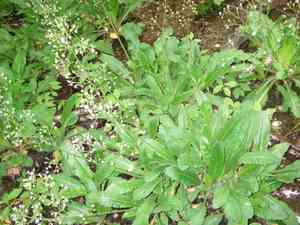
Lettuceleaf saxifrage (Micranthes micranthidifolia)
Also known as: Lettuce Saxifrage
Micranthes micranthidifolia, also known as branch lettuce, mountain lettuce, or cliff saxifrage, belongs to the Saxifrage family. This plant typically thrives in moist, rocky, and shaded locations such as along cliffs and near mountain streams, particularly within the Appalachian Mountains.
In This Article
Attributes of Lettuceleaf saxifrage
Lifespan
Perennial
Plant Type
Herb
Plant Height
10-20 cm (4-8 inches)
Spread
N/A
Leaf Color
Green
Flower Size
5-10 mm
Flower Color
White
Images of Lettuceleaf saxifrage
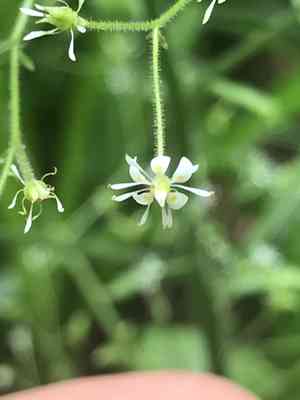
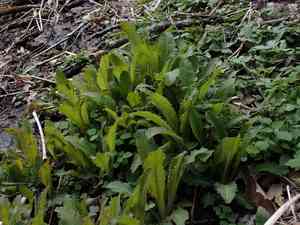
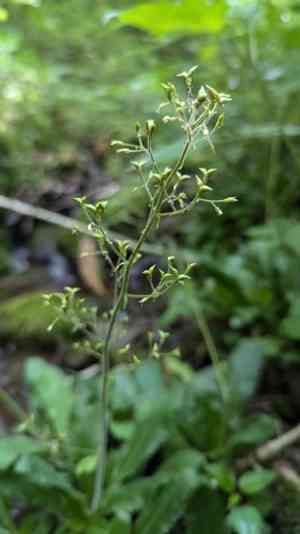

Quickly Identify Lettuceleaf saxifrage
1
Micranthes micranthidifolia can be identified by its basal rosette of smooth, slightly lobed leaves, and small white flowers that emerge on slender stalks, typically blooming in late spring to early summer.
Scientific Classification of Lettuceleaf saxifrage
Phylum
Vascular plants
Class
Dicotyledons
Order
Saxifragales
Family
Saxifrage
Genus
Micranthes
Species
Lettuceleaf saxifrage
Planting and Growing of Lettuceleaf saxifrage
Care Difficulty
Moderate
Watering Schedule
Every 3 days
Sunlight Requirements
Partial sun
Sunshine Duration
6-8 hours
Ideal Temperature
60-70℉
Soil Type
Potting Mix, Peat Mix
Soil pH
6-7
Fertilizer Type
Balanced
Pruning Season
Spring, Summer
Pruning Area
Branches, Leaves
Pruning Frequency
2 times a year
Repotting Season
Spring
Pot Type
Plastic, Ceramic
 How to Water Lettuceleaf saxifrage?
For Micranthes micranthidifolia, it's important to water generously but not excessively. Typically, 150ml per watering is ideal to ensure moisture reaches the root zone without causing waterlogging. Make sure the top inch of soil feels dry before the next watering session.
What are the symptoms of an underwatered Lettuceleaf saxifrage?
›
What should I do if my Lettuceleaf saxifrage is not getting enough water?
›
What are the symptoms of an overwatered Lettuceleaf saxifrage?
›
How to save an overwatered Lettuceleaf saxifrage?
›
 What Are the Sunlight Requirements for Lettuceleaf saxifrage?
Micranthes micranthidifolia's ideal light range is partial sun, where it receives around 3 to 6 hours of indirect sunlight daily. This light condition enhances its foliage color and aids in robust flowering.
Preferred Light Conditions
›
Solutions for Ideal Lighting
›
Benefits of Ideal Lighting
›
 What Is the Ideal Temperature Range for Lettuceleaf saxifrage?
The ideal temperature range for growing Micranthes micranthidifolia is between 60°F and 70°F. This range allows the plant to thrive by maintaining metabolic processes at optimal levels. An ideal temperature helps in proper photosynthesis, nutrient absorption, and overall health of the plant. Keeping the plant within this range minimizes stress and encourages healthy growth patterns.
 What Soil is Best for Lettuceleaf saxifrage?
Micranthes micranthidifolia thrives in loamy, acidic soils with good moisture retention. The soil's ability to hold water ensures that the plant gets consistent moisture, preventing dryness that could hinder growth. Nutrient-rich soil is essential for Micranthes micranthidifolia as it enables the plant to access essential minerals and nutrients needed for robust growth and development, leading to vibrant foliage and healthy blooms. While retaining moisture is crucial, the soil must also have good drainage to prevent root rot. This balance allows Micranthes micranthidifolia roots to absorb nutrients efficiently without being waterlogged.
 How to Fertilize Lettuceleaf saxifrage?
Micranthes micranthidifolia requires careful attention to fertilizer dosing to thrive. Use a balanced liquid fertilizer with an NPK ratio of 10-10-10, diluted to half strength to avoid root burn. Apply 50 ml of the diluted solution each time to the plant, ensuring the soil is slightly moist beforehand to prevent nutrient shock.
 How to Prune Lettuceleaf saxifrage?
To prune Micranthes micranthidifolia, start by cleaning your pruning shears with alcohol to prevent disease transmission. Gently remove any dead or damaged leaves by cutting them at the base. Ensure to prune back to healthy tissues to promote better growth and aesthetics. After removing the dead parts, focus on any leggy or sparse areas. Trim these parts down to promote bushy growth. Consider cutting stems back by about one-third to encourage new shoots and a denser appearance.
More About Pruning Techniques→
 How to Propagate Lettuceleaf saxifrage plant?
1
Begin by collecting mature seeds from the plant. Clean and dry them thoroughly. Pre-soaking seeds in water for 24 hours can improve germination rates by softening the seed coat.
2
Select healthy stems for cuttings, ideally around 4-6 inches long. Remove any flowers and lower leaves. Dip the cut end in rooting hormone to stimulate root development before planting.
3
Gently dig up the plant to expose the roots. Use a sharp knife to separate the plant into smaller sections, ensuring each division has a good root mass for successful reestablishment.
 How to Repot Lettuceleaf saxifrage plant?
1
Micranthes micranthidifolia needs repotting when you observe roots emerging from the drainage holes or the plant exhibiting slow growth due to being root-bound. These signals usually manifest in early spring, just as the plant begins to show new growth, making it an ideal time for repotting.
2
Select a pot that is one size larger than the current one, with ample drainage holes to prevent waterlogging. Using a pot that is only slightly larger helps avoid excess soil moisture, reducing the risk of root rot and allowing the roots to establish better in the new soil.
3
Choose a well-draining organic soil mix rich in nutrients, which provides excellent aeration and helps maintain optimal moisture levels. This type of soil promotes healthy root growth and prevents water stagnation, which can lead to root diseases.
Learn More About Lettuceleaf saxifrage Diseases
Anthracnose
Bacterial Leaf Spot
Bacterial Soft Rot
Bacterial Wilt
Black Spot
Chemical Injury
Crown Gall
Cyst Nematode
Damping-off
Downy Mildew
Drought Stress
Fusarium Wilt
Gray Mold
Leaf Spot
Mosaic
Nutrient Deficiency
Nutrient Toxicity
Powdery Mildew
Root Rot
Root-knot Nematode
Rusts
Sooty Mold
Spider Mites
Temperature Stress
Thrips Damage
White Mold



