How to Prune Lettuceleaf saxifrage?
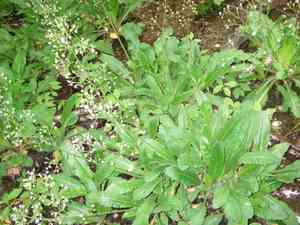
Lettuceleaf saxifrage, a unique perennial recognized for its expansive, lettuce-like foliage, greatly thrives with appropriate trimming. To foster robust development and blooming, eliminate spent or withered blossoms and cut away any compromised leaves throughout spring, summer, or autumn. This practice not only preserves the tidy look of lettuceleaf saxifrage but also averts excessive density and stimulates energetic fresh growth. The most effective pruning periods coincide with the plant's peak growth phases, guaranteeing superior outcomes and plant well-being.
Advantages of Trimming Lettuceleaf Saxifrage
Advantages of Trimming Lettuceleaf Saxifrage
Trimming lettuceleaf saxifrage promotes robust development and helps maintain its compact form, essential in confined garden areas or rock gardens. Regular cutting can stimulate healthier leaves and prevent overcrowding, ensuring optimal plant health.
Optimal Time for Trimming Lettuceleaf Saxifrage
Optimal Time for Trimming Lettuceleaf Saxifrage
Trimming or cutting lettuceleaf saxifrage during Spring, Summer, and Fall is ideal due to several factors related to its growth and physiological requirements. In Spring, early trimming helps stimulate new growth and revitalizes the plant after dormancy, preparing it for vigorous development throughout the growing season. Summer trimming, especially after blooming, is beneficial for removing spent flowers and any diseased or excess foliage, which can improve air circulation and reduce the likelihood of fungal infections. Finally, Fall trimming is advantageous for shaping the plant and removing any old or dead growth before winter, which helps prevent the accumulation of diseases and pests that can occur in decaying plant material. These practices ensure that lettuceleaf saxifrage maintains optimal health and displays enhanced flowering and foliage quality in the subsequent seasons.
Tools Required for Trimming Lettuceleaf Saxifrage
Bypass Pruners
Perfect for making precise cuts, bypass pruners work well for lettuceleaf saxifrage, especially in removing dead or overgrown stems without harming the plant's more delicate tissues.
Garden Shears
These are vital for shaping and managing the growth of lettuceleaf saxifrage. Garden shears can handle thin stems and leaves effectively, making them perfect for routine upkeep.
Pruning Saw
For larger, woodier parts of lettuceleaf saxifrage that may develop over time, a pruning saw helps in removing thicker stems that smaller tools might not be able to handle safely and cleanly.
How to Trim Lettuceleaf Saxifrage
Identify
Examine lettuceleaf saxifrage closely, identifying any diseased or withered leaves, as well as dead or diseased branches. Ensure to check both the upper and lower sides of the leaves and along the branches.
Disinfect
Before starting the trimming process, disinfect your pruning tools using alcohol or a 10% bleach solution to prevent the spread of any pathogens to healthy parts of lettuceleaf saxifrage.
Trim leaves
Gently remove diseased and withered leaves from lettuceleaf saxifrage using your fingers or pruning shears. Make clean cuts close to the base of each leaf, taking care not to harm the main stem or nearby healthy leaves.
Trim branches
Cut back any dead or diseased branches on lettuceleaf saxifrage to a healthy part of the branch. Make cuts at a 45-degree angle just above an outward-facing bud or node to promote healthy new growth.
Cleanup
Carefully collect and discard all trimmed material from around lettuceleaf saxifrage, making sure to clean up any fallen leaves or debris. This helps prevent any potential disease or pest issues from lingering in the area.
Common Trimming Errors with Lettuceleaf Saxifrage
Excessive Trimming
One of the primary mistakes is over-trimming lettuceleaf saxifrage, which involves removing too much foliage or cutting back the plant too severely. This can stress the plant, stunting its growth and reducing its vigor.
Incorrect Cut Placement
Another frequent error is cutting at improper locations on the plant. Cuts made too far from a bud fail to encourage proper new growth and can lead to dieback or disease.
Using Dull Tools
Using dull or unclean pruning tools is a common oversight. Dull tools can damage the stems of lettuceleaf saxifrage, creating jagged cuts that poorly heal and increase the risk of disease.
Neglecting to Thin
Failing to thin out dense growth in lettuceleaf saxifrage can lead to poor air circulation within the plant, which encourages the development of fungal diseases.
General Trimming Advice for Lettuceleaf Saxifrage
Clean Cuts Near Buds
Make clean, sharp cuts close to the buds. This technique promotes healthy new growth that will shape lettuceleaf saxifrage effectively while ensuring the health of the plant.
Sanitize Pruning Tools
Before starting, always sanitize your pruning tools. This simple practice prevents the spread of disease between plants. Use a solution of bleach or alcohol to clean the blades.
Focus on Thinning
Concentrate on thinning rather than shortening when trimming lettuceleaf saxifrage. Remove older, inner branches to enhance light penetration and air flow, encouraging a healthier plant with better blooms.
Leave Healthy Growth
It is crucial to retain healthy growth as much as possible. Target only the damaged or overgrown areas of lettuceleaf saxifrage for removal, keeping the plant's structure and health intact.



