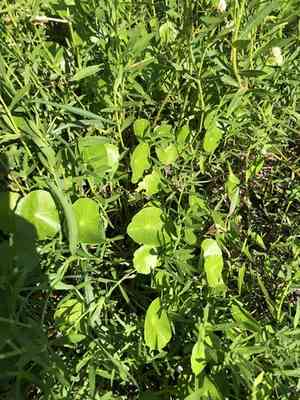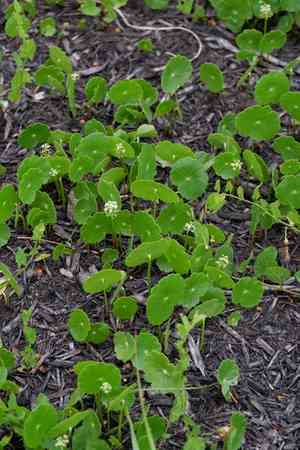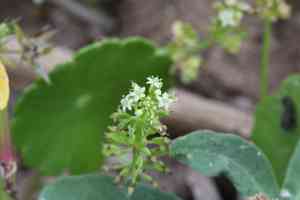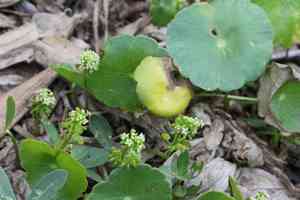
Whorled marshpennywort(Hydrocotyle prolifera)

Whorled marshpennywort (Hydrocotyle prolifera)

Also known as: Pennywort

Hydrocotyle prolifera and Hydrocotyle verticillata can be distinguished by several key characteristics, especially their flowering structures:

1. **Flower and Fruit Structures**:
- **Hydrocotyle prolifera**: Features pedicellate (having stalks) flowers and fruits.
- **Hydrocotyle verticillata**: Exhibits sessile or subsessile (almost without stalks) flowers and fruits.

2. **Growth Form**:
- **Hydrocotyle prolifera**: Grows as an emergent aquatic plant and is an herbaceous perennial.
- **Hydrocotyle verticillata**: Also an aquatic plant but tends to have a different growth habit and leaf structure.

3. **Flowering Season**:
- **Hydrocotyle prolifera**: Flowers from spring through summer.

These distinctions, particularly in the flowering and fruiting structures, help differentiate the two species.

Attributes of Whorled marshpennywort

Lifespan
Perennial
Plant Type
Herb
Plant Height
0 mm to 30 cm
Spread
N/A
Leaf Color
Green
Flower Size
Small, less than 1 cm
Flower Color
White or light green

ForwardPlant - Identify plants with a snap

Identify and diagnose plants, get toxicity alerts, and explore safety guides for all types of fungi.

Try for Free

Images of Whorled marshpennywort

Whorled marshpennywort(Hydrocotyle prolifera)

Quickly Identify Whorled marshpennywort

1
Hydrocotyle prolifera can be identified by its round, lobed leaves that resemble small umbrellas. Its stems are thin and creeping, often forming dense mats that can cover water surfaces. The leaves are typically green and can be up to several centimeters in diameter. The plant produces small, inconspicuous flowers in clusters.

Scientific Classification of Whorled marshpennywort

Phylum
Vascular plants
Class
Dicotyledons
Order
Apiales
Family
Umbellifers
Genus
Water Pennywort
Species
Whorled marshpennywort

Planting and Growing of Whorled marshpennywort

Care Difficulty
Easy
Watering Schedule
Every 5 days
Sunlight Requirements
Partial sun
Sunshine Duration
4-6 hours
Ideal Temperature
68-77℉
Soil Type
Potting Mix, Peat Mix
Soil pH
6.5-7.5
Fertilizer Type
Balanced
Pruning Season
Spring, Summer
Pruning Area
Branches, Leaves
Pruning Frequency
2 times a year
Repotting Season
Spring
Pot Type
Plastic, Ceramic

water icon How to Water Whorled marshpennywort?

For Hydrocotyle prolifera, the watering amount should be sufficient to keep the soil consistently moist without being waterlogged. It's essential to ensure that the soil doesn't dry out completely, which can hinder its growth. Water the plant with 200 ml each time; this promotes healthy root development and lush foliage.
What are the symptoms of an underwatered Whorled marshpennywort?
What should I do if my Whorled marshpennywort is not getting enough water?
What are the symptoms of an overwatered Whorled marshpennywort?
How to save an overwatered Whorled marshpennywort?

sunlight icon What Are the Sunlight Requirements for Whorled marshpennywort?

Sunlight Requirements: Partial sun, Full shade
Duration of light: 4-6 hours daylight
Partial to full shaded areas are ideal areas. Ideal light fosters robust growth, vibrant foliage, and disease resistance, reflecting its natural habitat on the forest floor.
What is the optimal light for Hydrocotyle prolifera?
How to achieve ideal light conditions for Hydrocotyle prolifera?
Benefits of providing ideal light conditions for Hydrocotyle prolifera?

temperature icon What Is the Ideal Temperature Range for Whorled marshpennywort?

Ideal Temperature: 68 ~ 77℉
Hydrocotyle prolifera thrives best in warm conditions, ideally between 68°F and 77°F. Maintaining the temperature within this range supports healthy growth and ensures the plant's physiological processes function optimally. This range mimics their natural habitat, where consistent warmth leads to robust foliage development and resistance to certain stresses.

soil icon What Soil is Best for Whorled marshpennywort?

Soil type: Loam, Sandy loam, Peat soil
Soil PH: 6.5 ~ 7.5
Hydrocotyle prolifera thrives in soil that retains moisture well, ensuring that the plant's roots have a consistent supply of water. This is particularly beneficial in preventing dehydration, which can lead to wilted leaves and stunted growth. The plant requires a soil rich in organic matter, which provides essential nutrients for its growth. Nutrient-rich soil supports robust foliage and promotes healthy root development, ultimately leading to a more vigorous plant. While it prefers moist soil, Hydrocotyle prolifera also needs proper drainage to avoid root rot. Well-drained soil prevents waterlogging, ensuring the roots have access to oxygen, which is crucial for their proper functioning.

fertilize icon How to Fertilize Whorled marshpennywort?

Fertilizer type: Balanced
For Hydrocotyle prolifera, liquid fertilizers should be applied at a diluted concentration, about half the recommended strength on the package. Avoid over fertilization by sticking to small amounts, no more than 1/4 teaspoon per quart of water.

prune icon How to Prune Whorled marshpennywort?

Pruning Time: Spring, Summer, Autumn, Winter
Start by identifying any dead or yellowing leaves. These leaves are non-productive and can be gently removed. Follow the stem and cut cleanly with sharp shears close to the base of the plant. This encourages new, healthy growth and prevents the plant from wasting resources on damaged foliage. Hydrocotyle prolifera can spread widely if left unchecked. Regularly trim back overgrown stems to maintain the desired shape and size. Cut back to a leaf node to encourage bushier growth, ensuring your plant remains compact and aesthetically pleasing. More About Pruning Techniques

propagate icon How to Propagate Whorled marshpennywort plant?

Propagate Time: Spring, Early summer
1
Ensure you select healthy and mature Hydrocotyle prolifera plants for propagation. The parent plant should be free of diseases and pests, with vibrant foliage indicating robust health. This ensures that the new plants have a strong start.
2
Cut a healthy stem of about 4-6 inches in length with several leaves or divide the plant by separating its root clusters. Make sure your cuts are clean to promote healing and rooting. For divisions, gently tease apart the root mass to ensure each section has a good portion of roots.
3
Fill pots with a sterilized, well-draining potting medium. Moisten the medium slightly before inserting the cuttings or divisions. This prepares a conducive environment for the roots to establish themselves without extra stress.
More About Propagating Techniques

repot icon How to Repot Whorled marshpennywort plant?

Repotting frequency: Every 1-2 years
1
Recognize the signs like roots emerging from the drainage holes or stunted growth, indicating your Hydrocotyle prolifera needs repotting. These signs typically occur as the plant utilizes all available space in the pot, requiring more room for its roots to expand and absorb nutrients effectively.
2
Select a pot slightly larger than the current one, with ample drainage holes. This helps prevent waterlogging while giving the roots space to grow. The increase in pot size should ideally be no more than 2 inches, ensuring the plant doesn't expend unnecessary energy on filling too much empty space.
3
Opt for a rich, well-draining soil mix that retains moisture but doesn’t stay soggy. A good mix might include peat, compost, and a bit of sand to enhance drainage. This type of soil will nourish the plant while avoiding root rot, supporting healthy growth.

ForwardPlant - Identify plants with a snap

Find the best spots for them to optimize their health, simply using your phone.

Try for Free