How to Prune Whorled marshpennywort?
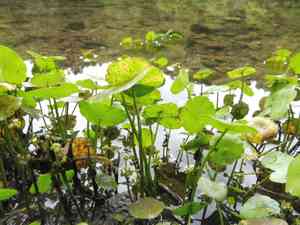
A widespread aquatic or semi-aquatic perennial, whorled marshpennywort flourishes in moist habitats and displays round, parasol-shaped leaves. Trimming should concentrate on eliminating deceased or discolored foliage, mainly in spring and summer, to stimulate robust development and preserve a compact form. This method additionally averts decomposition within the thick cluster of leaves and stems, fostering more vibrant foliage. Performing pruning during these designated periods corresponds with whorled marshpennywort's peak growth stages, guaranteeing the best possible recuperation and expansion after trimming.
What Are the Benefits of Pruning Whorled Marshpennywort?
What Are the Benefits of Pruning Whorled Marshpennywort?
Trimming whorled marshpennywort encourages robust development and helps maintain its desired form. Consistent cutting prevents excessive growth, ensuring the plant stays manageable and visually appealing in garden areas.
What Is the Best Time for Pruning Whorled Marshpennywort?
What Is the Best Time for Pruning Whorled Marshpennywort?
Pruning whorled marshpennywort in spring and summer aligns with its active growth phase, typically from spring through summer. Trimming during these periods allows for rapid recovery and supports strong growth, ensuring cuts heal well and the plant remains healthy. Additionally, pruning before hot weather helps prevent stress on whorled marshpennywort, boosting its ability to thrive and potentially produce more foliage, which is good for dense, attractive ground cover. Moreover, removing older or overlapping leaves at this time helps manage the shape of whorled marshpennywort and promotes a more uniform growth pattern.
What Tools Do I Need to Prune Whorled Marshpennywort?
Hand Pruners or Secateurs
These are perfect for making accurate cuts on the small, delicate stems of whorled marshpennywort. They enable targeted pruning that fosters healthy growth without harming the plant.
Snips or Micro-Tip Pruning Snips
Ideal for reaching into thick growths of whorled marshpennywort to precisely remove unwanted or crowded stems. Their small blades offer accuracy and minimize damage to surrounding foliage.
Pruning Shears
Suitable for larger-scale trimming of whorled marshpennywort. Especially useful if the plant has outgrown its space, as they allow for quick and efficient removal of multiple stems at once.
How to Prune Whorled Marshpennywort
Identify
Inspect whorled marshpennywort for any diseased or withered leaves and stems. Carefully check both the top and bottom surfaces of the leaves, as well as where stems branch from the main root.
Disinfect
Before trimming, sanitize your pruning tools with isopropyl alcohol or a 10% bleach solution to prevent disease spread.
Cut
Using sharp scissors or pruning shears, cleanly remove the identified diseased and withered leaves along with any diseased stems. Make cuts close to the base of the leaf stem or at the point of origin from the main plant to ensure healthy regrowth.
Dispose
Properly discard the removed diseased and withered materials by placing them in a sealed bag and throwing them in the trash to avoid contaminating other garden areas.
Monitor
Regularly observe whorled marshpennywort after pruning and repeat the process as needed. Pay close attention during the growing season, as this is when new issues are most likely to appear.
Common Pruning Mistakes with Whorled Marshpennywort
Overpruning
Removing too much foliage at once can weaken whorled marshpennywort, reducing its vigor and limiting its ability to photosynthesize effectively.
Improper cut location
Cutting too close to the central stem or node can damage the delicate growth points of whorled marshpennywort, potentially leading to disease or poor regrowth.
Using dull tools
Dull pruning tools might tear the stems of whorled marshpennywort, leading to jagged wounds that heal poorly and increase susceptibility to pests and diseases.
Neglecting health inspection
Failing to inspect whorled marshpennywort for health issues such as rot or pest infestations before pruning might spread problems to healthy parts of the plant or neighboring plants.
Common Pruning Tips for Whorled Marshpennywort
Selective pruning
Focus on removing only the dead, damaged, or overgrown foliage to maintain the health and appearance of whorled marshpennywort. This helps retain the plant’s natural shape and vigor.
Clean tools
Always use sharp, clean tools to make precise cuts. This practice prevents disease transmission and ensures cleaner, healthier cuts that heal faster.
Angle cuts away from node
Make cuts at a 45-degree angle, several inches above the node to encourage proper water runoff and prevent water accumulation that could lead to rot or disease.
Regular maintenance
Regularly check and lightly prune whorled marshpennywort to manage its growth and promote denser foliage, which is essential for a lush and vibrant appearance.



