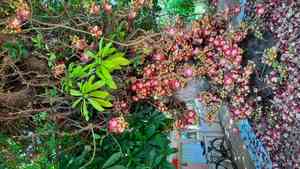
Cannonball tree (Couroupita guianensis)
Also known as: Cannonball Tree, Couroupita, Sal Tree
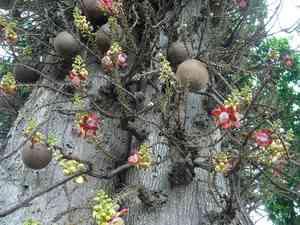
The Cannonball Tree (Couroupita guianensis) is a tropical species recognized for its sizeable, distinct, and aromatic flowers, as well as its spherical, cannonball-like fruit. When these fruits mature, they can pose a risk by dropping on individuals underneath the tree.
In This Article
Attributes of Cannonball tree
Lifespan
Perennial
Plant Type
Tree
Plant Height
15 m to 23 m
Spread
9 m
Leaf Color
Dark green
Flower Size
6 cm to 10 cm
Flower Color
Orange Purple Red
Images of Cannonball tree
Quickly Identify Cannonball tree
1
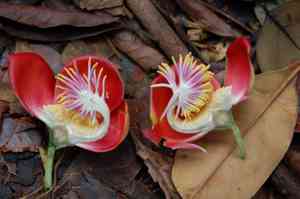
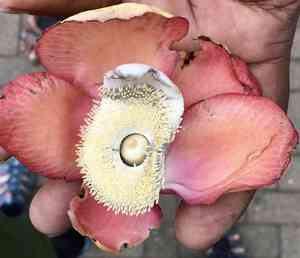
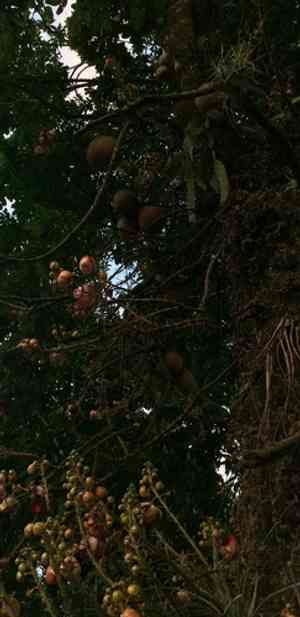
Couroupita guianensis can be identified by its huge spherical fruits that resemble cannonballs, which dangle from thick, woody stalks emerging directly from the trunk. The flowers are large, fragrant, and typically have a bright red to pink coloration with a white and yellow center.
Scientific Classification of Cannonball tree
Phylum
Vascular plants
Class
Dicotyledons
Order
Heathers and allies
Family
Brazil-nut
Genus
Cannonball tree
Species
Cannonball tree
Planting and Growing of Cannonball tree
Care Difficulty
Hard
Watering Schedule
Every 3 days
Sunlight Requirements
Full sun
Sunshine Duration
4-6 hours
Ideal Temperature
75-85℉
Soil Type
Potting Mix, Peat Mix
Soil pH
6.5-7.5
Fertilizer Type
Balanced
Pruning Season
Spring, Summer
Pruning Area
Branches, Leaves
Pruning Frequency
2 times a year
Repotting Season
Spring
Pot Type
Plastic, Ceramic
 How to Water Cannonball tree?
Couroupita guianensis, also known as the cannonball tree, thrives with consistent moisture. Water deeply until the soil feels moist to the touch, roughly using around 1000 milliliters each time. Ensure the water penetrates the root zone but avoid waterlogging. This tropical tree prefers a balance between wet and well-drained, similar to its natural rainforest habitat.
What are the symptoms of an underwatered Cannonball tree?
›
What should I do if my Cannonball tree is not getting enough water?
›
What are the symptoms of an overwatered Cannonball tree?
›
How to save an overwatered Cannonball tree?
›
 What Are the Sunlight Requirements for Cannonball tree?
Couroupita guianensis thrives in full sun to partial sun conditions. Ideal light promotes lush growth, abundant flowering, and enhances the plant's overall vitality.
More About Sunlight Requirements Techniques→
What is the ideal lighting condition?
›
How can I achieve the ideal lighting for this plant?
›
What are the benefits of providing ideal lighting?
›
 What Is the Ideal Temperature Range for Cannonball tree?
Couroupita guianensis thrives best in a warm and humid environment. Ideally, the temperature should remain between 75°F and 85°F to support healthy growth. This range ensures that the plant receives the warmth necessary for efficient photosynthesis and helps maintain its lush foliage.
 What Soil is Best for Cannonball tree?
Couroupita guianensis thrives best in nutrient-rich soil, where the abundance of organic matter supports its robust growth. This type of soil ensures that the plant receives an ample supply of minerals and nutrients, promoting healthy leaves and vibrant flowers. Well-drained soil is crucial for the Couroupita guianensis as it prevents waterlogging around the roots. Ensuring the soil doesn't retain excess water helps avert root rot and fungal infections, keeping the tree healthy and thriving. This plant prefers soil that retains moderate moisture without becoming waterlogged. Such soil supports consistent hydration for the roots while allowing excess water to drain, providing a balanced moisture environment essential for its growth.
 How to Fertilize Cannonball tree?
For Couroupita guianensis, it's important to apply a balanced fertilizer that contains nitrogen, phosphorus, and potassium in equal proportions. Use a diluted liquid fertilizer at half strength to avoid root burn and ensure healthy growth.
 How to Prune Cannonball tree?
Begin by identifying any deadwood or overly dense branches within the tree canopy. This step is crucial as these areas can hinder air circulation and promote disease. Use sharp pruning shears to carefully remove these sections, ensuring to make clean cuts just above a healthy node. Shaping involves selectively trimming branches to establish a balanced and aesthetic form. Keep in mind that uneven canopies can lead to sunburnt sections and stresses. Trim back any excessively long branches to maintain a rounded and tidy canopy shape.
More About Pruning Techniques→
 How to Propagate Cannonball tree plant?
1
The first step is to collect ripe seeds from a mature Couroupita guianensis tree. Ensure the seeds are dry and free from any pulp residue before planting.
2
Fill seed trays with the prepared soil mix. Ensure the soil is lightly moistened before placing the seeds at an appropriate depth to encourage germination.
3
Regularly water the seeds, ensuring the soil remains moist but not waterlogged. Place the trays in a warm, sunny spot to provide the seeds with ample light for germination.
 How to Repot Cannonball tree plant?
1
Repot Couroupita guianensis when you notice roots visibly coming out of the drainage holes or the growth has stagnated despite proper care. Spring and early summer are ideal seasons as the plant is entering its growing phase and can recover more quickly.
2
Opt for a pot that is 2-3 inches bigger in diameter than the current one. Ensure it has ample drainage holes to maintain optimal soil moisture levels. Using the right pot size prevents waterlogging and supports healthier root growth and stability for your plant.
3
Select a well-draining potting mix that has a balance of organic materials and aerating components like perlite or sand. This prevents water retention, allowing the roots to breathe and reducing the risk of root rot, which is key for sustained plant health.
Learn More About Cannonball tree Diseases
Anthracnose
Bacterial Leaf Spot
Bacterial Soft Rot
Bacterial Wilt
Chemical Injury
Crown Gall
Damping-off
Drought Stress
Fusarium Wilt
Gray Mold
Leaf Curl
Leaf Spot
Mosaic
Nutrient Deficiency
Nutrient Toxicity
Powdery Mildew
Root Rot
Root-knot Nematode
Sooty Mold
Spider Mites
Temperature Stress
Thrips Damage
White Mold



