How to Prune Cannonball tree?
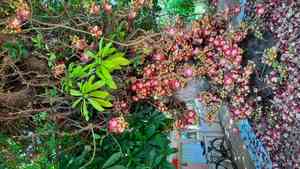
For Couroupita guianensis, recognized for its substantial, aromatic blossoms and fruit resembling cannonballs, undertake pruning in late winter or early spring to foster robust development and preserve its form. Eliminate any deceased or intersecting branches to improve air movement and light exposure. Reducing the density of the crown aids in the formation of sturdy branches. Although it requires infrequent pruning, well-considered cuts can avert potential harm from the heft of its weighty fruit, guaranteeing both safety and vitality.
What Are the Benefits of Pruning Cannonball Tree?
What Are the Benefits of Pruning Cannonball Tree?
Trimming cannonball tree promotes robust development and maintains a neat appearance. Strategic cuts eliminate weak branches, improving structure and reducing risks from falling limbs, particularly due to cannonball tree's large fruit. It also enables gardeners to shape the tree for aesthetic appeal or space management.
What Is the Best Time for Pruning Cannonball Tree?
What Is the Best Time for Pruning Cannonball Tree?
Pruning cannonball tree in late winter or early spring is optimal as the plant is typically dormant, minimizing stress during trimming. Furthermore, removing branches before the new growth season begins allows the plant's energy to be directed towards producing new shoots and flowers. This timing also helps prevent the potential spread of diseases, which are less active in cooler weather. Late winter to early spring pruning aligns with the tree's recovery period, giving it time to heal before the demands of the growth cycle increase. Moreover, since cannonball tree flowers and fruits primarily on new growth, pruning at this time encourages healthy flowering and fruiting in the subsequent season. By adhering to these seasonal guidelines, gardeners can maintain the health, structure, and beauty of cannonball tree, while also optimizing its ability to produce its distinctive large, spherical fruits and elaborate flowers.
What Tools Do I Need to Prune Cannonball Tree?
Hand Pruners (Secateurs)
Perfect for trimming and shaping cannonball tree's smaller branches, typically under 3/4 inch thick. They ensure clean, precise cuts, vital for the plant's well-being.
Loppers
Suitable for cutting branches too thick for hand pruners, usually up to 2 inches in diameter. As cannonball tree can have moderately thick branches, loppers with strong blades and long handles provide the necessary leverage for effective pruning.
Pruning Saw
Essential for removing larger branches from cannonball tree, especially those exceeding 2 inches in diameter. A pruning saw allows gardeners to make clean cuts on bigger limbs that hand pruners and loppers cannot handle.
Pole Pruner
Useful for reaching higher branches of cannonball tree without a ladder, enhancing safety. This tool combines a saw and lopper on an extendable pole, enabling pruning of branches up to a certain height from the ground.
Chainsaw
For removing very large limbs or significant portions of cannonball tree, a chainsaw might be necessary. This should be handled with extreme caution, possibly by a professional, as cannonball tree is a large tree and chainsaw use can be dangerous.
How to Prune Cannonball Tree
Clean tools
Before beginning, ensure all cutting implements are clean and sharp to make precise cuts and prevent disease transmission to cannonball tree.
Inspect
Carefully examine cannonball tree to identify dead and diseased branches requiring removal. Look for discolored, brittle, or fungus-affected branches.
Cut diseased branches
Using appropriate tools, cut diseased branches on cannonball tree at least a few inches into healthy tissue to ensure complete removal of affected parts. Make a 45-degree angle cut to promote healing and prevent water accumulation on the cut surface.
Cut dead branches
Remove dead branches from cannonball tree by cutting them back to their origin point or the nearest lateral branch. Ensure cuts are clean and avoid tearing the bark to preserve the health of the remaining tissues.
Dispose
Properly dispose of removed dead and diseased branches, far from cannonball tree, to prevent potential re-infection or spread of pests and diseases that could affect other plants.
Common Pruning Mistakes with Cannonball Tree
Over pruning
Removing excessive foliage at once can stress cannonball tree, leading to poor health and reduced flowering. A common error is cutting back more than one-third of the plant's total canopy, which can shock its system.
Improper cut location
Incorrect cut placements can result in damage. For cannonball tree, cuts should not be too close to the trunk or too far from the bud, as this can hinder healing and encourage disease.
Using dull tools
Blunt pruning tools can cause ragged cuts, harming cannonball tree's bark and stems, creating entry points for pests and disease. Always use sharp, clean pruning tools.
Incorrect wound treatment
Applying wound paint or sealant can interfere with cannonball tree's natural healing process. Instead, allow the plant to heal naturally after making clean cuts.
Neglecting safety
Forgetting to wear protective gear is a mistake. Cannonball tree's branches can be heavy, and its sap may cause skin irritation, making gloves and eye protection essential during pruning.
Common Pruning Tips for Cannonball Tree
Selective pruning
Focus on removing only dead, diseased, or crossing branches to enhance air circulation and light penetration, which is vital for cannonball tree's health and flowering.
Maintain structure
Prune to preserve the natural form of cannonball tree. This involves making cuts at a 45-degree angle, approximately 1/4 inch above outward-facing buds, to encourage balanced structure and growth.
Post-flowering trim
Promptly remove spent flowers to encourage new blooms. Cannonball tree will benefit from reduced energy expenditure, redirecting it towards producing new growth.
Cleanliness
Prevent disease spread by cleaning pruning tools before and after use. Also, dispose of pruned material, especially if it shows signs of pests or diseases, to protect cannonball tree.
Wound monitoring
After pruning, observe the wounds for signs of decay or infection. Healthy cannonball tree specimens will form calluses naturally; intervene with additional care only if healing does not progress.



