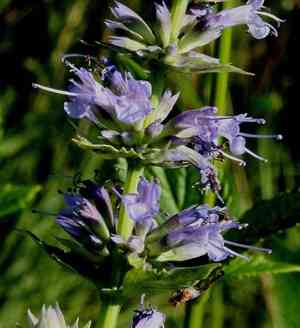
Purple giant hyssop (Agastache scrophulariifolia)
Also known as: Purple Giant Hyssop
Purple giant hyssop (Agastache scrophulariifolia) is a perennial plant that produces lavender-pink, tubular flowers in the summer. It attracts bees and butterflies with its nectar and provides seeds for various birds. This plant flourishes in full sun to partial shade and prefers moist, well-drained soil. Notably, it has green stems and the undersides of its leaves are also green.
In This Article
Attributes of Purple giant hyssop
Lifespan
Perennial
Plant Type
Herb, Shrub
Plant Height
91 cm to 1.8 m
Spread
40 cm
Leaf Color
Green
Flower Size
1/4 to 1/2 inch
Flower Color
Pink Purple White Yellow Green
Images of Purple giant hyssop
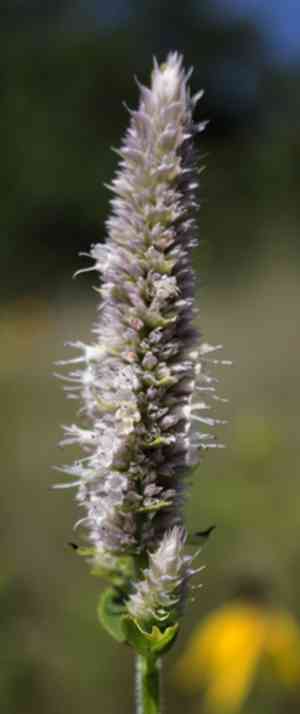
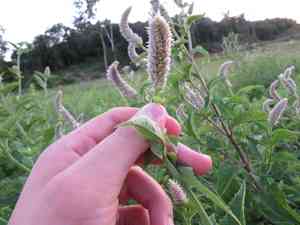
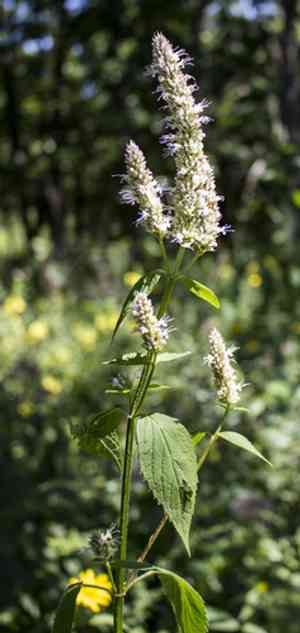
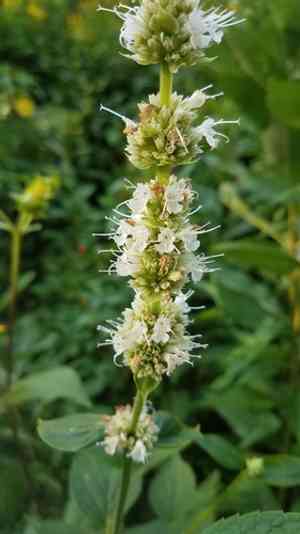
Quickly Identify Purple giant hyssop
1
Look for its distinctive square stems, opposite leaves with a toothed margin, and spikes of small purple flowers. The plant also emits a pleasant, minty fragrance when the leaves are crushed.
Scientific Classification of Purple giant hyssop
Phylum
Vascular plants
Class
Dicotyledons
Order
Lamiales
Family
Mint
Genus
Giant hyssops
Species
Purple giant hyssop
Planting and Growing of Purple giant hyssop
Care Difficulty
Easy
Watering Schedule
Every 2 days
Sunlight Requirements
Partial sun
Sunshine Duration
6-12 hours
Ideal Temperature
60-75℉
Soil Type
Potting Mix, Peat Mix
Soil pH
6.5-7.5
Fertilizer Type
Balanced
Pruning Season
Spring, Summer
Pruning Area
Branches, Leaves
Pruning Frequency
2 times a year
Repotting Season
Spring
Pot Type
Plastic, Ceramic
 How to Water Purple giant hyssop?
For Agastache scrophulariifolia, ensure that the soil is thoroughly moist but not waterlogged. Aim to provide around 500 ml of water per session, ensuring it penetrates deep into the roots, mimicking natural rainfall patterns.
What are the symptoms of an underwatered Purple giant hyssop?
›
What should I do if my Purple giant hyssop is not getting enough water?
›
What are the symptoms of an overwatered Purple giant hyssop?
›
How to save an overwatered Purple giant hyssop?
›
 What Are the Sunlight Requirements for Purple giant hyssop?
Agastache scrophulariifolia flourishes best with 'partial sun to full sun,' ideally in the range of 6-8 hours of daily exposure. These parameters support optimum flower production and dense foliage cover, crucial for both pollinator attraction and plant health.
Optimal Sun Exposure
›
Adjusting Light with Seasons
›
Balancing Light Variation
›
 What Is the Ideal Temperature Range for Purple giant hyssop?
Agastache scrophulariifolia thrives best in an ideal temperature range of 60 to 75 degrees Fahrenheit, where growth processes such as photosynthesis are optimized. Temperatures within this range encourage optimal root development and blooming, promoting the plant's overall health and vibrancy.
 What Soil is Best for Purple giant hyssop?
Agastache scrophulariifolia thrives in well-draining soil that prevents water logging, which can lead to root rot. Such soil allows air circulation and roots to breathe, promoting overall plant health. This plant prefers soil rich in organic matter like compost, which provides essential nutrients and improves soil texture. Nutrient-rich soil supports vibrant foliage and abundant flowering. The soil should retain adequate moisture without becoming soggy. This is crucial for consistent water availability, ensuring the plant doesn't experience stress from dehydration between watering sessions.
 How to Fertilize Purple giant hyssop?
For Agastache scrophulariifolia, it is important to apply a balanced amount of fertilizer to encourage optimal growth. Generally, use a light application, around 1 tablespoon of granular fertilizer per square foot of soil area. Avoid over-fertilizing as this can harm the plant.
 How to Prune Purple giant hyssop?
Begin by removing any dead or damaged stems. These can be identified by their brownish color or lack of new growth. Cutting them away allows the plant to focus its energy on healthy stems, improving overall vitality. Cut back young, leggy stems to just above a leaf node. This pruning stimulates new growth from below the cut, encouraging a fuller, bushier appearance and enhancing the plant’s vigor. Trim the plant into a pleasing shape, ensuring symmetry and balance. This not only improves the plant's aesthetics but also enhances air circulation around the foliage, reducing the risk of fungal infections.
More About Pruning Techniques→
 How to Propagate Purple giant hyssop plant?
1
Collect seeds from matured Agastache scrophulariifolia plants in late summer. Clean and dry them thoroughly before sowing in trays filled with a well-draining seed mix. Lightly cover the seeds with soil.
2
Select healthy stems and cut them into 4-6 inch segments. Remove the lower leaves and dip the cut end in rooting hormone before placing them in a potting mix. Water lightly and cover with a plastic bag to maintain humidity.
3
During early spring, dig up mature plants and divide the root ball into smaller sections. Ensure each section has roots and shoots. Replant immediately into well-prepared soil and water thoroughly.
 How to Repot Purple giant hyssop plant?
1
Agastache scrophulariifolia signals its need for repotting when its roots start to outgrow the current pot. This plant generally prefers repotting in spring or autumn, when it's most resilient to change. Look for roots poking out of the drainage holes or stunted growth as signs it’s time to repot.
2
Choose a pot that is one size larger than the current one, ensuring it has sufficient drainage holes. The extra space will allow the roots to expand comfortably, promoting healthier growth. Using a pot with good drainage helps prevent waterlogging, which is vital since this plant prefers drier conditions.
3
Select a well-draining potting mix that replicates Agastache's natural habitat. A combination of loamy soil with sand or perlite is ideal, as it allows for adequate aeration and drainage. This type of soil helps prevent root rot, providing the roots with the air and nutrients they need.
Learn More About Purple giant hyssop Diseases
Anthracnose
Bacterial Leaf Spot
Bacterial Soft Rot
Bacterial Wilt
Chemical Injury
Crown Gall
Damping-off
Downy Mildew
Drought Stress
Fusarium Wilt
Gray Mold
Leaf Spot
Mosaic
Nutrient Deficiency
Nutrient Toxicity
Powdery Mildew
Root Rot
Root-knot Nematode
Rusts
Sooty Mold
Spider Mites
Temperature Stress
Thrips Damage
White Mold



