The Purple giant hyssop Plant Advantage: Maximizing Home and Office Appeal and Wellness
1
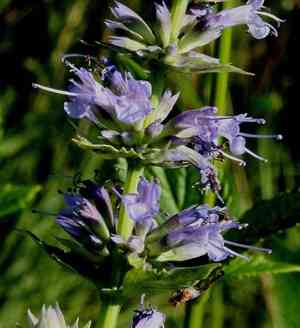
Purple giant hyssop draws in helpful pollinators such as bees and butterflies.
2
Its fragrant foliage is suitable for cooking and brewing teas.
3
This plant is simple to cultivate and needs little upkeep.
The Ecological Significance of Purple Giant Hyssop
Attracting Beneficial Insects
Purple giant hyssop is widely recognized for its capacity to draw in various helpful pollinators, such as bees, butterflies, and even hummingbirds. These pollinators are vital to the ecosystem, aiding the prosperity of diverse plants in your garden. By cultivating Purple giant hyssop, you not only enhance your garden's beauty but also support the local ecosystem's health and sustainability.
Fostering Biodiversity
Incorporating Purple giant hyssop into your garden can significantly enhance biodiversity. This perennial herbaceous plant establishes an inviting habitat for numerous insects and small wildlife. Its late-season blooms offer nectar when other flowers have ceased, providing a crucial food source for pollinators preparing for winter. The presence of these pollinators also assists in the pollination of nearby plants, fostering a more diverse and robust garden.
Purple Giant Hyssop: A Culinary Delight
Fragrant Foliage
A prominent characteristic of Purple giant hyssop is its aromatic leaves, which can be harvested and utilized in numerous culinary preparations. The leaves possess a minty, slightly licorice-like flavor, making them an excellent addition to teas, salads, and even desserts. By integrating these leaves into your daily meals, you can impart a unique zest while savoring the plant's natural fragrance.
Diverse Culinary Applications
The culinary uses of Purple giant hyssop are extensive. Its leaves can be dried and employed as herbs, while fresh leaves can be chopped and added to dishes for an immediate flavor boost. The flowers of Purple giant hyssop are also edible and can be used to adorn desserts or add a splash of color to salads. This adaptability makes it an essential for any kitchen garden.
Cultivating Purple Giant Hyssop in Your Garden
Ideal Growing Conditions
Purple giant hyssop is known for its hardiness and ease of cultivation, even for beginner gardeners. It thrives in well-drained soil and prefers full sun but can endure partial shade. The plant is drought-tolerant once established, making it a low-maintenance choice for those with busy schedules. Watering should be moderate, and the plant benefits from occasional deadheading to encourage extended blooming.
Common Pests and Diseases
While Purple giant hyssop exhibits considerable resistance to pests and diseases, it's always wise to be prepared for potential issues. Common pests include aphids and spider mites, which can be managed with natural insecticidal soaps or neem oil. Overwatering or inadequate drainage can lead to root rot, so ensure your planting site has proper drainage and avoid excessive irrigation.
Integrating Purple Giant Hyssop into Your Garden Design
Designing a Pollinator Haven
If your goal is to attract more pollinators, consider planting Purple giant hyssop alongside other nectar-rich plants like coneflowers, bee balm, and lavender. Grouping these plants can create a vibrant, pollinator-friendly garden that benefits both your backyard and the wider ecosystem. The tall, purple spires of Purple giant hyssop add vertical interest and a burst of color that stands out in any garden design.
Utilizing Purple Giant Hyssop in Container Plantings
Purple giant hyssop also flourishes in container gardens, making it a versatile option for those with limited space. Plant it in a large pot with well-draining soil and position it in a sunny spot on your patio or balcony. The fragrant leaves and attractive flowers will brighten any small area and provide convenient access for culinary purposes.



