Grey knight
Tricholoma terreum
A species of Tricholoma.
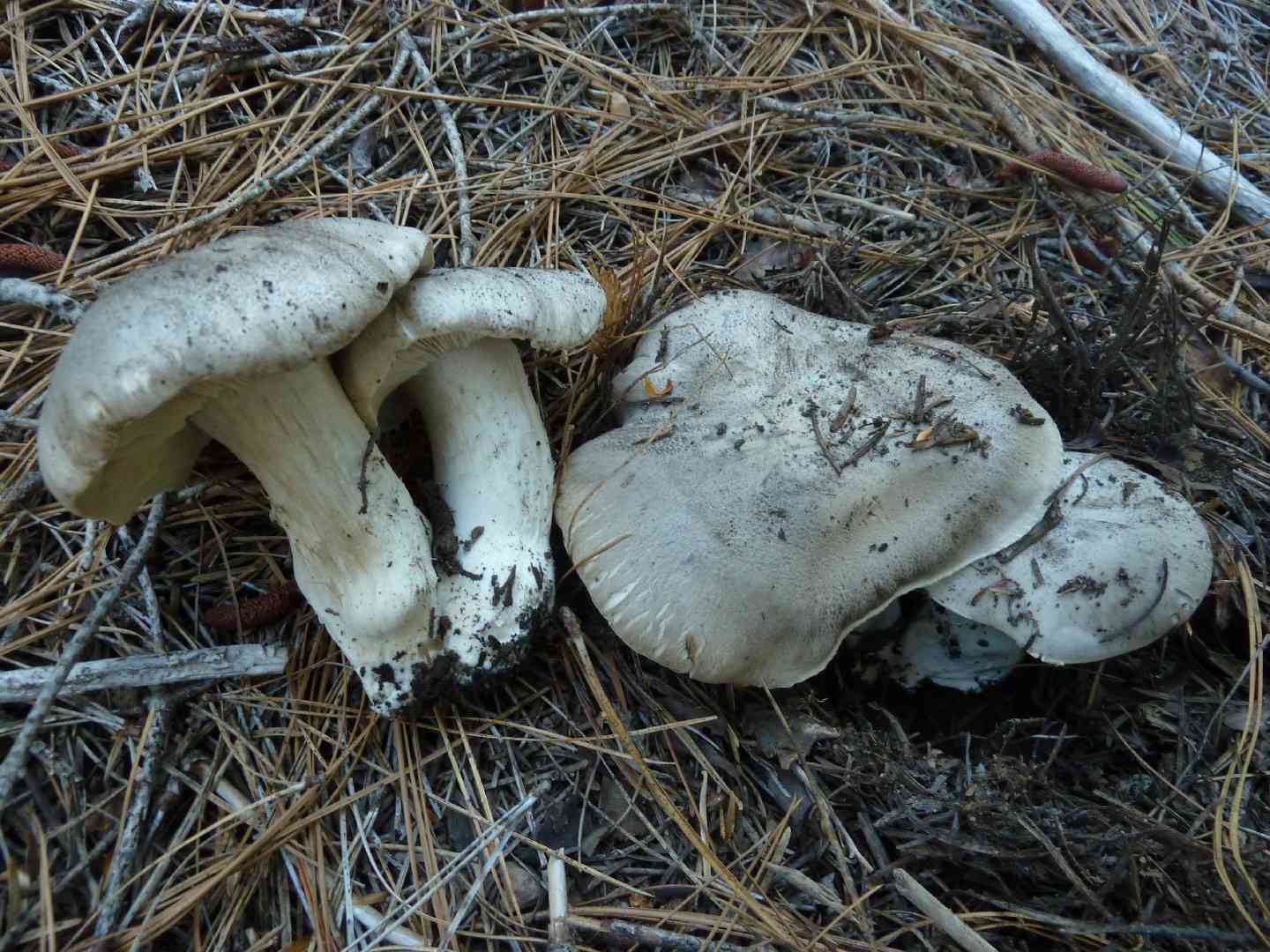
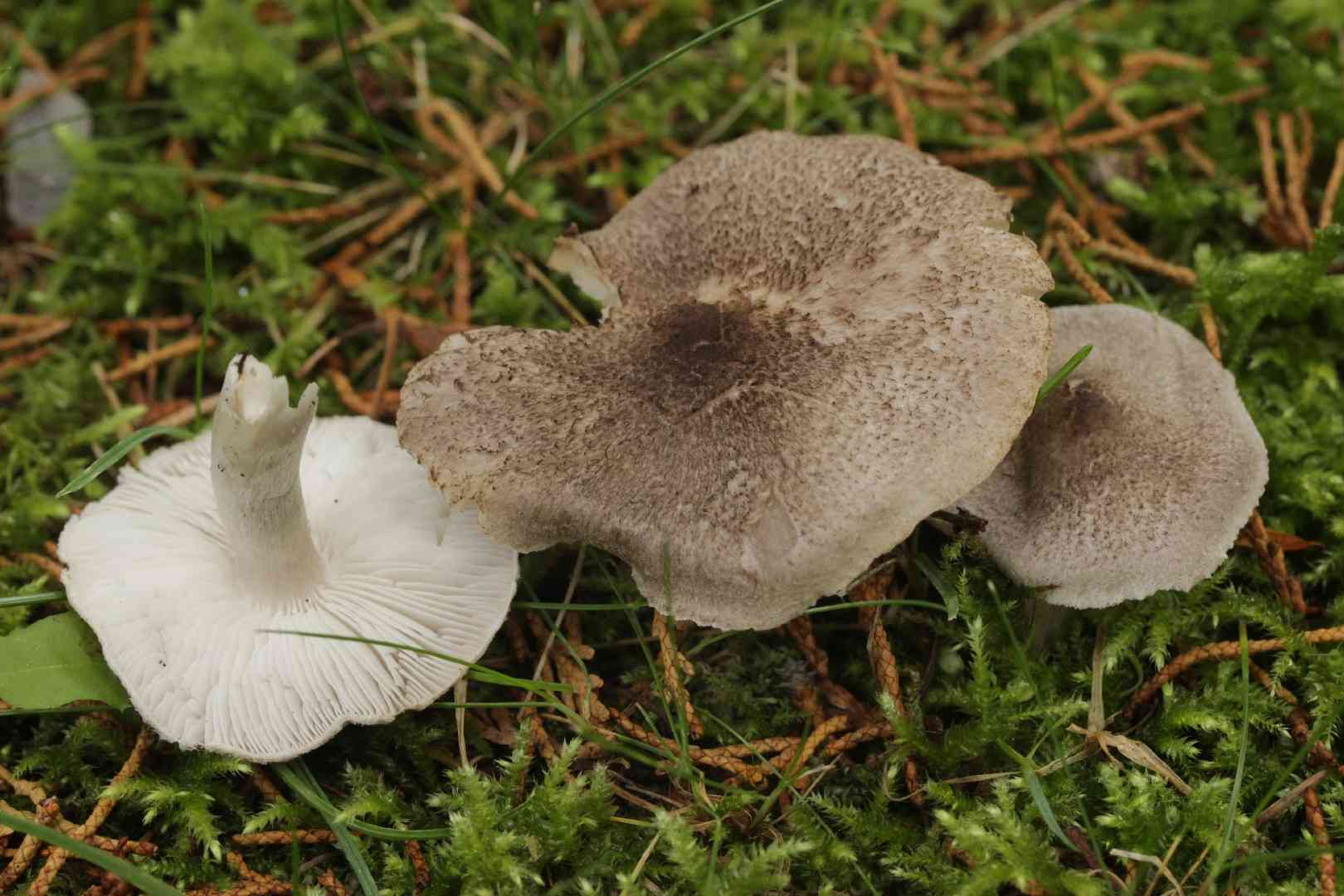
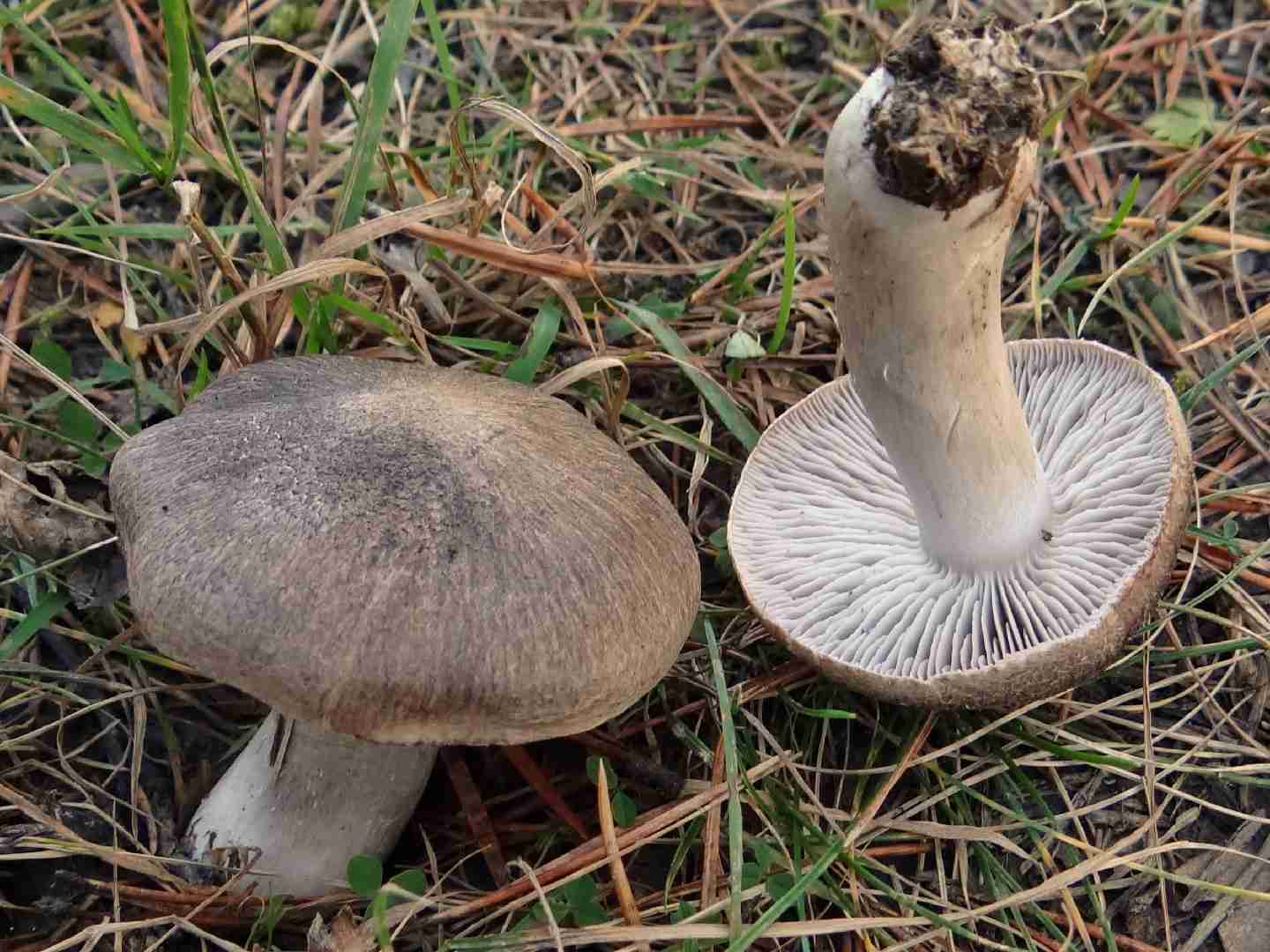
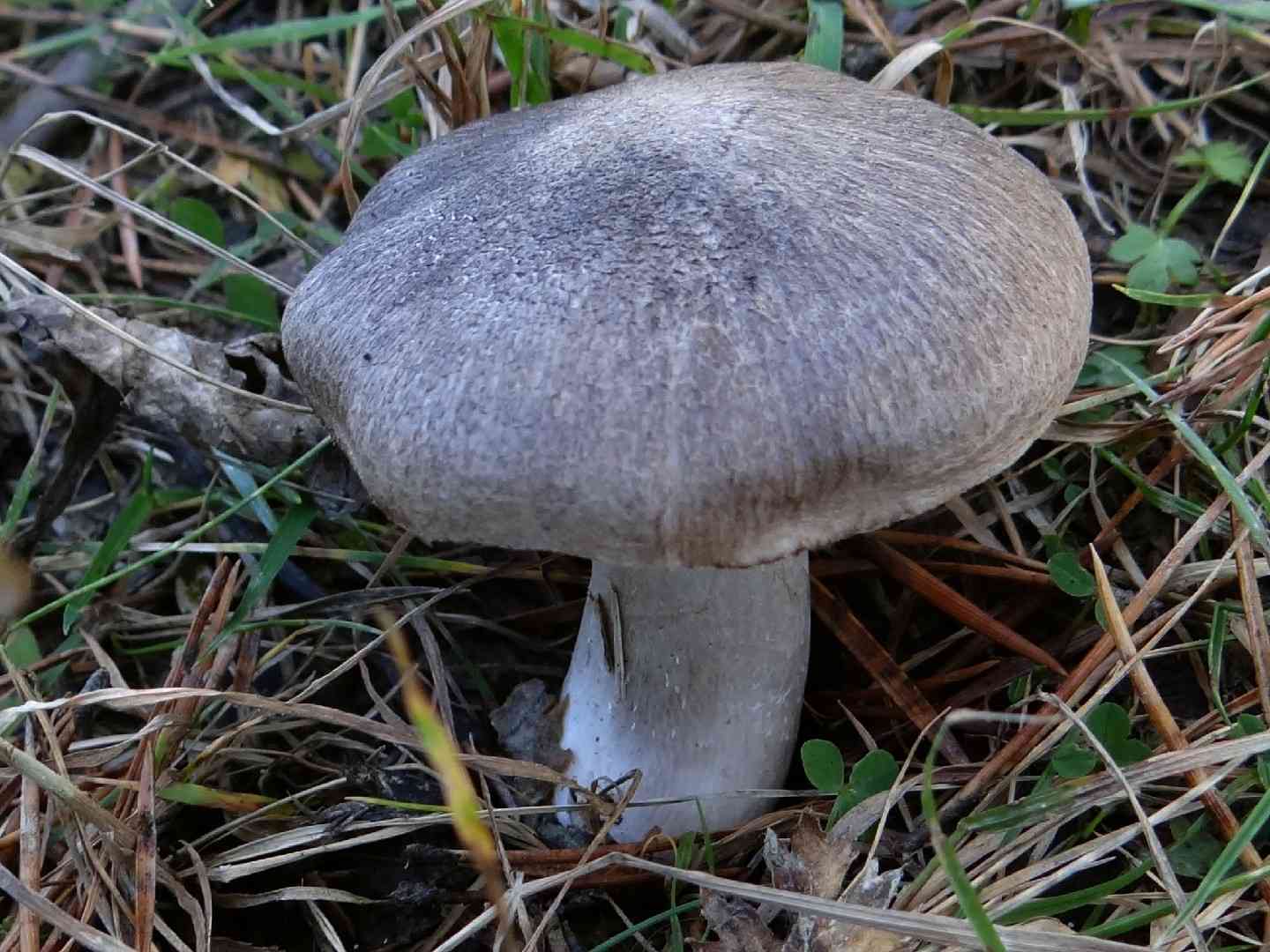
The grey knight mushroom, recognizable by its broad cap, thrives predominantly in coniferous forests, often found in clustered formations on the ground. It is strongly advised against consuming these mushrooms due to the presence of a toxin that can lead to kidney damage if ingested repeatedly. Furthermore, identifying them poses a significant challenge, as they bear a striking resemblance to other grey and grey-brown mushroom species that are considerably more acutely poisonous.
In This Article
Attributes of Grey knight
Cap Diameter
3 - 10 cm
Height
3 - 6 cm
Cap
Cap 4 - 8 cm across; convex, broadly bell-shaped; gray, brown; dry, finely
Cap Shape
Convex, Bell-shaped, Flat, Central Bump
Cap Surfaces
Fibrillose-scaly
Gills
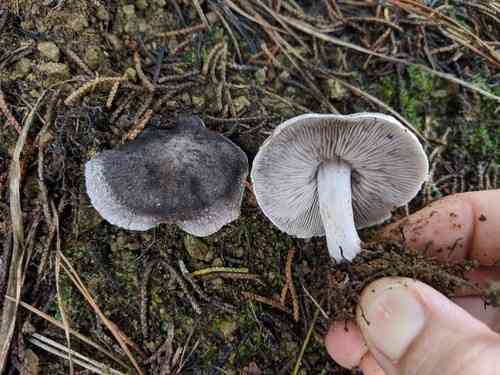
Attached to the stem by a notch; close; grayish
Gill Attachment
Notched
Stem
Stem 3 - 5 cm long, 1 - 1.5 cm thick; equal; whitish; bald, dry
Stem Shapes
Cylindrical
Stem Surfaces
Smooth
Flesh
White, unchanging when sliced
Ring
Ringless
Spore Print Color
White
Odor
Mildly mushroomy but not distinctive.
Body Color
BrownGrayWhite
Flesh Bruises
The flesh or milk does not discolor when bruised or cut.
Growth Form
Scattered, Gregarious
Nutrient Gathering
Mycorrhizal
Substrate
On soil
You can find Grey knight by these plants
Common douglas-fir, Pines, Spruces
Occurence Habitats
Coniferous Woodland
Species Status
More common and widespread
Endangered Species
No
Scientific Classification of Grey knight
Phylum
Club fungi
Class
Mushroom-forming fungi
Order
Gilled fungi
Family
Pale-spore mushrooms
Genus
Tricholoma
Toxicity and Edibility of Grey knight
Is Grey knight Toxic?
Due to potential toxicity, it is advisable to avoid the Grey knight mushroom.