Yellowing knight
Tricholoma scalpturatum
A species of Tricholoma.
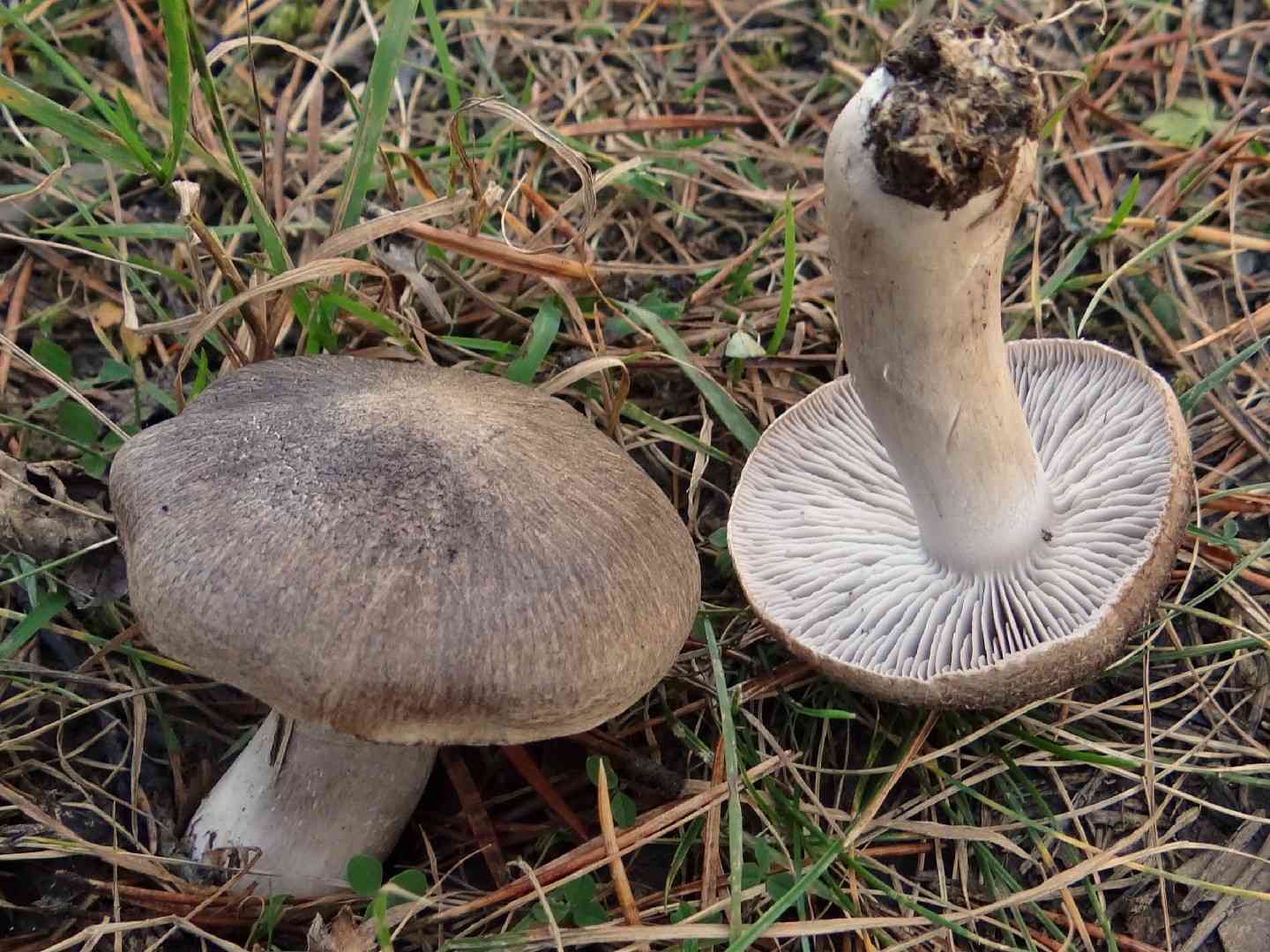
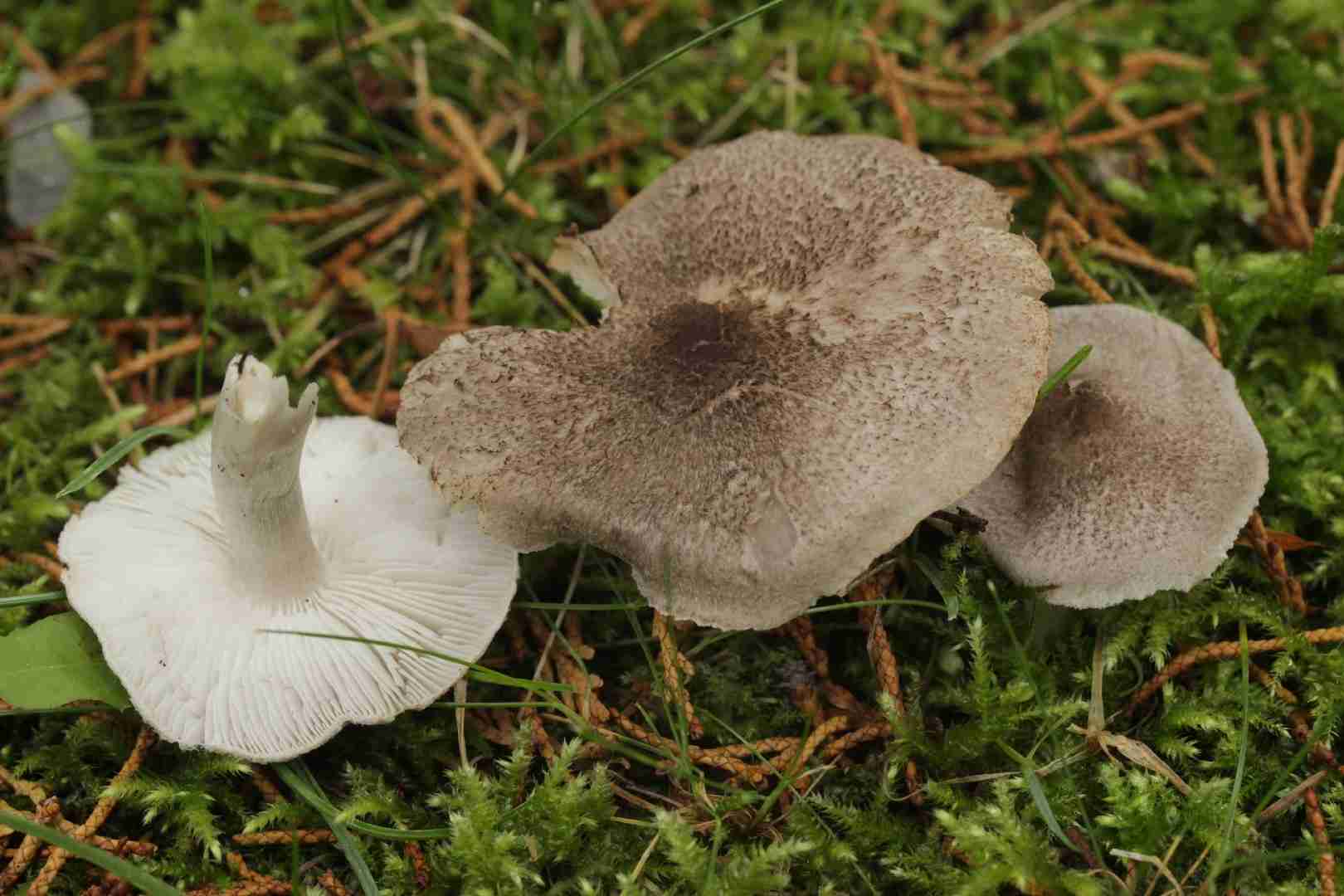
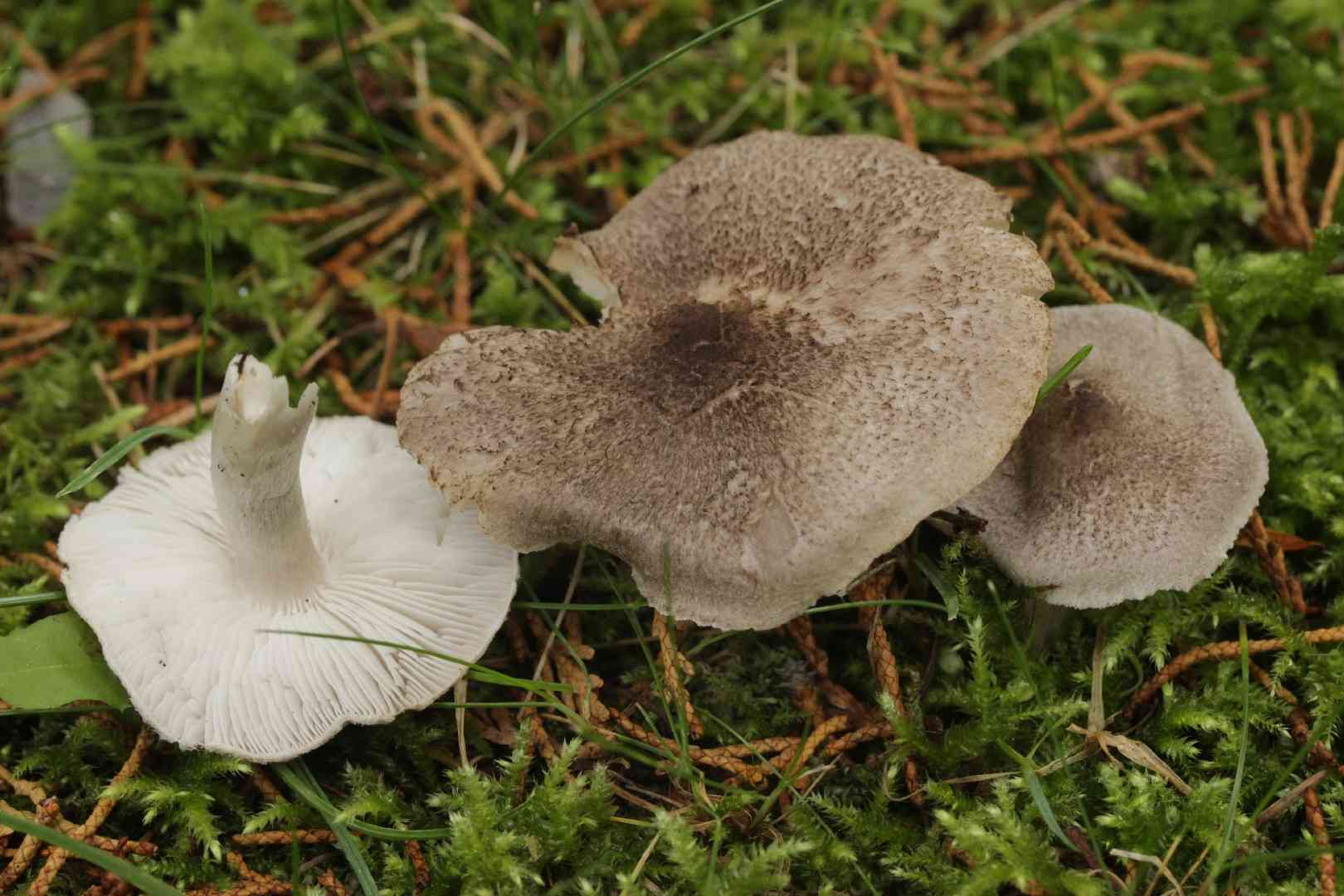
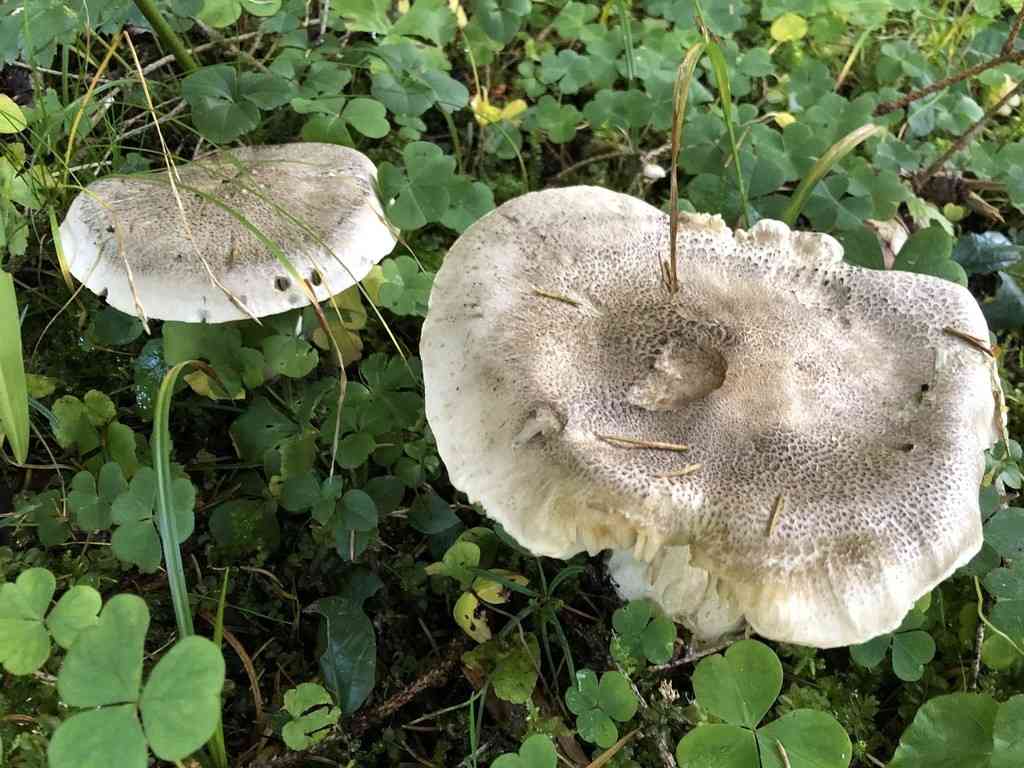
The Yellowing Knight (Tricholoma scalpturatum) is a frequently encountered forest fungus distinguished by its strong flour-like scent. Typically, it can be found growing beneath oak trees. The name tricholoma describes its hairy-edged characteristic, while scalpturum denotes its etched or engraved appearance, referring to the scales on its cap.
In This Article
Attributes of Yellowing knight
Cap Diameter
4 - 8 cm
Height
4 - 8 cm
Cap
Cap 3 - 7 cm broad; convex, expanding to plane; blackish-brown; margin with fibrils and scales, incurved, becoming decurved, occasionally wavy, upturned in age
Cap Shape
Convex, Flat
Cap Surfaces
Fibrillose-scaly
Gills
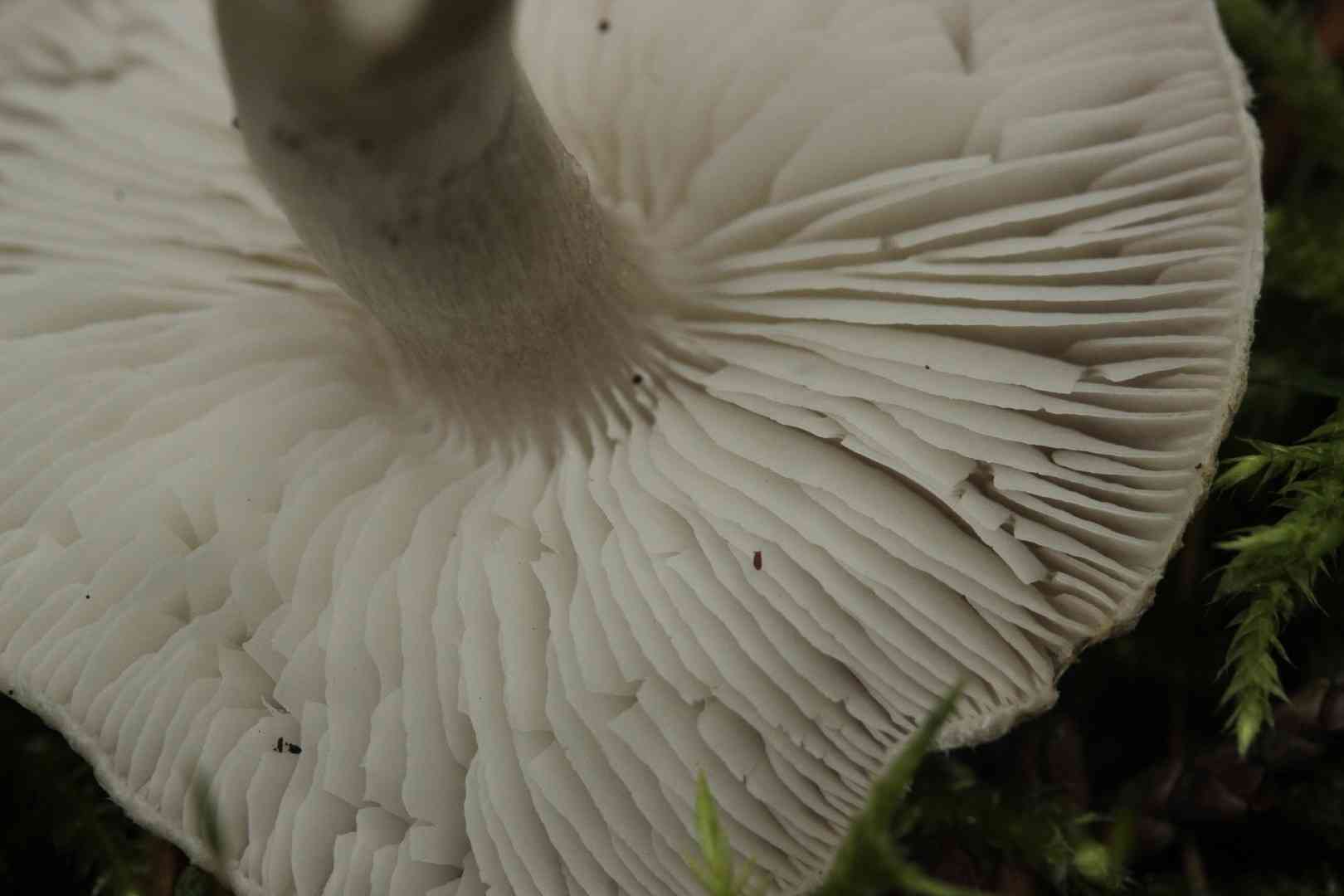
Sinuate; crowded, maturing close; ash-grey to nearly white in age, sporadically tawny-yellowish in old specimens
Gill Attachment
Notched
Stem
20-60 x 10-25 mm broad; cylindrical, straight, solid to hollow in age, equal to enlarged at apex; white; with fibrils
Stem Shapes
Cylindrical
Stem Surfaces
Fibrillose
Flesh
5 - 7 mm in thickness near stipe; soft; white, greyish beneath the cuticle; unchanging
Ring
With Ring Zone
Spore Print Color
White
Odor
Mealy fragrance, becomes rancid with age.
Body Color
BrownBlackGrayWhite
Flesh Bruises
The flesh or milk does not discolor when bruised or cut.
Growth Form
Solitary, Gregarious
Nutrient Gathering
Mycorrhizal
Substrate
On soil
You can find Yellowing knight by these plants
Pines, Spruces, Oaks
Occurence Habitats
Mixed Woodland, Deciduous Woodland
Species Status
Common
Endangered Species
No
Scientific Classification of Yellowing knight
Phylum
Club fungi
Class
Mushroom-forming fungi
Order
Gilled fungi
Family
Pale-spore mushrooms
Genus
Tricholoma
Toxicity and Edibility of Yellowing knight
Is Yellowing knight Toxic?
This yellowish knight could be quite poisonous, so it's wise to avoid this fungus.