Greater toothed cup
Tarzetta catinus
A species of Tarzetta.
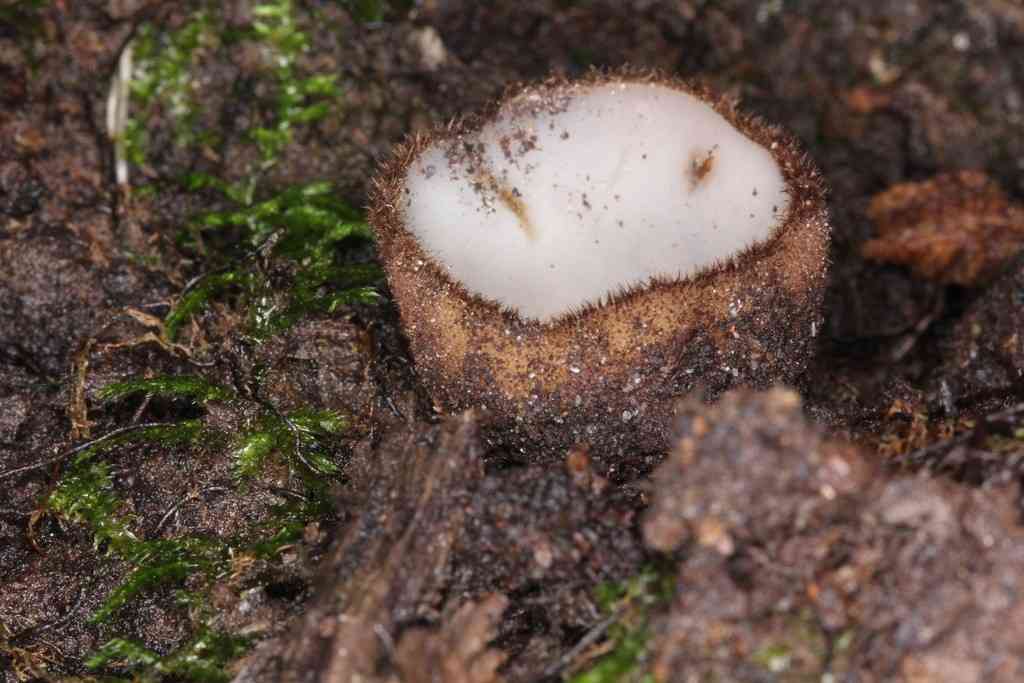
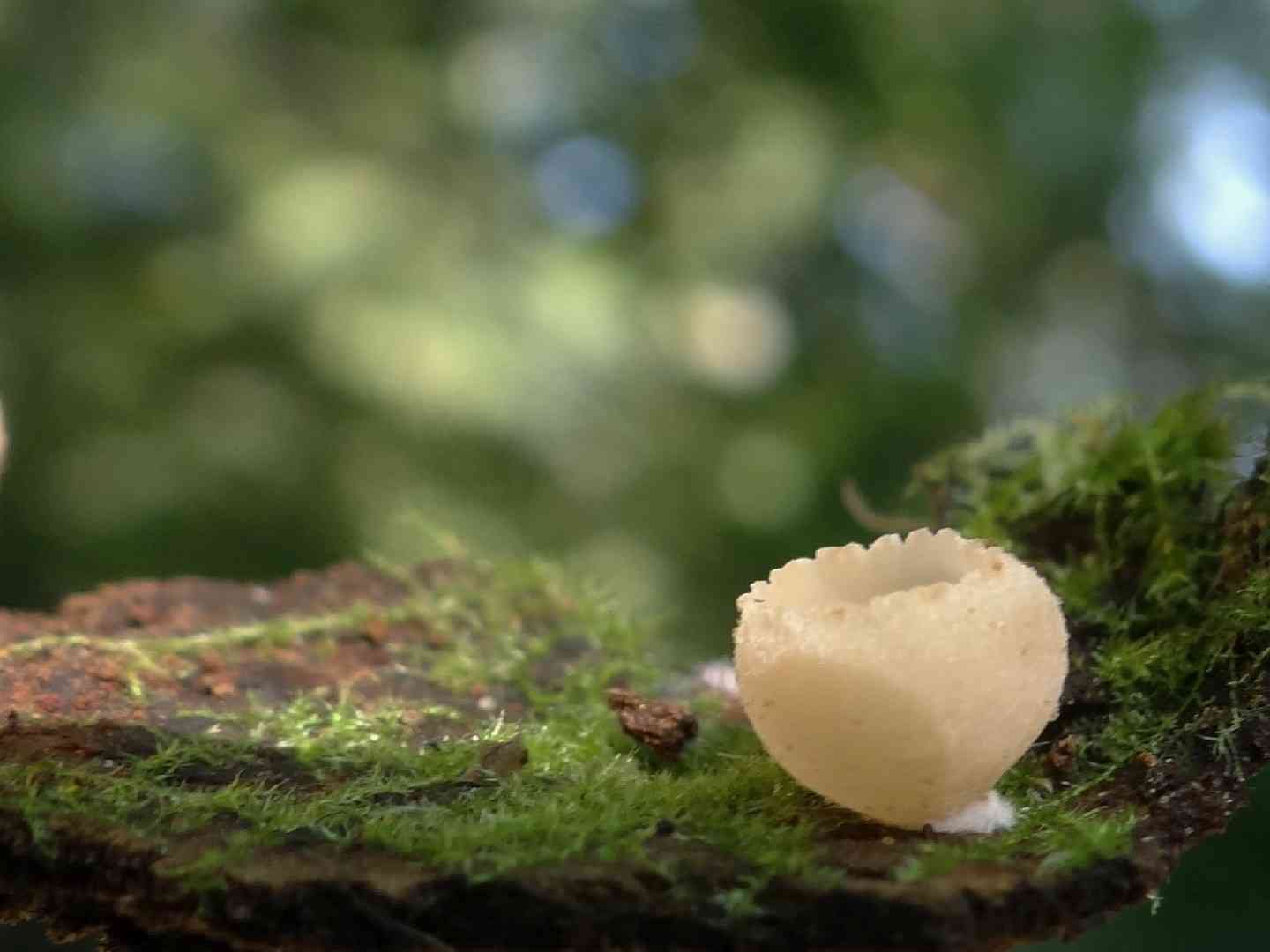
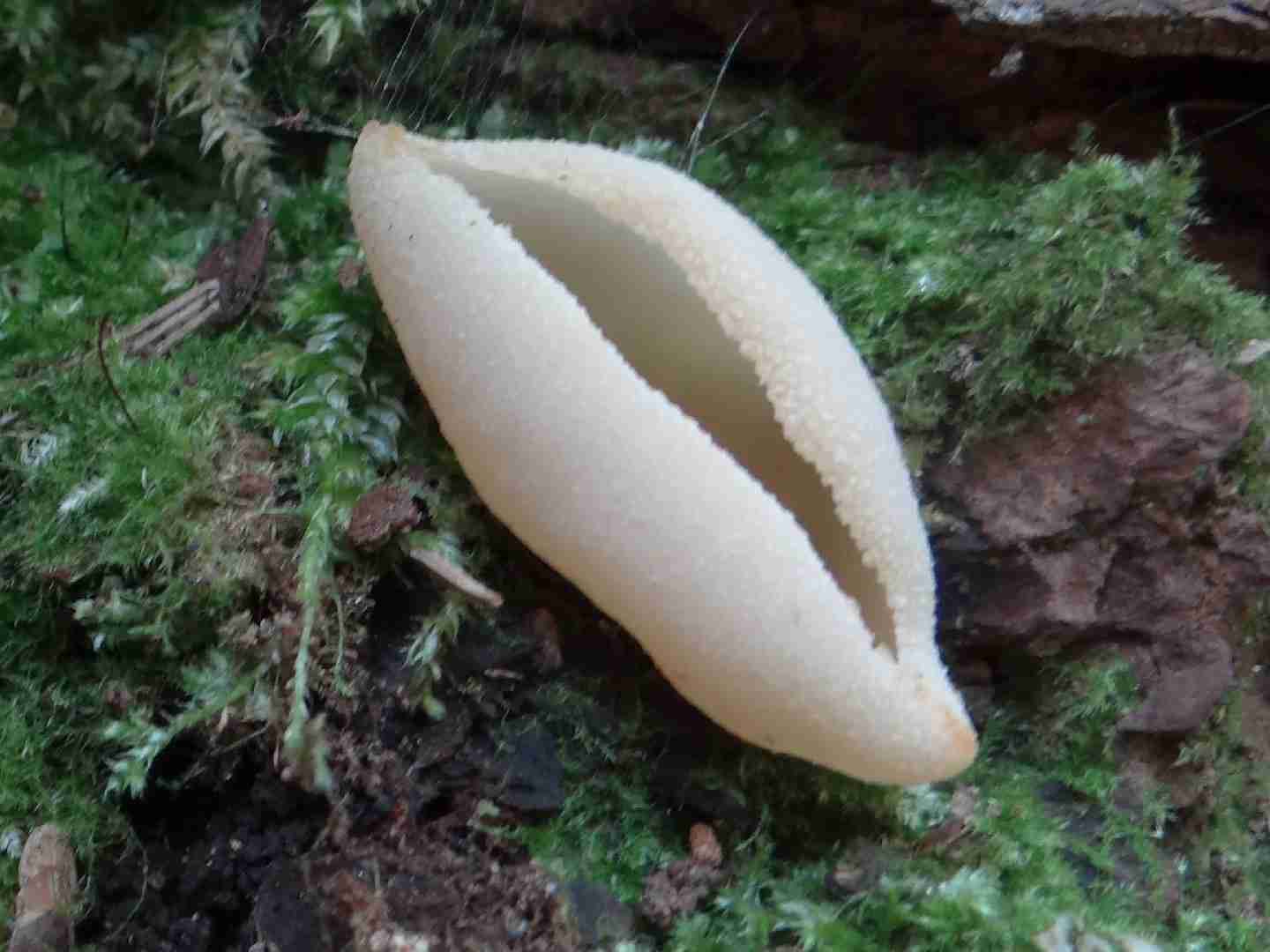
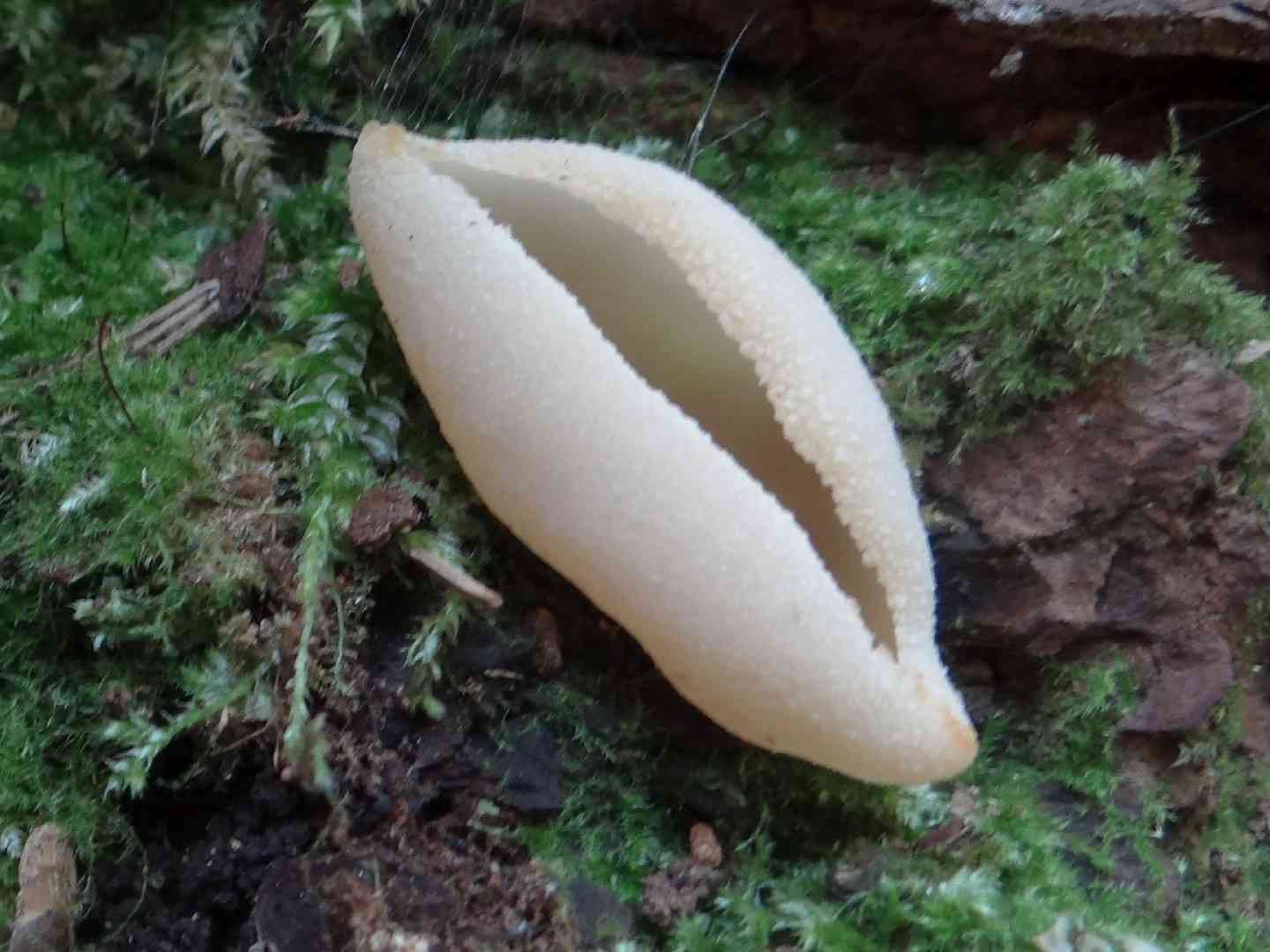
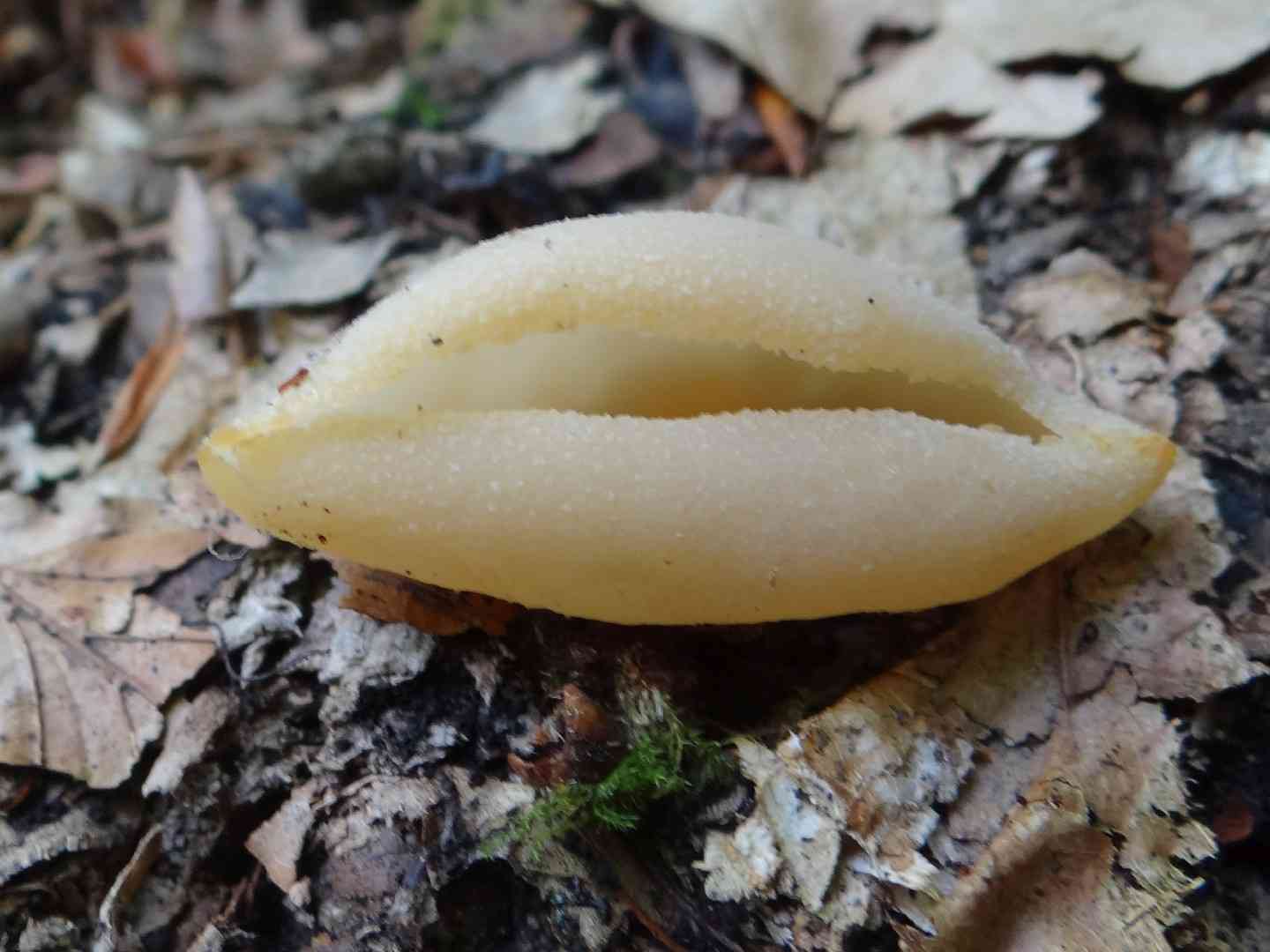
Typically, the greater toothed cup produces petite, goblet-shaped fruiting bodies, which range in hue from a light cream to various shades of brown. These fungi are commonly observed in calcareous-rich soils, often inhabiting grassy fields or wooded areas. The external texture of the greater toothed cup can be either smooth or subtly furrowed, and its internal structure is delicate. It is characteristic for these mushrooms to emerge during the spring season.
In This Article
Attributes of Greater toothed cup
Cap Diameter
1 - 5 cm
Height
1.5 - 2.5 cm
Cap
Up to 5 cm across; cup; pale cream to ocher-brown; with a toothed or serrated margin
Stem
Short, central
Flesh
Thin; waxy, brittle; whitish
Ring
Ringless
Spore Print Color
White, with a slight yellowish tinge
Odor
Mildly mushroomy but not distinctive.
Body Color
Cream
Flesh Bruises
The flesh or milk does not discolor when bruised or cut.
Growth Form
Gregarious
Nutrient Gathering
Saprophytic
Substrate
On soil, Dead Woods, Wood Chips or Mulch
Occurence Habitats
Deciduous Woodland
Species Status
Uncommon but widespread across Britain and Ireland
Endangered Species
No
Scientific Classification of Greater toothed cup
Phylum
Sac fungi
Class
Pezizomycetes
Order
Pezizales
Family
Pyronemataceae
Genus
Tarzetta
Toxicity and Edibility of Greater toothed cup
Is Greater toothed cup Toxic?
Toxicity information is not available for this mushroom. Always consult with an expert before consuming any wild mushrooms.