Veined shield
Pluteus thomsonii
A species of Pluteus.
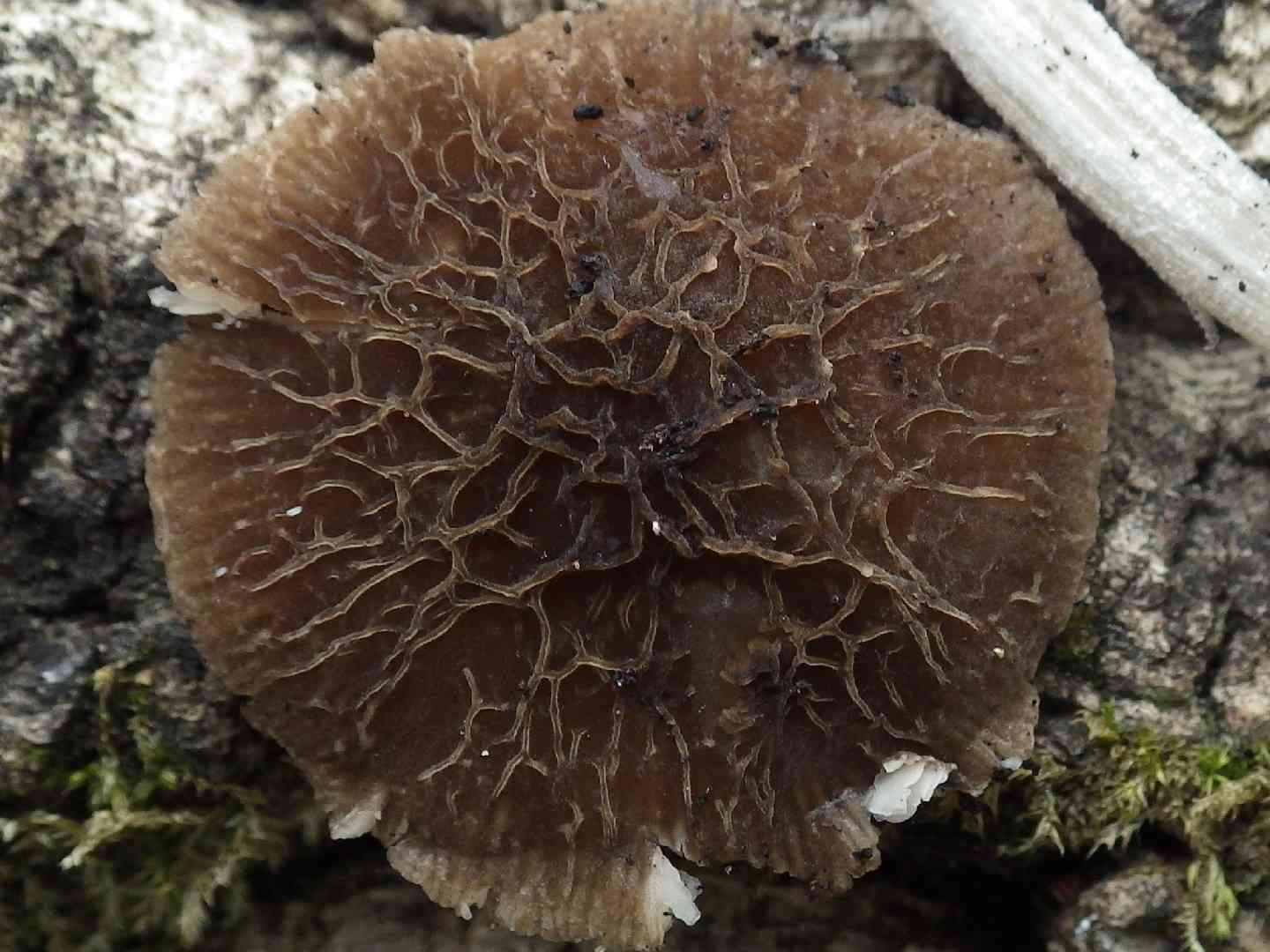
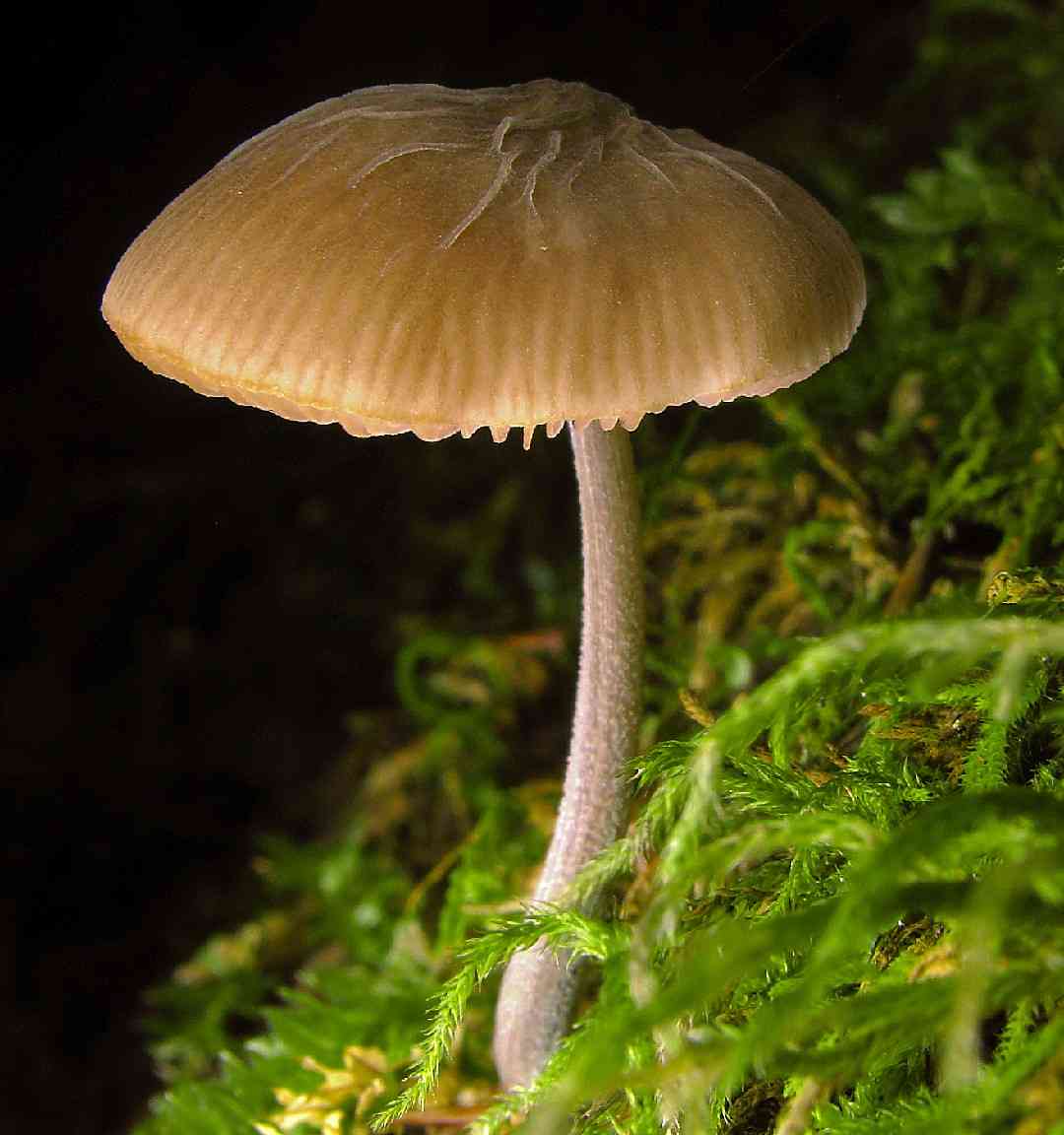
The Veined Shield is a recognizable fungus often encountered in woodlands, typically growing on decomposing timber. It is characterized by its uniquely veined lamellae and a cap that can display a range of hues. A key attribute for its family is that its gills do not attach to the stipe. Furthermore, this species produces a spore print with a pinkish tint, which aids in its identification.
In This Article
Attributes of Veined shield
Cap Diameter
1 - 3 cm
Height
4 - 8 cm
Cap
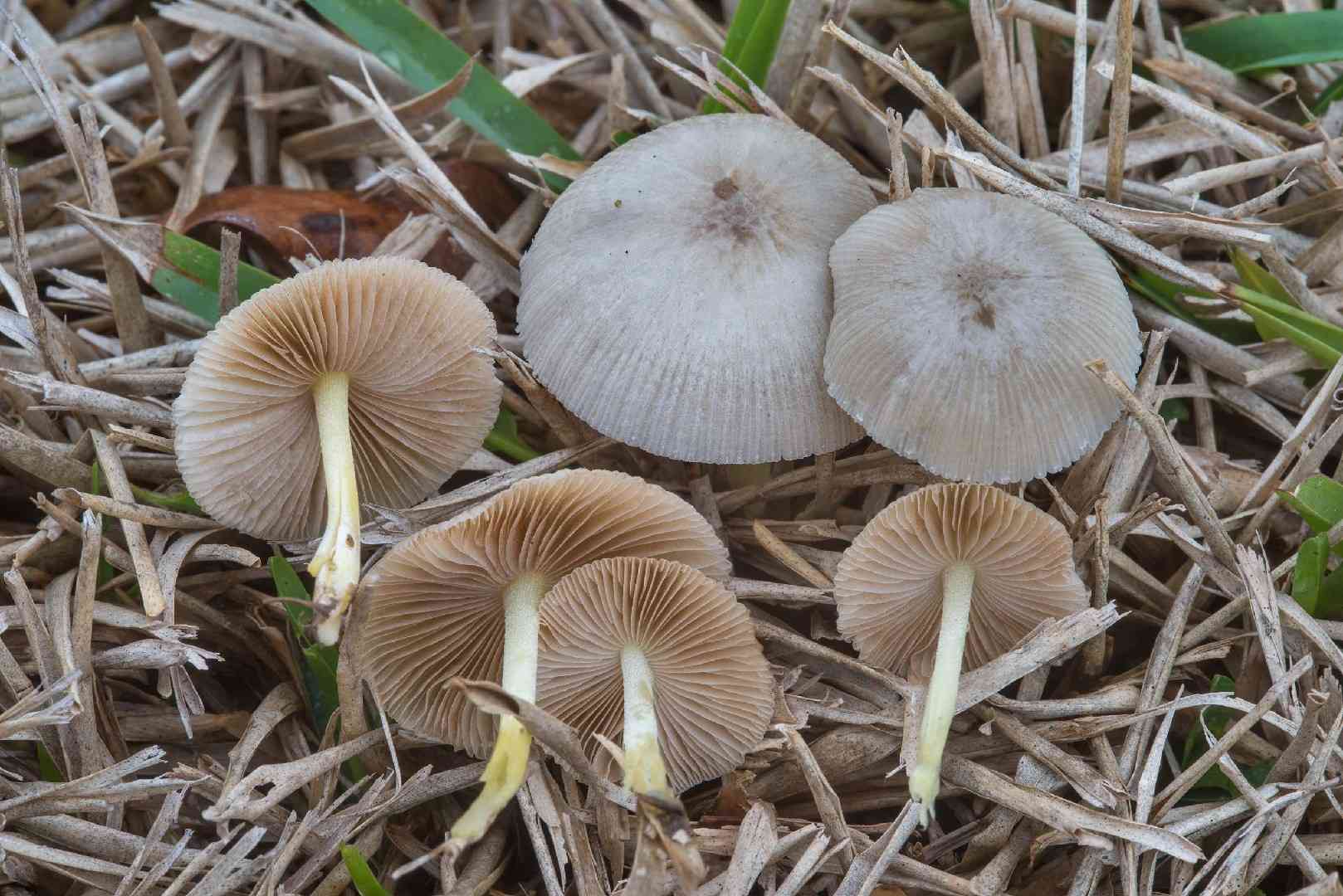
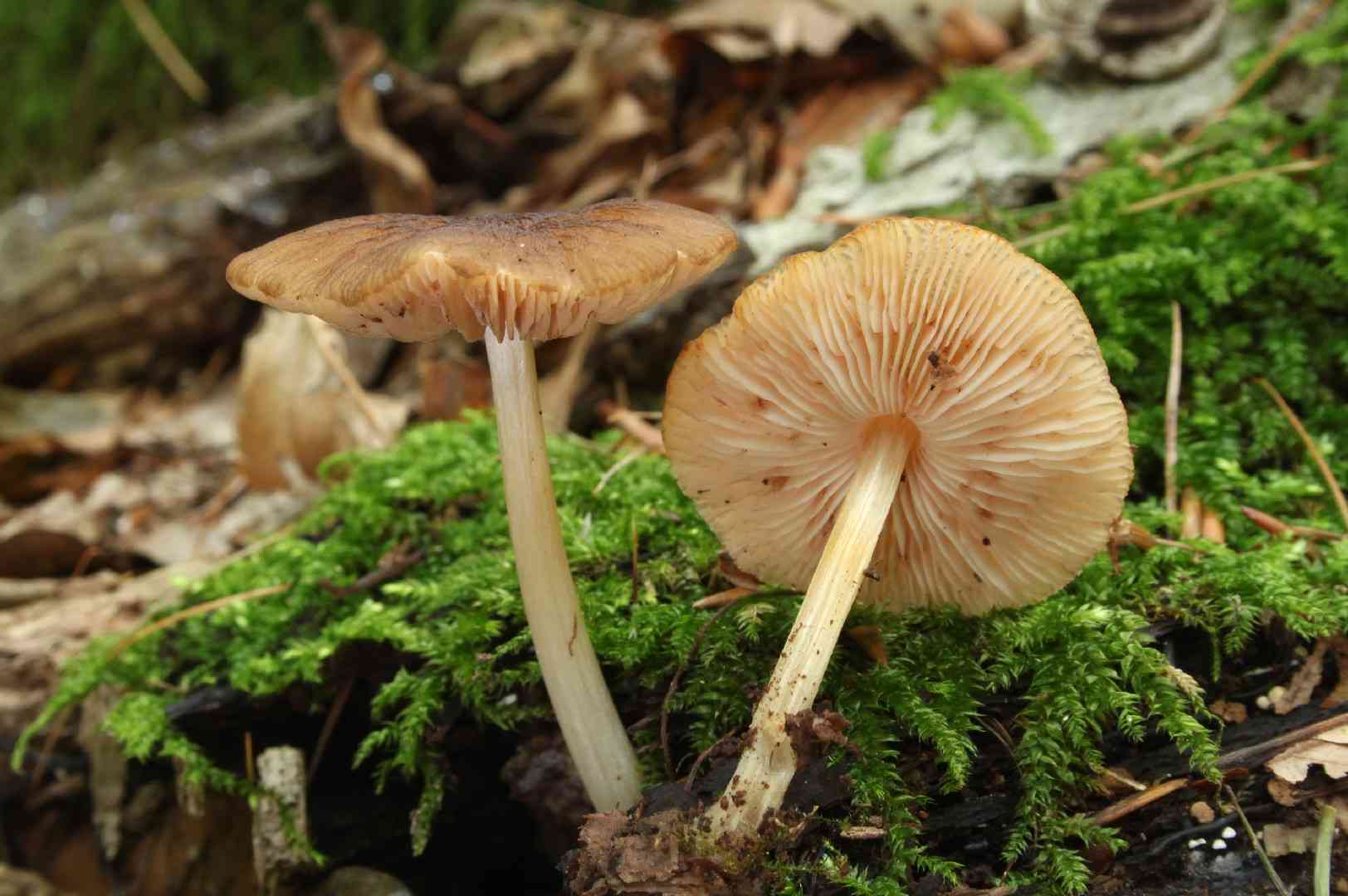
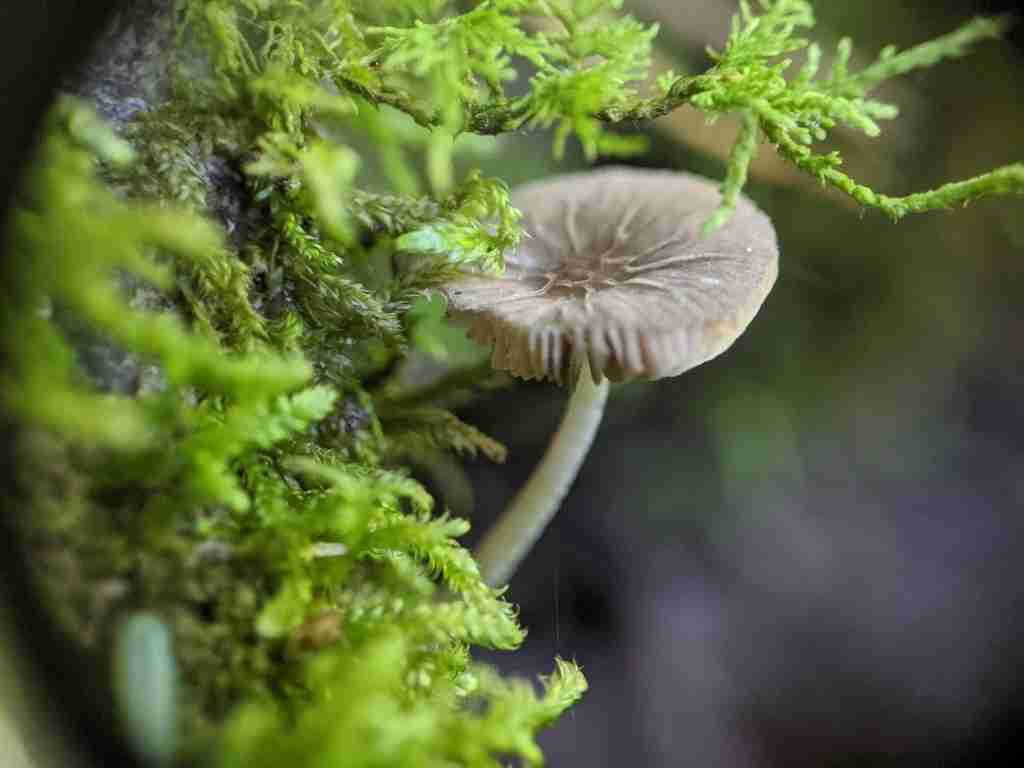
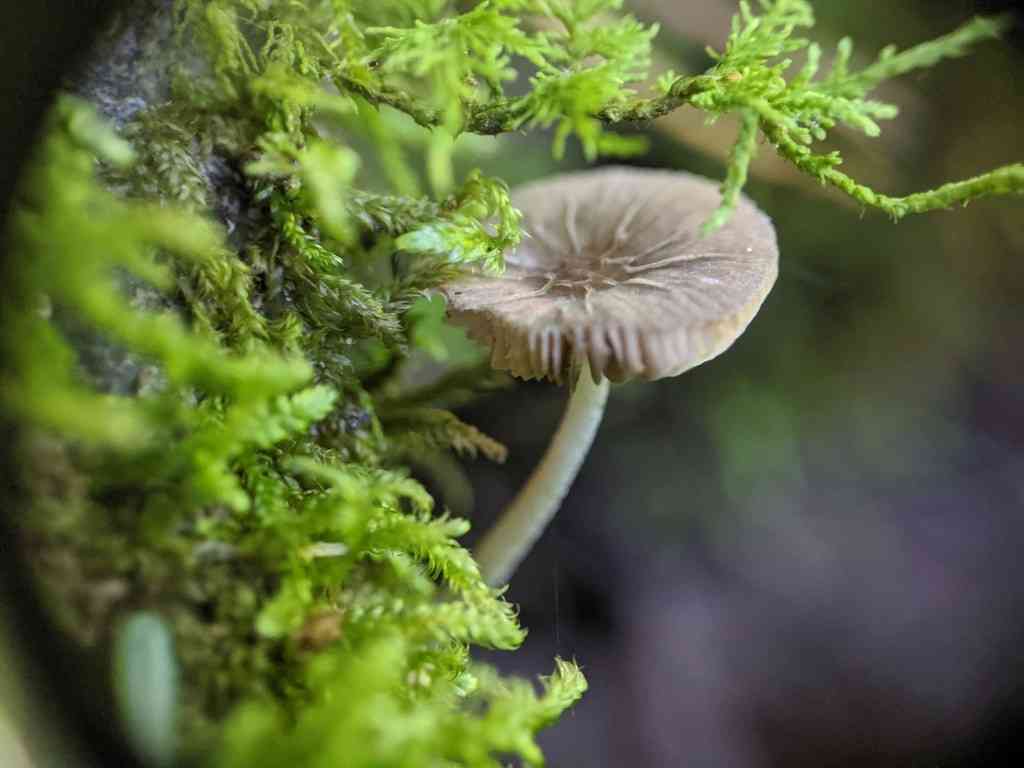
Cap 1 - 3 cm across; convex, becoming flat to shallowly umbonate; buff to brown or dark reddish brown; dry, smooth, or with a veinlike network, at the center particularly
Cap Shape
Convex, Flat, Central Bump
Cap Surfaces
Smooth, Visible lines or stripes
Gills
Free; close; whitish at first, becoming pinkish
Gill Attachment
Free
Stem
Stem 3 - 5 cm long, 1 - 4 mm thick; equal, fragile; whitish, becoming gray to brownish from the base upward; bald or silky
Stem Shapes
Cylindrical
Stem Surfaces
Smooth
Flesh
Insubstantial; whitish; unchanging when sliced
Ring
Ringless
Spore Print Color
Pink
Odor
Mildly mushroomy, nondescript.
Body Color
BrownGrayWhite
Flesh Bruises
The flesh or milk does not discolor when bruised or cut.
Growth Form
Solitary, Gregarious
Nutrient Gathering
Saprophytic
Substrate
Dead Woods
You can find Veined shield by these plants
Hairy willowherb
Occurence Habitats
Deciduous Woodland
Species Status
Widely distributed in eastern North America
Endangered Species
No
Scientific Classification of Veined shield
Phylum
Club fungi
Class
Mushroom-forming fungi
Order
Gilled fungi
Family
Pluteaceae mushrooms
Genus
Pluteus
Toxicity and Edibility of Veined shield
Is Veined shield Toxic?
Toxicity information is not available for this mushroom. Always consult with an expert before consuming any wild mushrooms.