Gilled bolete
Phylloporus rhodoxanthus
A species of Phylloporus.
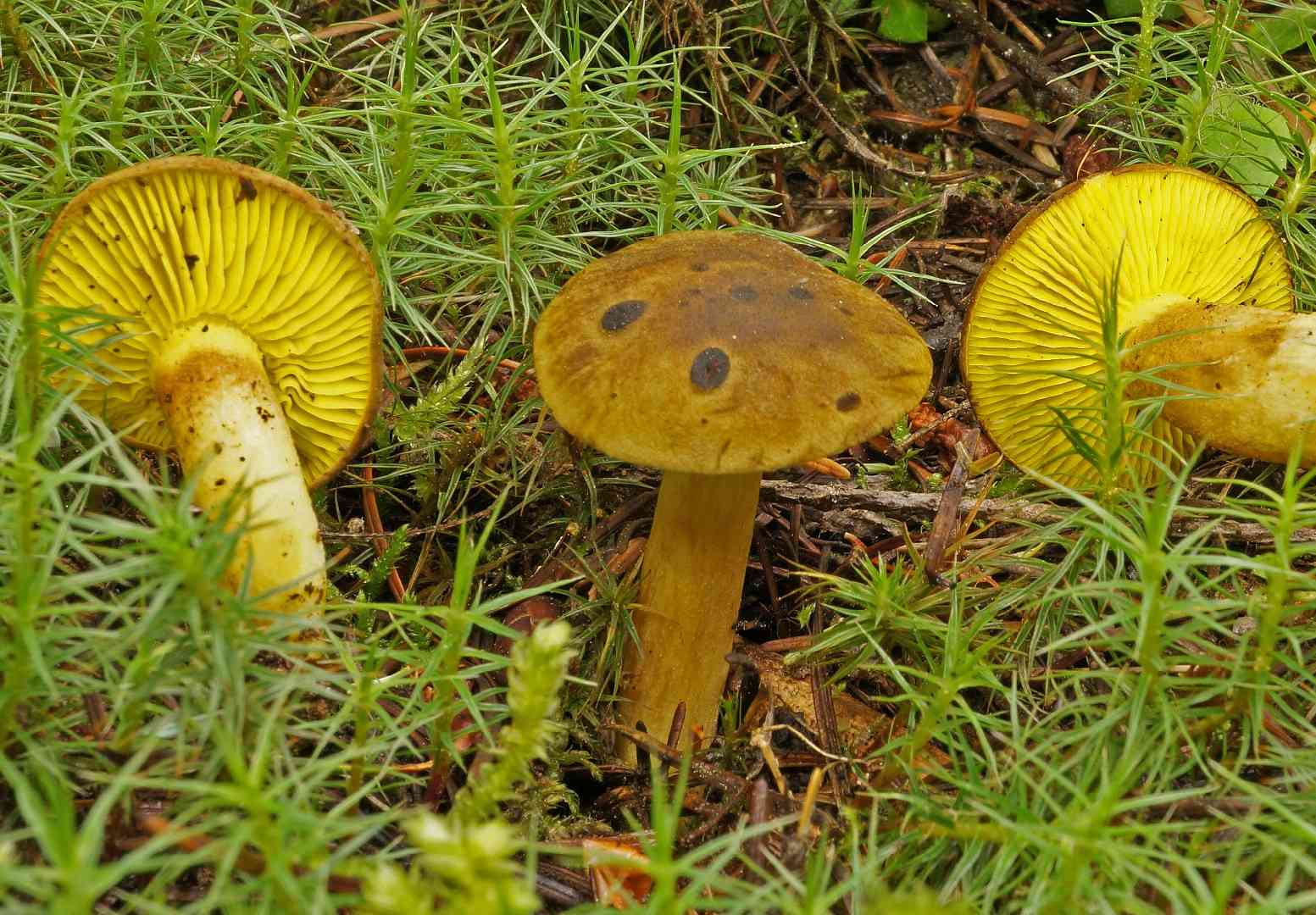
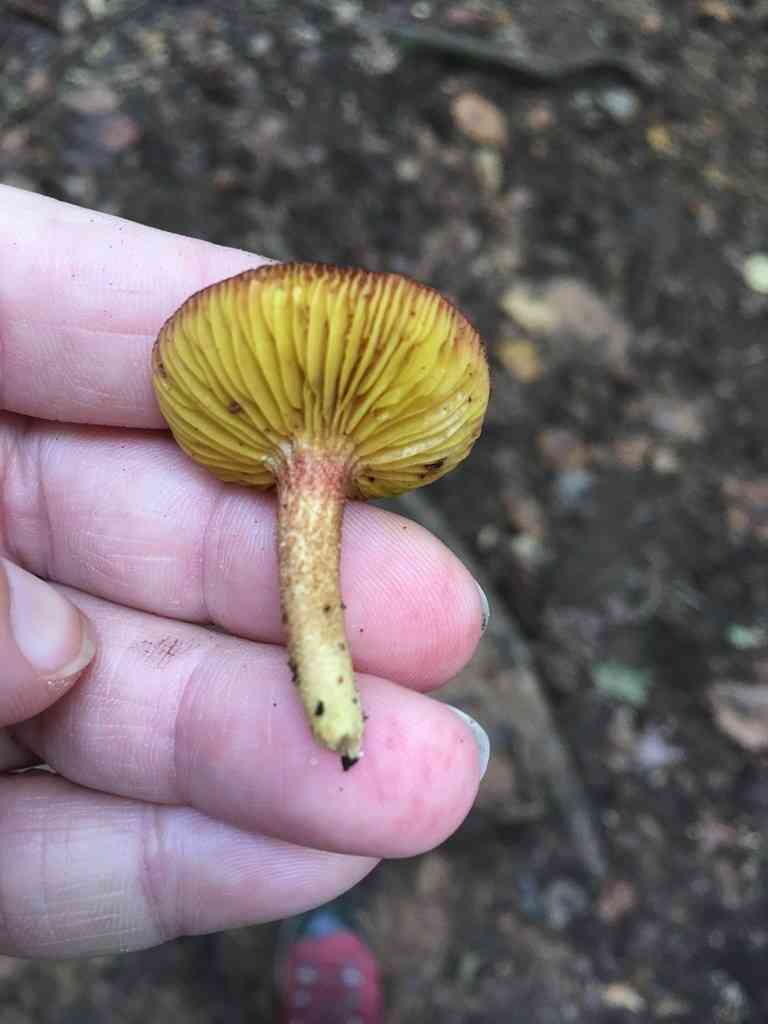
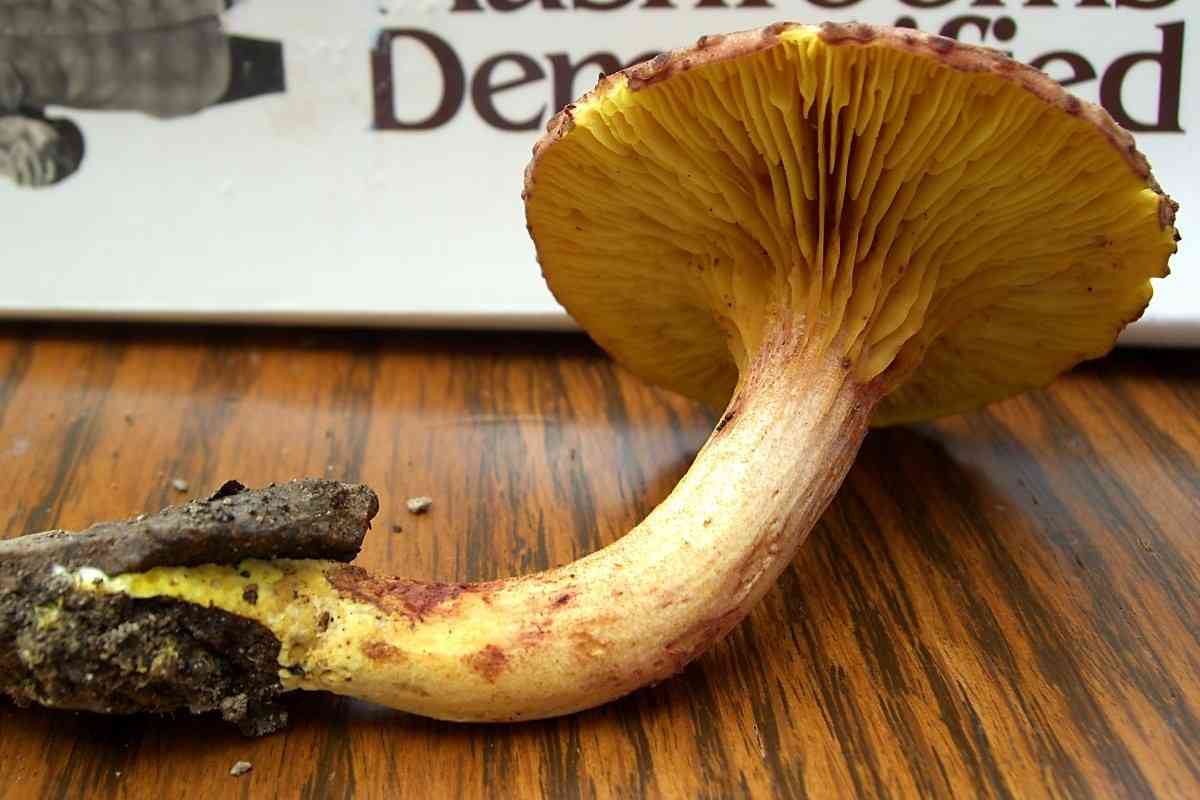
The Phylloporus rhodoxanthus, commonly known as the gilled bolete, stands out among boletes due to its distinct underside: instead of the usual pores, it features profoundly split gills. Its unusual characteristics, which resemble those of other mushroom species, can lead to it being mistaken for poisonous varieties, even though the gilled bolete itself is not considered toxic.
In This Article
Attributes of Gilled bolete
Cap Diameter
2.5 - 10 cm
Height
3 - 10 cm
Cap
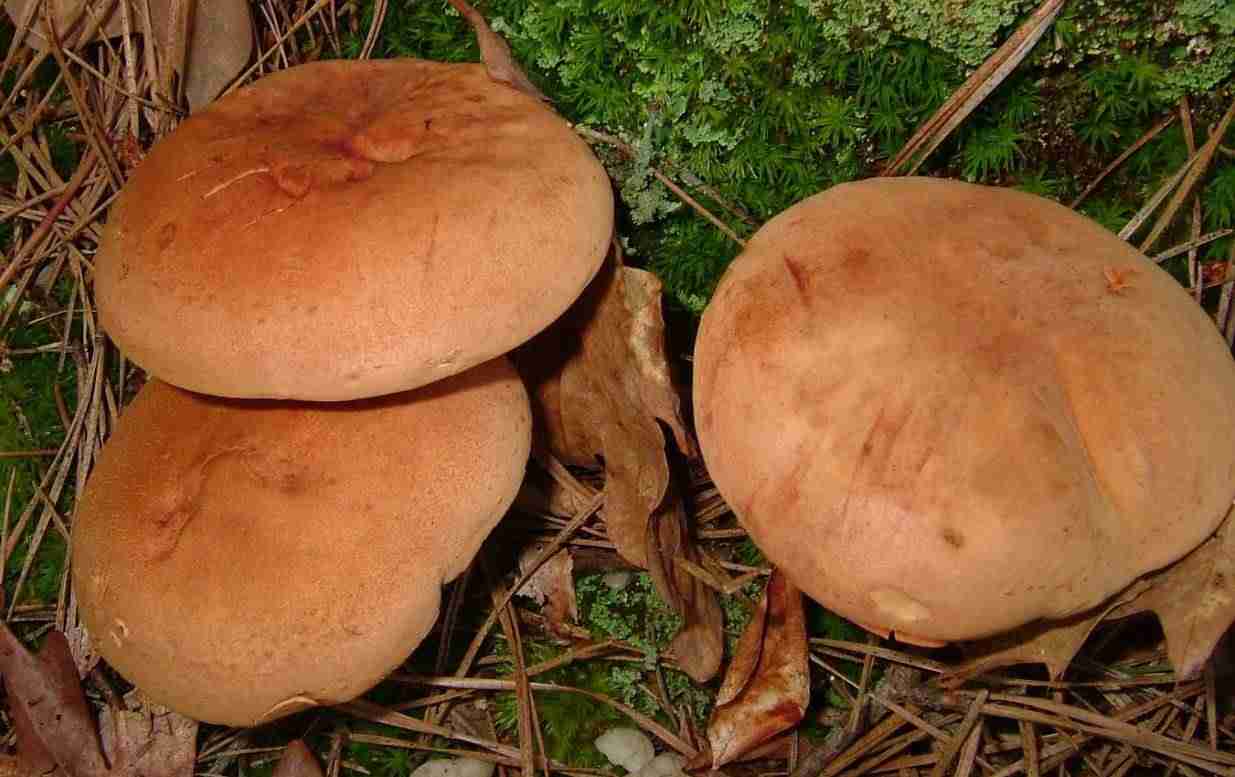
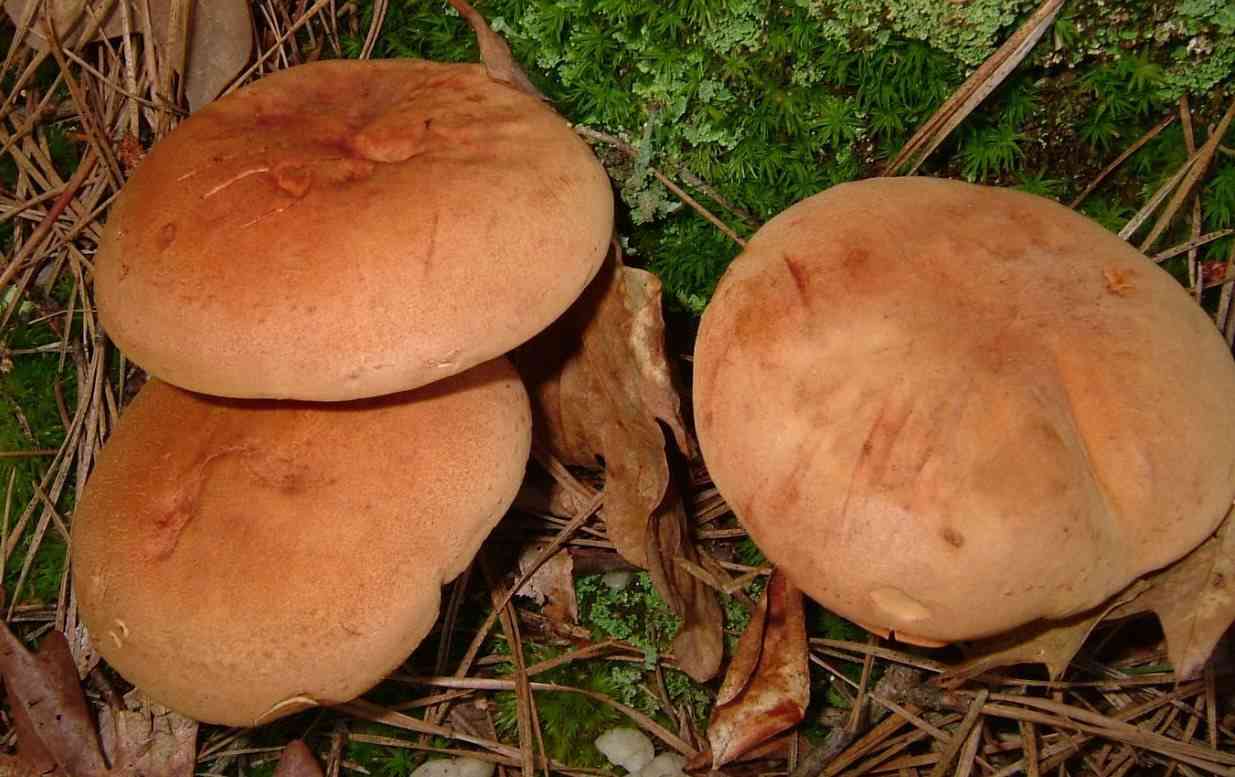
Cap 2.5 - 10 cm; convex, becoming flat; red to reddish brown, or olive brown to brown; dry, fairly smooth; the margin inrolled when young, and with a small projecting sterile portion
Gills
Decurrent; distant; yellow to golden yellow; not bruising blue
Stem
Stem 3 - 9 cm long, 5 - 15 mm thick; equal, or tapering to base; yellowish
Flesh
White to pale yellow
Spore Print Color
Ocher
Odor
Mildly mushroomy but not distinctive.
Body Color
BrownYellowRed
Flesh Bruises
The flesh or milk does not discolor when bruised or cut.
Growth Form
Solitary, Scattered, Gregarious
Nutrient Gathering
Mycorrhizal
Substrate
On soil
Occurence Habitats
Mixed Woodland
Species Status
Widely distributed in North America
Endangered Species
No
Scientific Classification of Gilled bolete
Phylum
Club fungi
Class
Mushroom-forming fungi
Order
Boletes and allies
Family
Boletes
Genus
Phylloporus
Toxicity and Edibility of Gilled bolete
Is Gilled bolete Toxic?
Toxicity information is not available for this mushroom. Always consult with an expert before consuming any wild mushrooms.