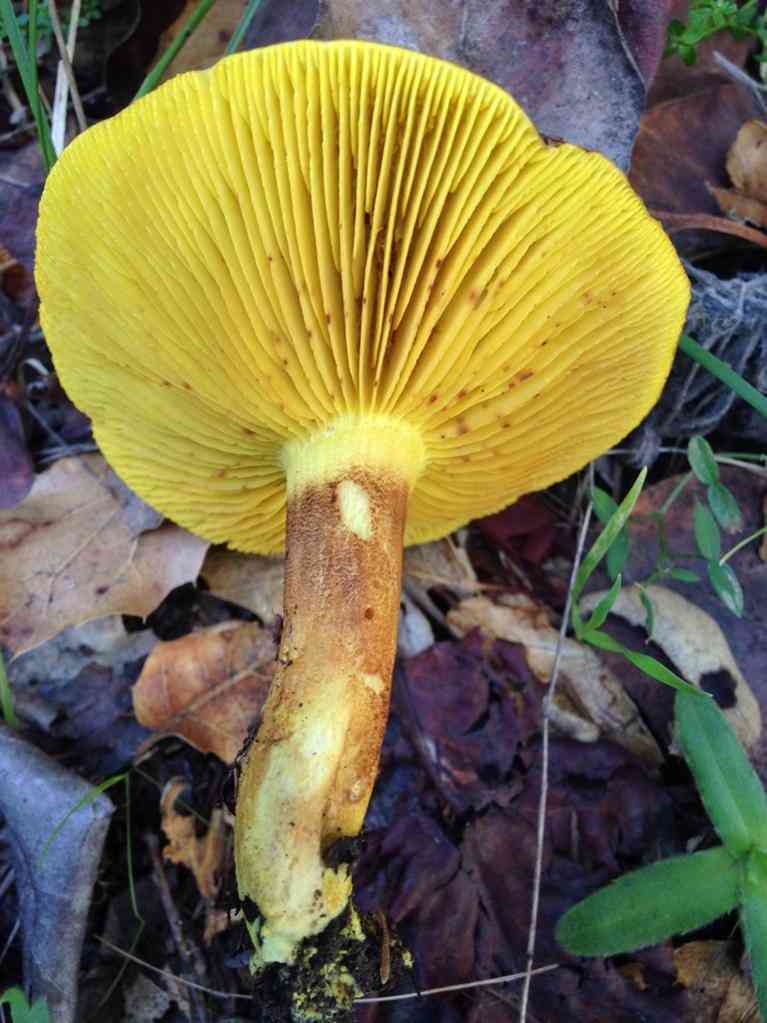
Western gilled bolete
Phylloporus arenicola
A species of Phylloporus.
Prepare to be astonished by the western gilled bolete (Phylloporus arenicola) as it emerges from sandy environments, a place you'd least expect to find fungi! Primarily found along the Oregon coast, these fascinating mushrooms also make unexpected appearances in California, much to the delight of mushroom enthusiasts. Be aware that California is home to doppelgängers that bear a striking resemblance to Phylloporus arenicola, and distinguishing them accurately from the genuine article requires an ammonia test.
In This Article
Attributes of Western gilled bolete
Cap Diameter
2 - 4 cm
Height
4 - 6 cm
Cap
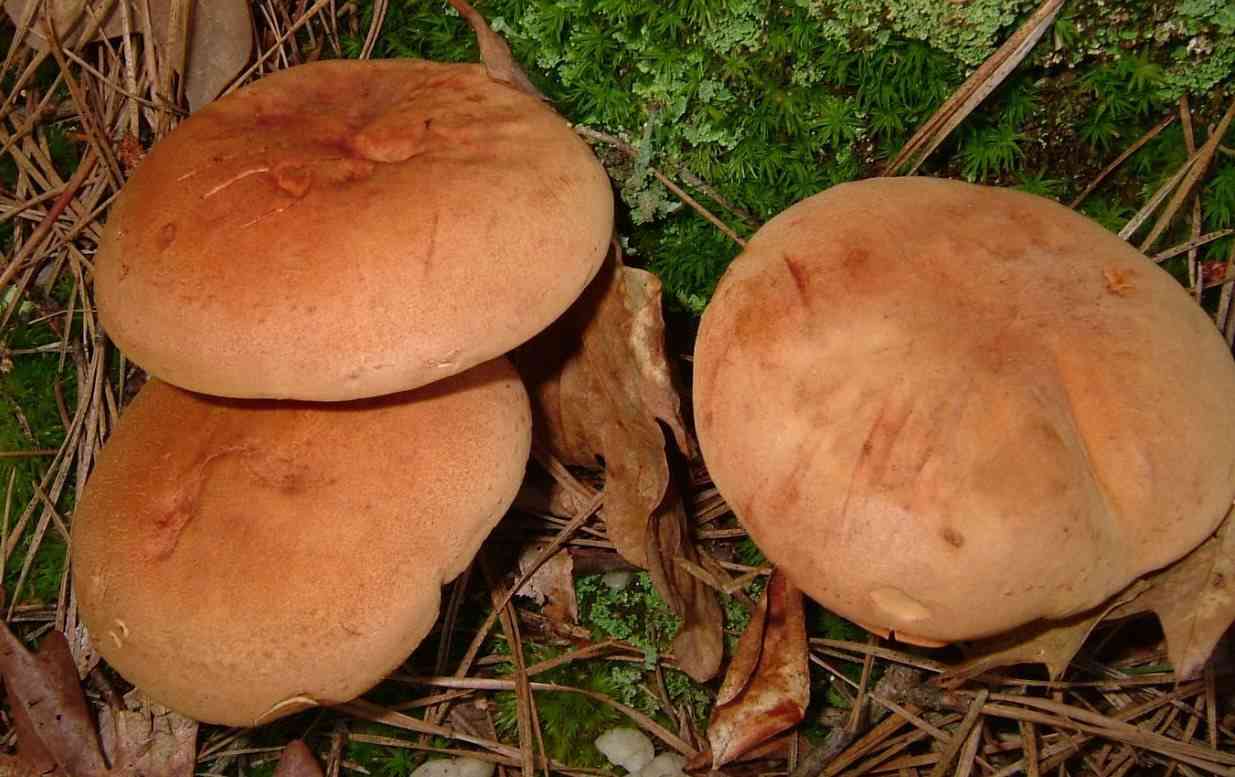
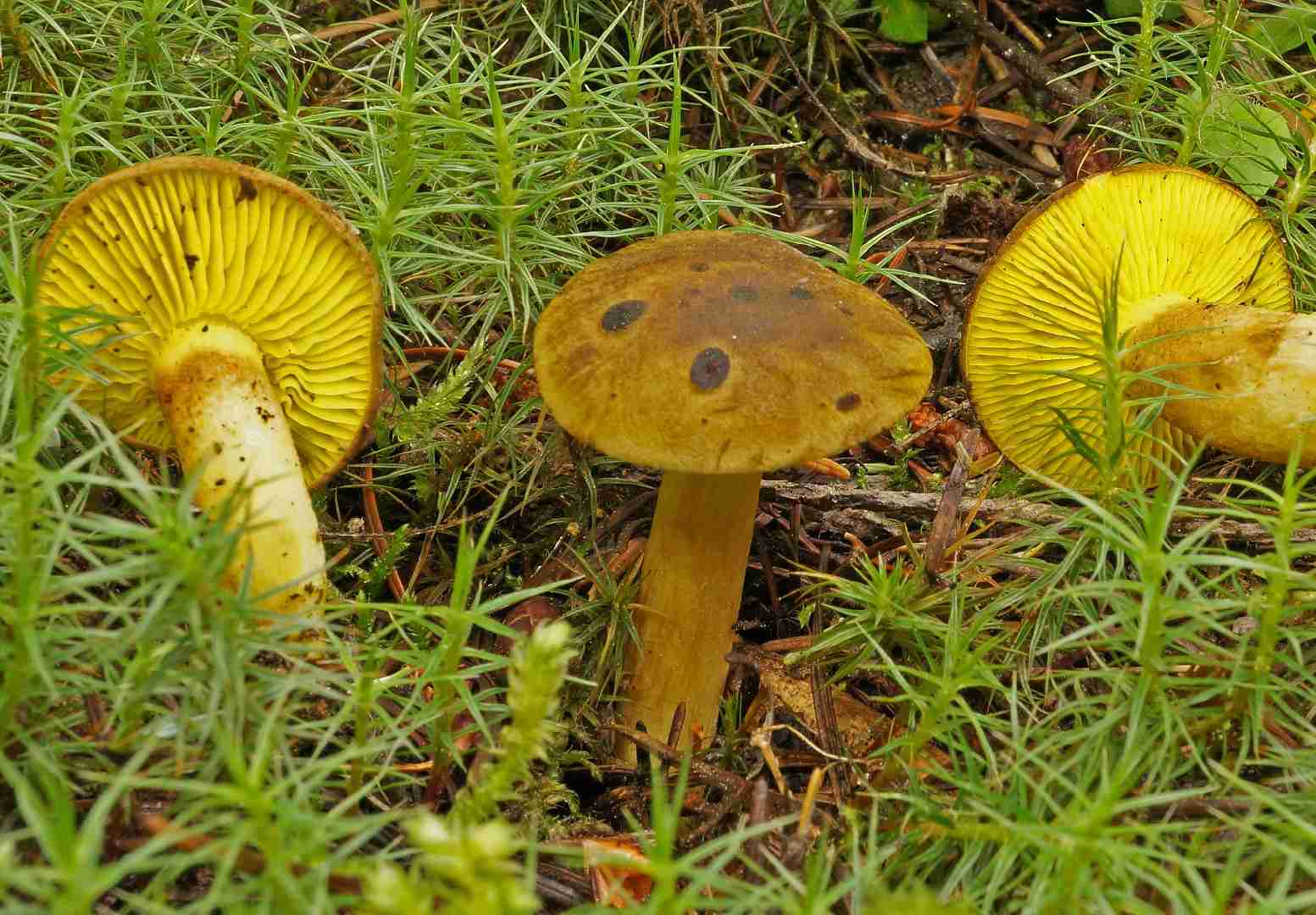
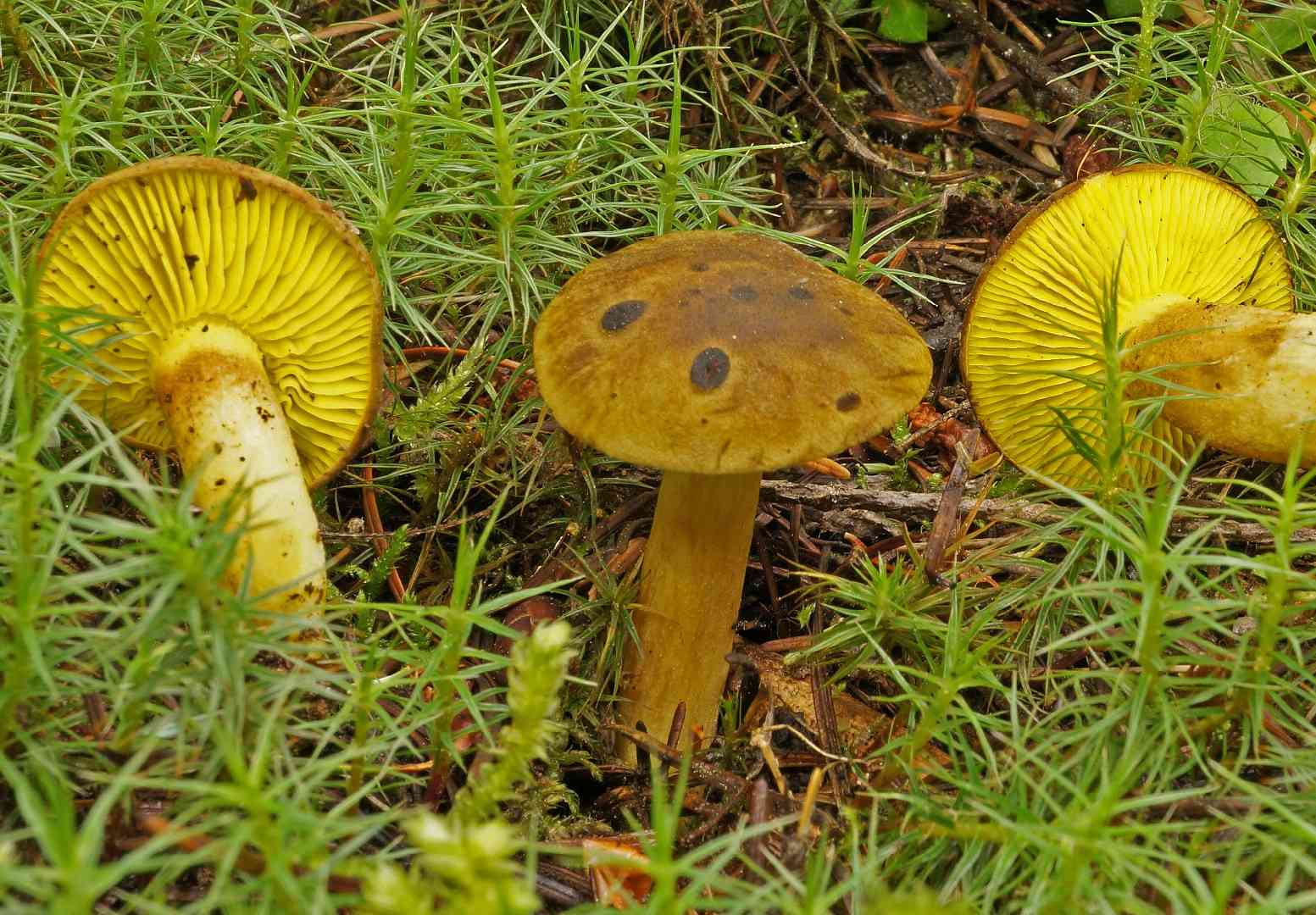
Cap 1.5 - 4.5 cm across; flat; olive to olive brown or yellowish brown; surface fairly smooth, or finely velvety
Cap Shape
Flat, Depressed
Cap Surfaces
Smooth, Velvety
Gills
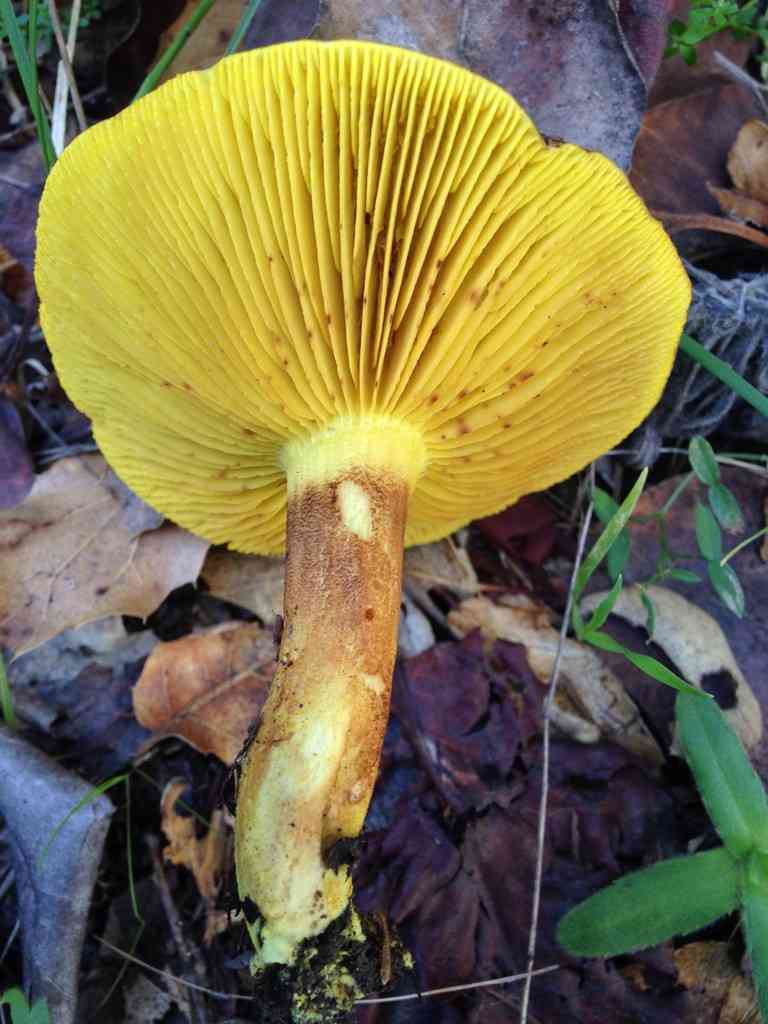
Attached; distant; yellow to golden yellow
Gill Attachment
Attached
Stem
Stem 4 - 6 cm long, 1 cm thick; tapered downward; yellowish, reddish, brownish
Stem Shapes
Tapering
Stem Surfaces
Smooth to slightly fibrous
Flesh
Pale yellow; not staining when exposed
Ring
Ringless
Spore Print Color
Yellowish to brownish yellow
Odor
Mildly mushroomy but not distinctive.
Body Color
BrownGreenYellowRed
Flesh Bruises
The flesh or milk does not discolor when bruised or cut.
Growth Form
Solitary, Scattered
Nutrient Gathering
Mycorrhizal
Substrate
On soil
You can find Western gilled bolete by these plants
Pines, Oaks
Occurence Habitats
Coniferous Woodland, Mixed Woodland
Scientific Classification of Western gilled bolete
Phylum
Club fungi
Class
Mushroom-forming fungi
Order
Boletes and allies
Family
Boletes
Genus
Phylloporus
Toxicity and Edibility of Western gilled bolete
Is Western gilled bolete Toxic?
Toxicity information is not available for this mushroom. Always consult with an expert before consuming any wild mushrooms.