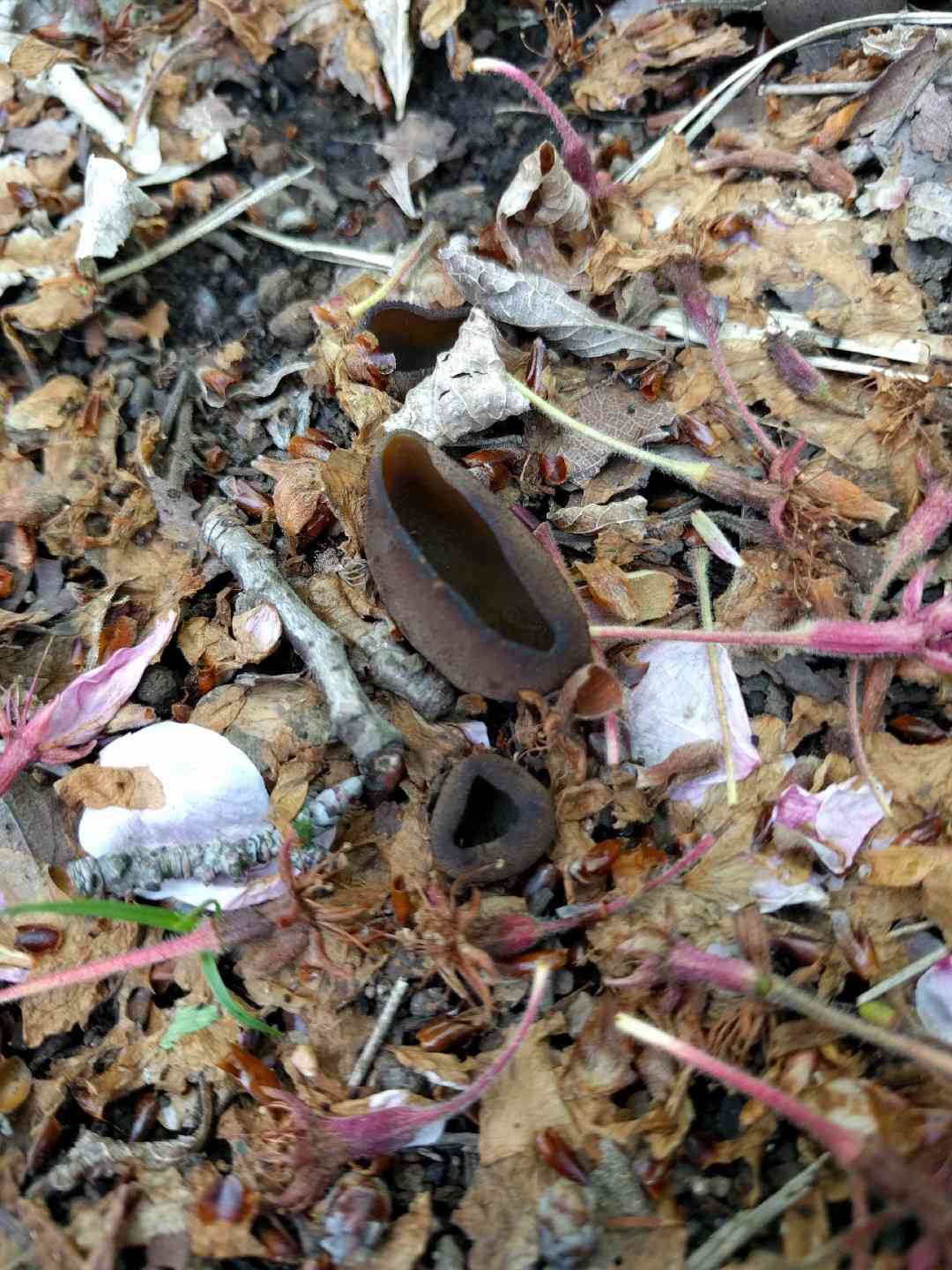
Common brown cup
Peziza phyllogena
A species of Brown vases.
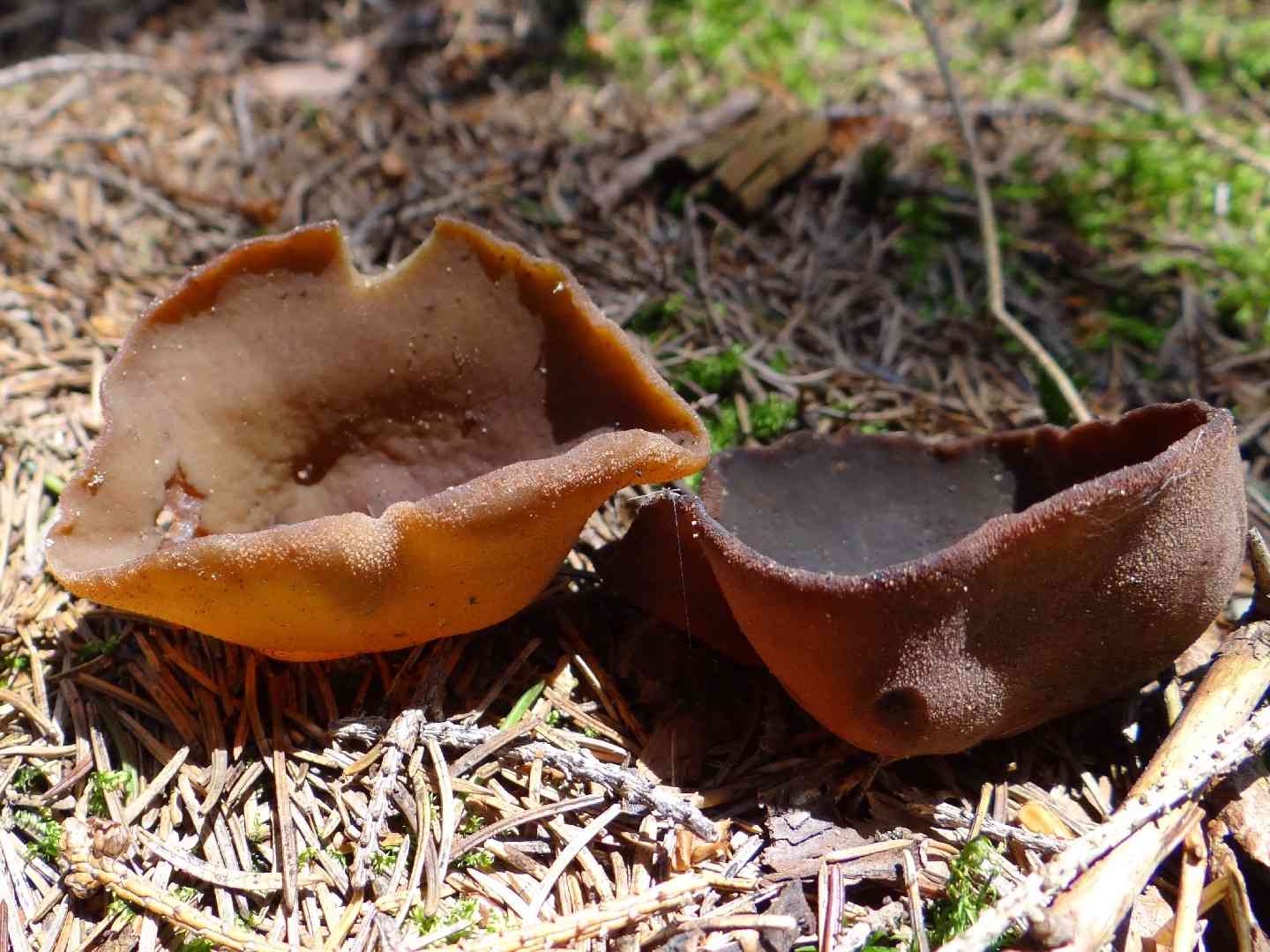
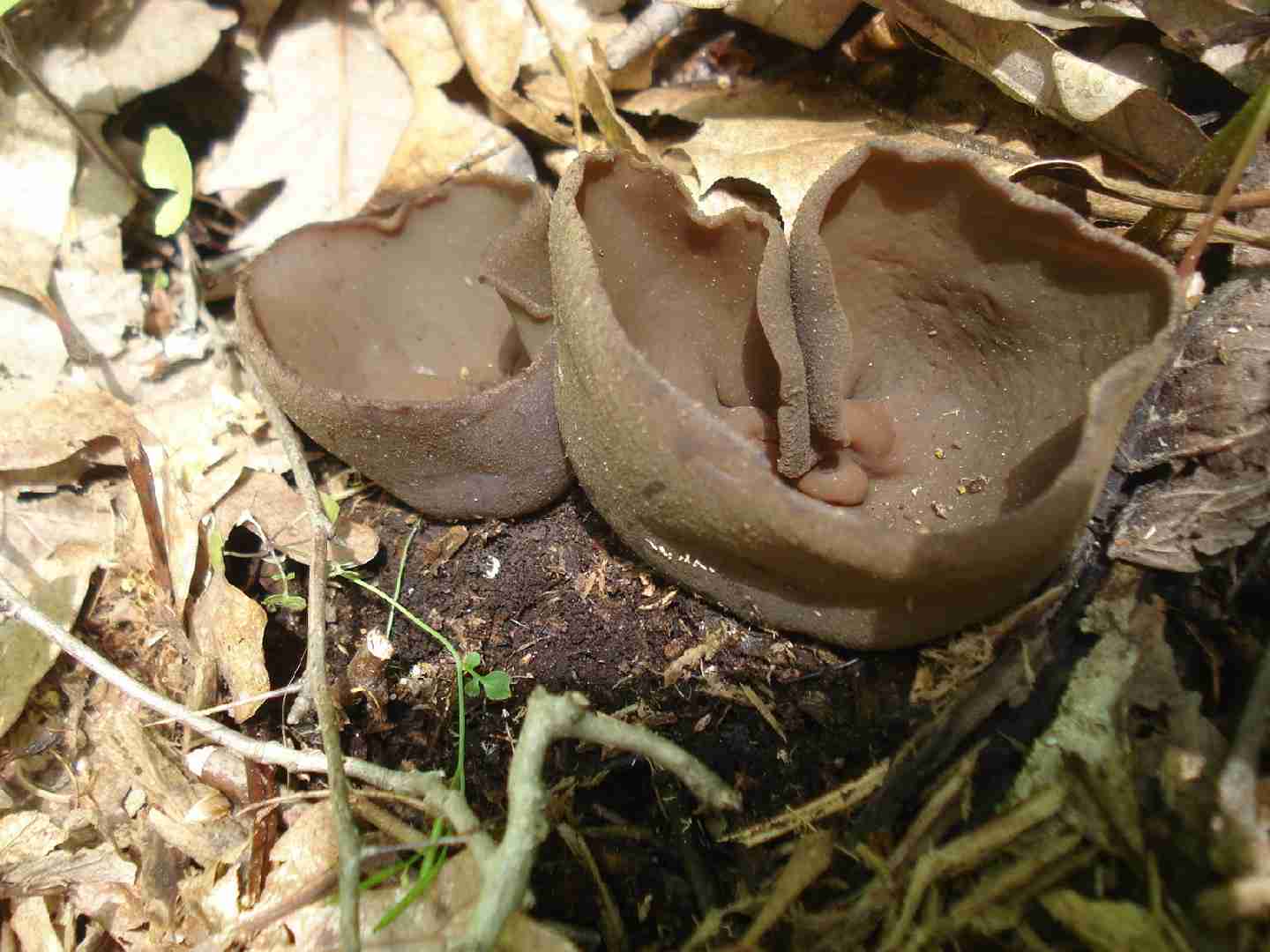
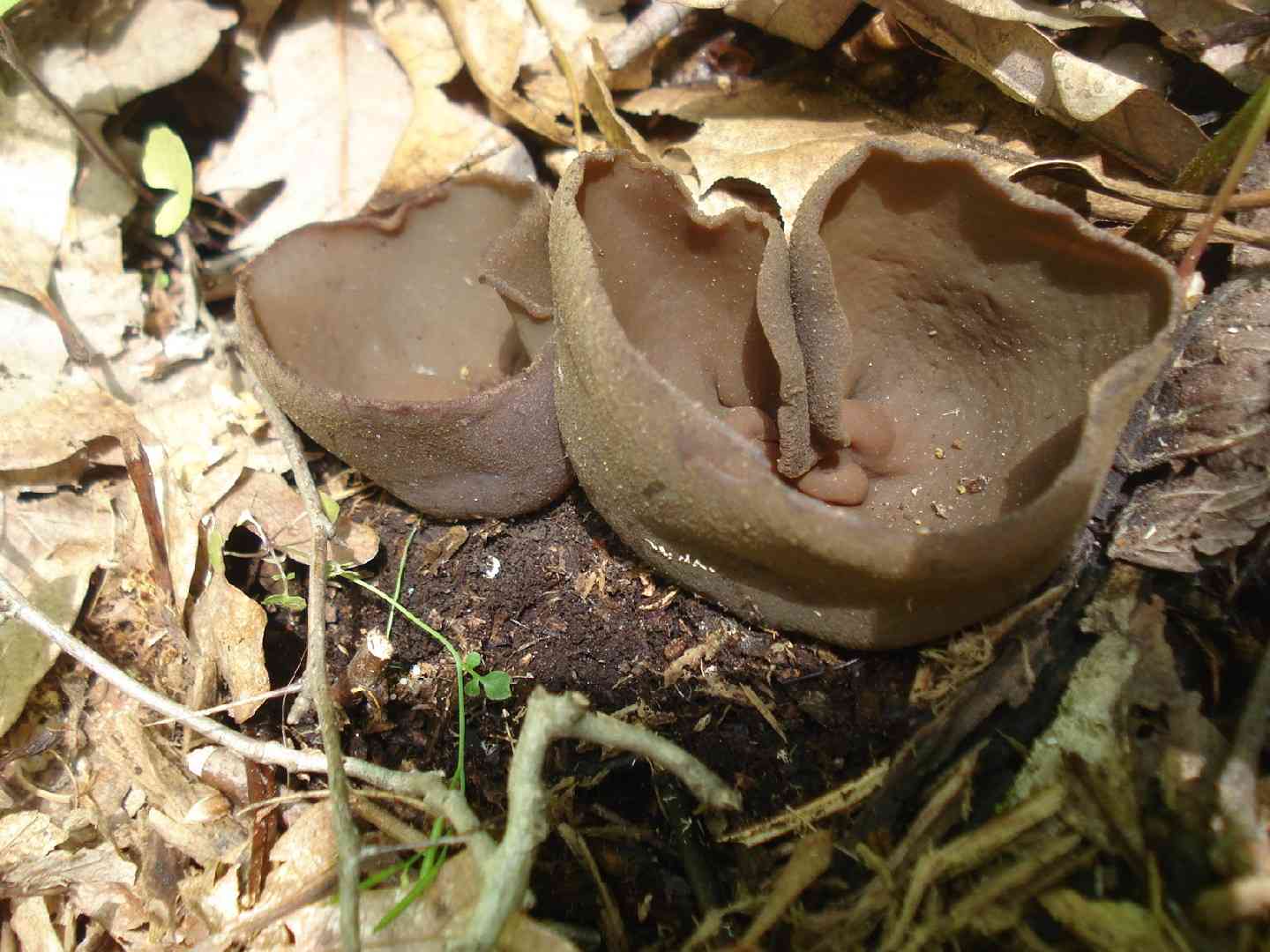
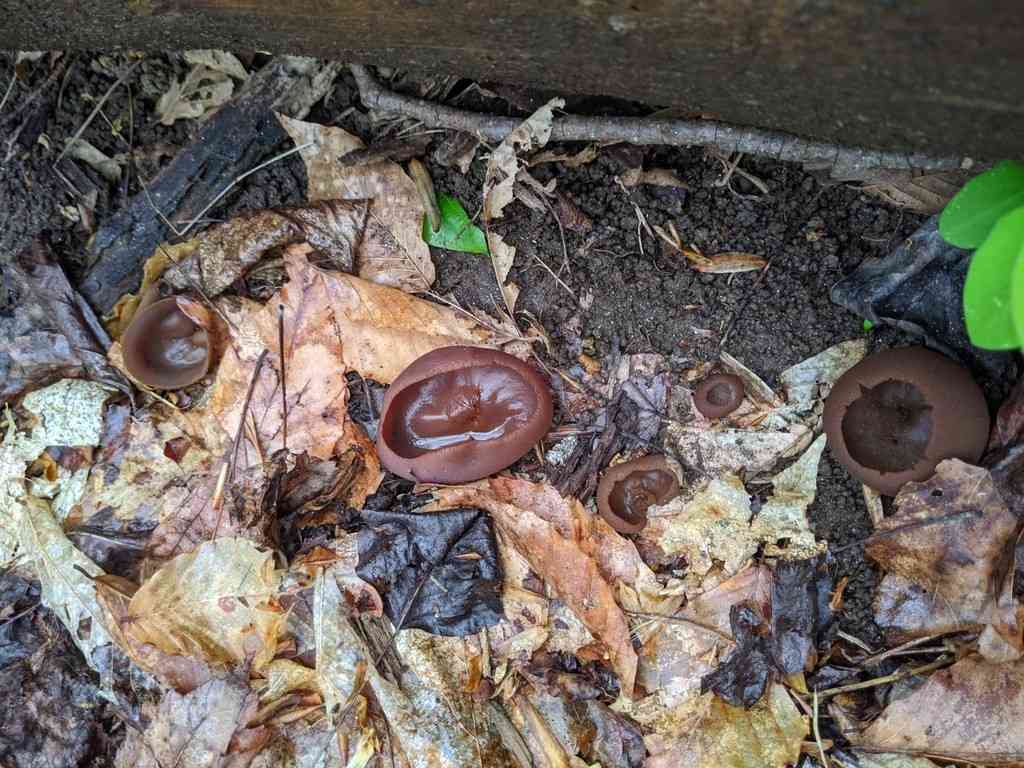
The common brown cup mushroom commonly inhabits wooded regions, frequently sprouting from soil abundant in decaying organic material. This fungus exhibits a distinctive cup shape, characterized by a prominent brown outer surface and a slightly less textured inner lining. It favors damp conditions, flourishing particularly during the rainier periods of the year. In its familial role, the common brown cup contributes to the ecosystem by facilitating the decomposition of defunct plant matter.
In This Article
Attributes of Common brown cup
Cap
3–8 cm in diameter; cup-shaped; dark purplish brown to dark reddish gray, purplish; margin is thin, and it turns black as it dries
Flesh
Thin and fragile
Spore Print Color
Hyaline to pale cream
Odor
Mild sperm-like with faint chlorine hint.
Body Color
RedPurple
Flesh Bruises
The flesh or milk does not discolor when bruised or cut.
Growth Form
Solitary, Scattered, Gregarious
Nutrient Gathering
Saprophytic
Substrate
On soil
You can find Common brown cup by these plants
Eastern white pine
Species Status
Widespreadly distribution in North America
Scientific Classification of Common brown cup
Phylum
Sac fungi
Class
Pezizomycetes
Order
Pezizales
Family
Cup fungi
Genus
Brown vases
Toxicity and Edibility of Common brown cup
Is Common brown cup Toxic?
Toxicity information is not available for this mushroom. Always consult with an expert before consuming any wild mushrooms.