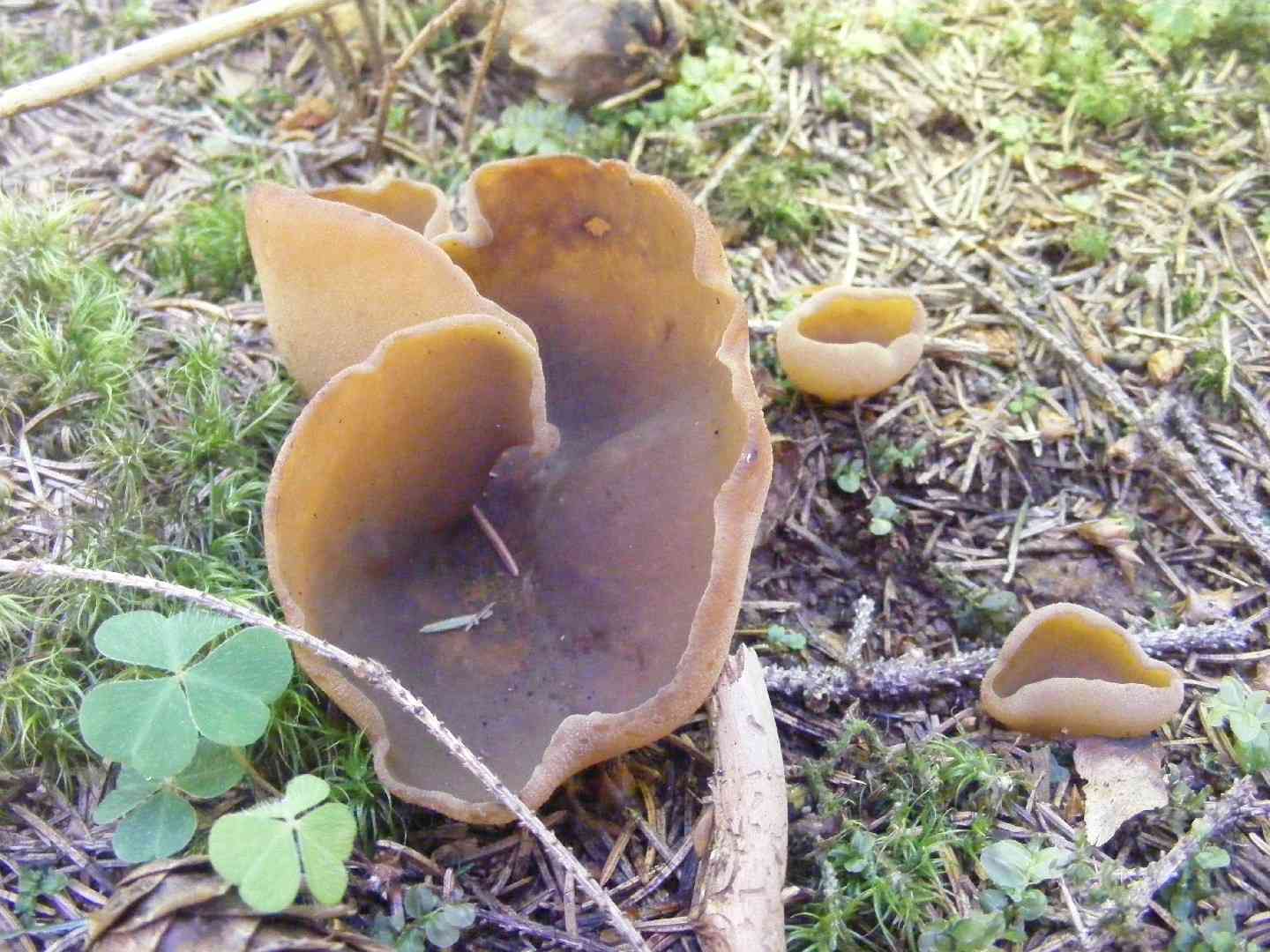
Bay cup
Peziza badia
A species of Brown vases. Also known as Pig's ears.
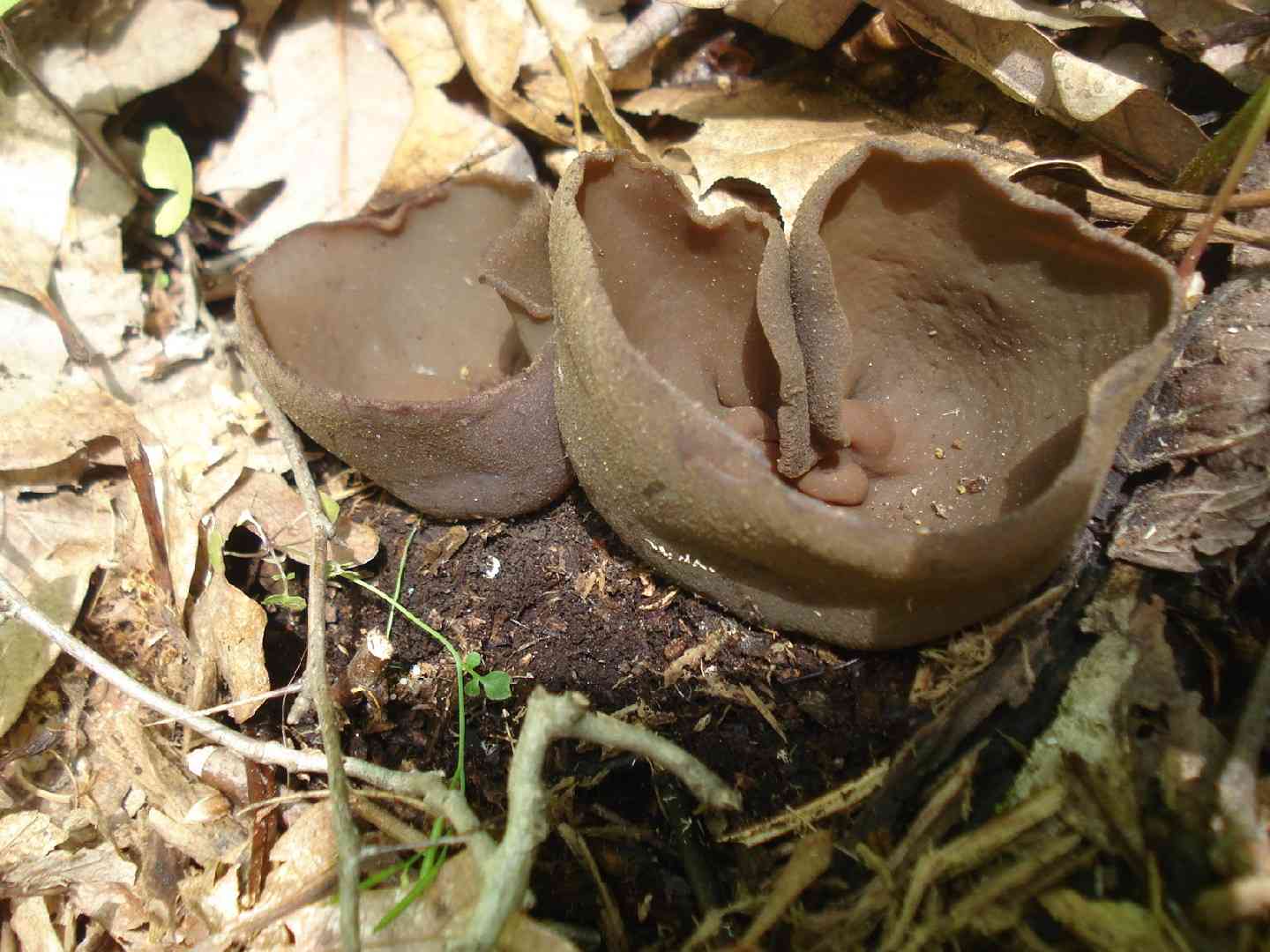
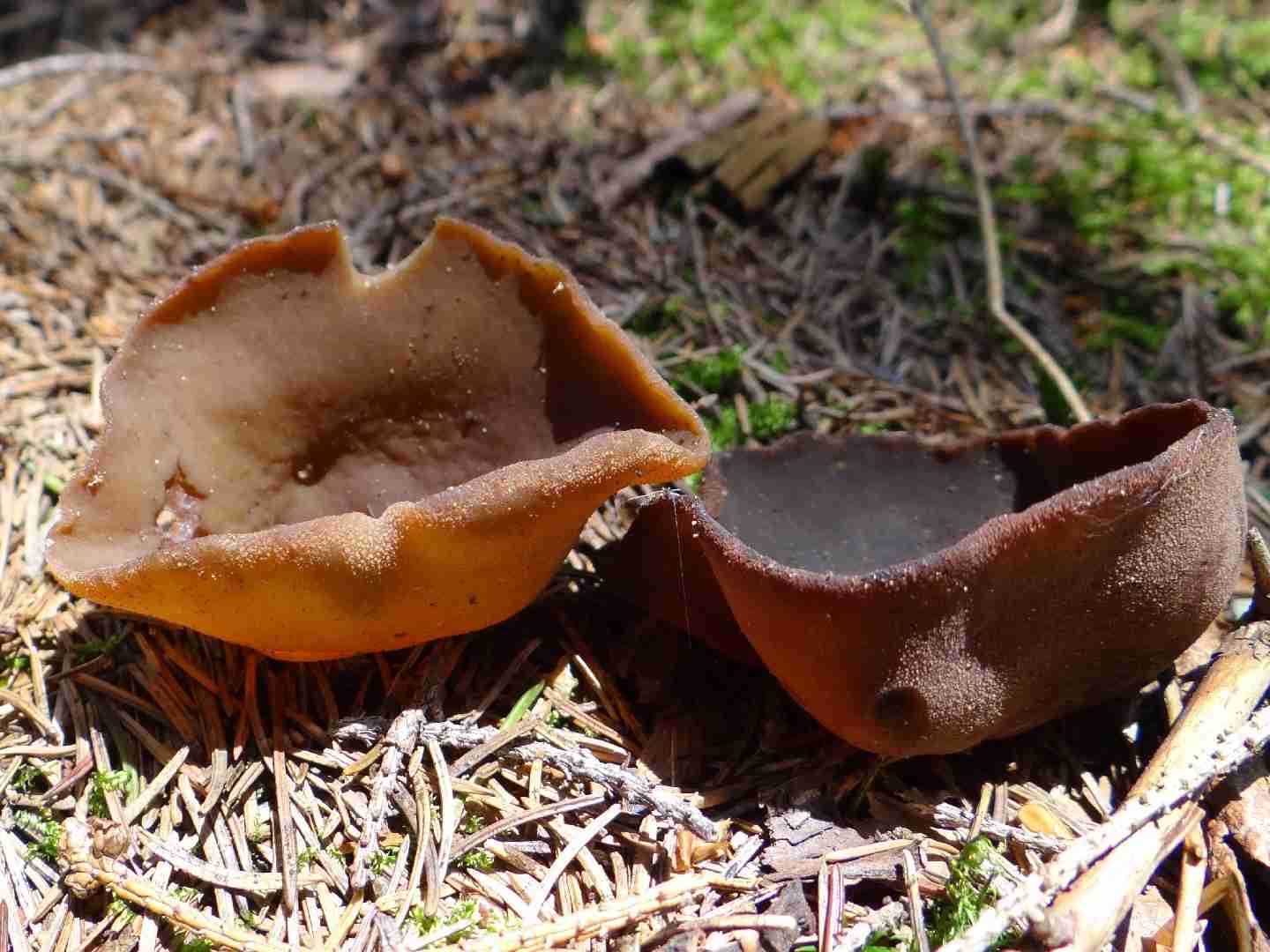
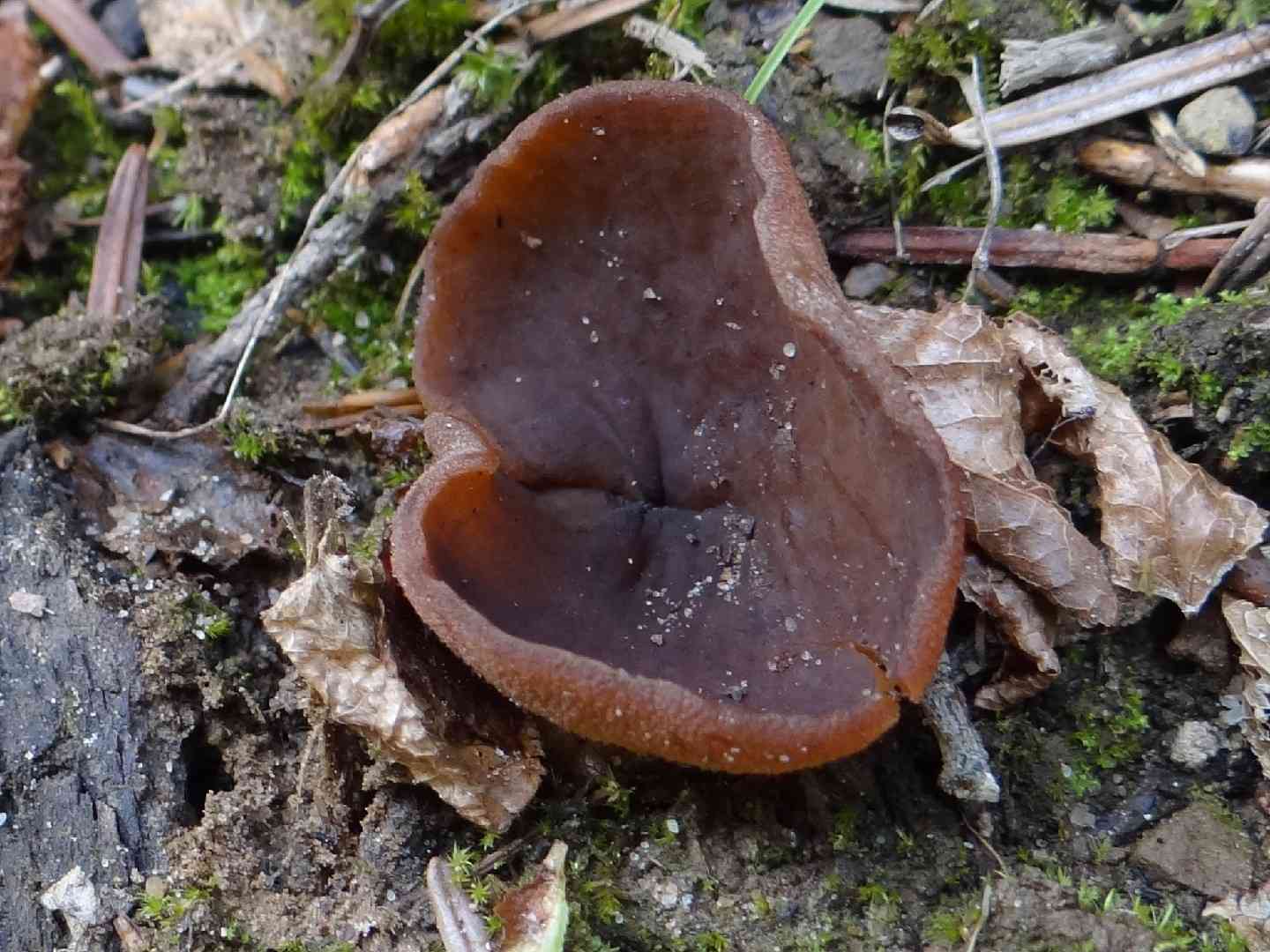
The bay cup mushroom (Peziza badia) grows directly from the soil, lacking a stalk. Its inverted cap creates a cup-like shape, with the spore-producing cells lining the interior. When mature, these spores are discharged in a visible puff triggered by any agitation or contact within the cup, even something as minor as a few grains of sand falling.
In This Article
Attributes of Bay cup
Cap Diameter
2 - 8 cm
Height
1 - 5 cm
Cap
Up to 8 cm in diameter; irregular cups; reddish brown or tan-brown; inner surface smooth, outer surface scurfy or granular
Flesh
Thin; fragile; reddish brown
Spore Print Color
White
Odor
Mildly mushroomy, not particularly distinctive.
Body Color
Brown
Flesh Bruises
The flesh or milk does not discolor when bruised or cut.
Growth Form
Solitary, Scattered, Gregarious
Nutrient Gathering
Saprophytic
Substrate
On soil
Occurence Habitats
Disturbed Lands
Species Status
More familiar
Endangered Species
No
Scientific Classification of Bay cup
Phylum
Sac fungi
Class
Pezizomycetes
Order
Pezizales
Family
Cup fungi
Genus
Brown vases
Toxicity and Edibility of Bay cup
Is Bay cup Toxic?
Ingesting the bay cup mushroom may lead to a degree of digestive discomfort for certain individuals, manifesting as symptoms such as queasiness, throwing up, loose stools, perspiration, and abdominal spasms.