
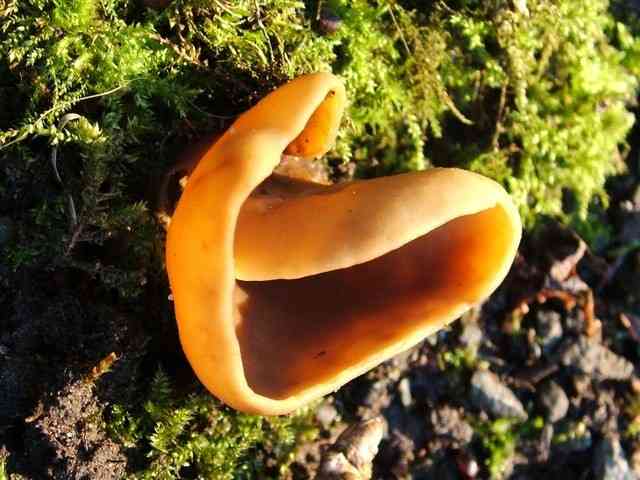
Hare's ear
Otidea onotica
A species of Otidea.
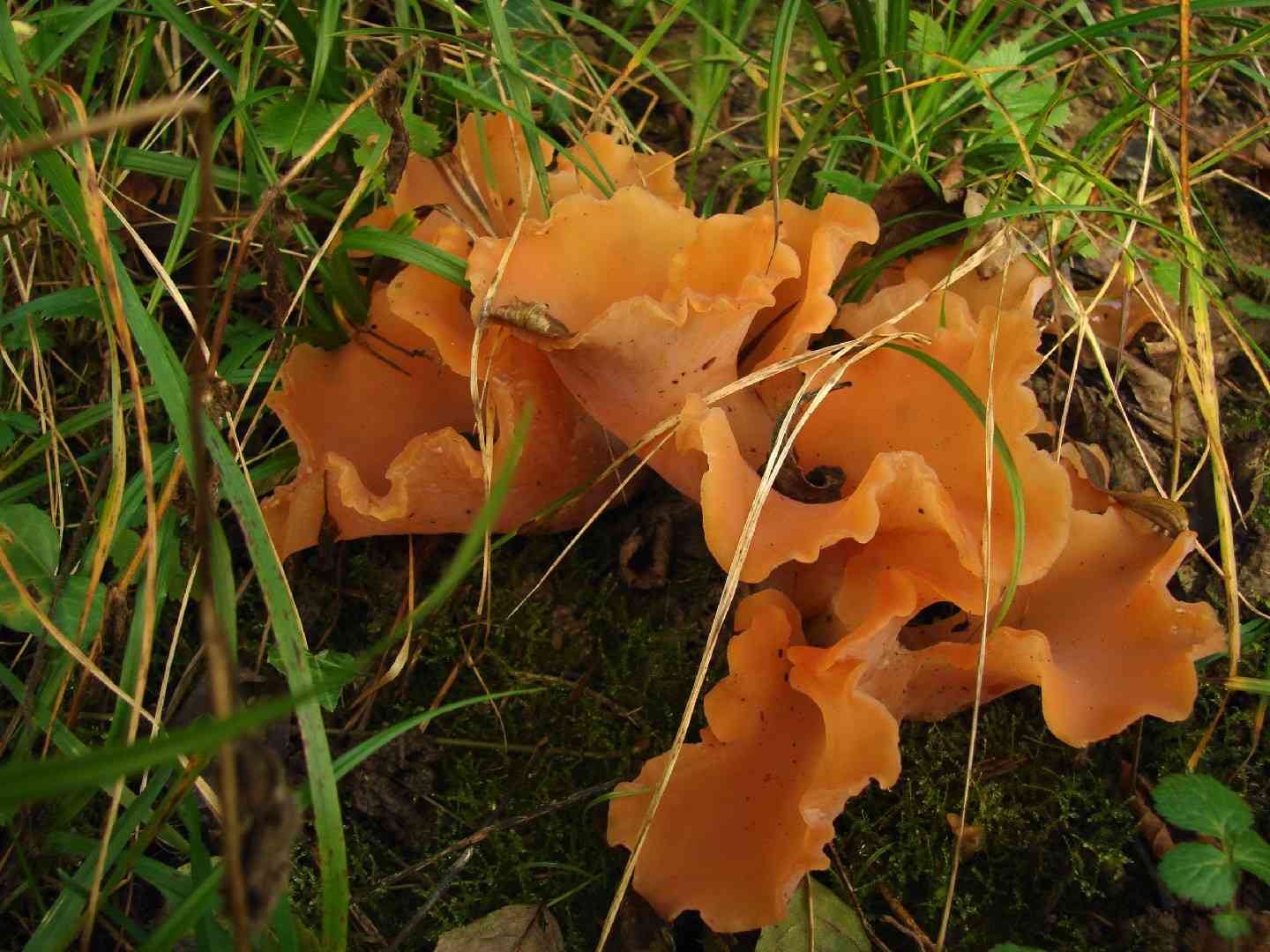
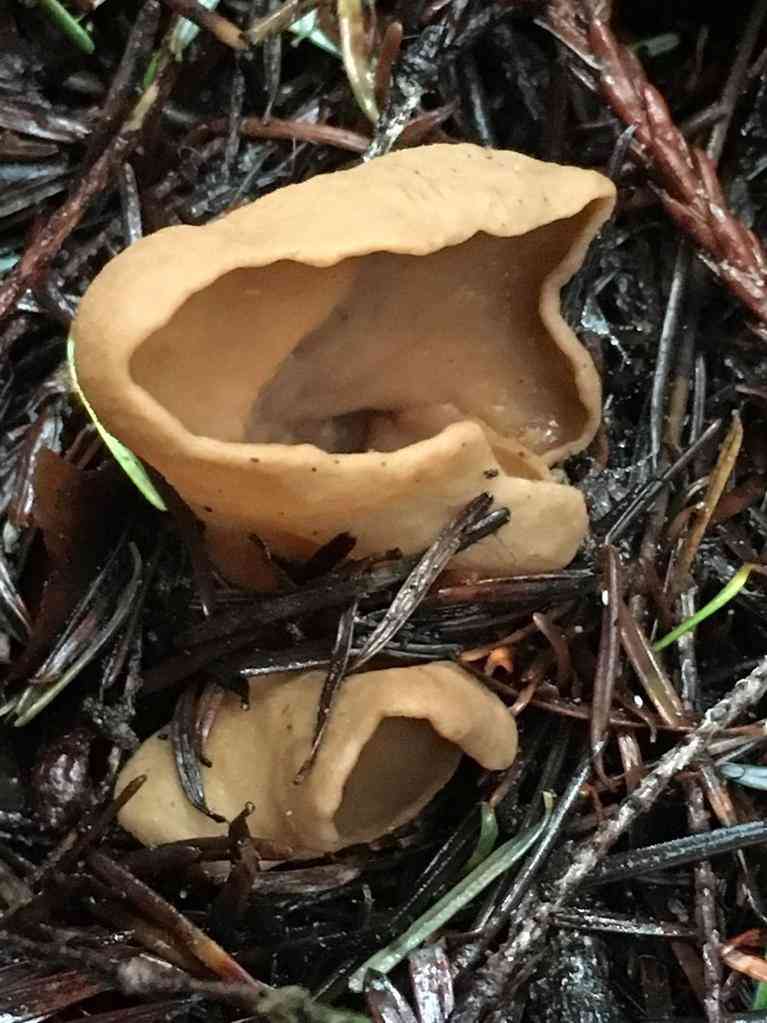
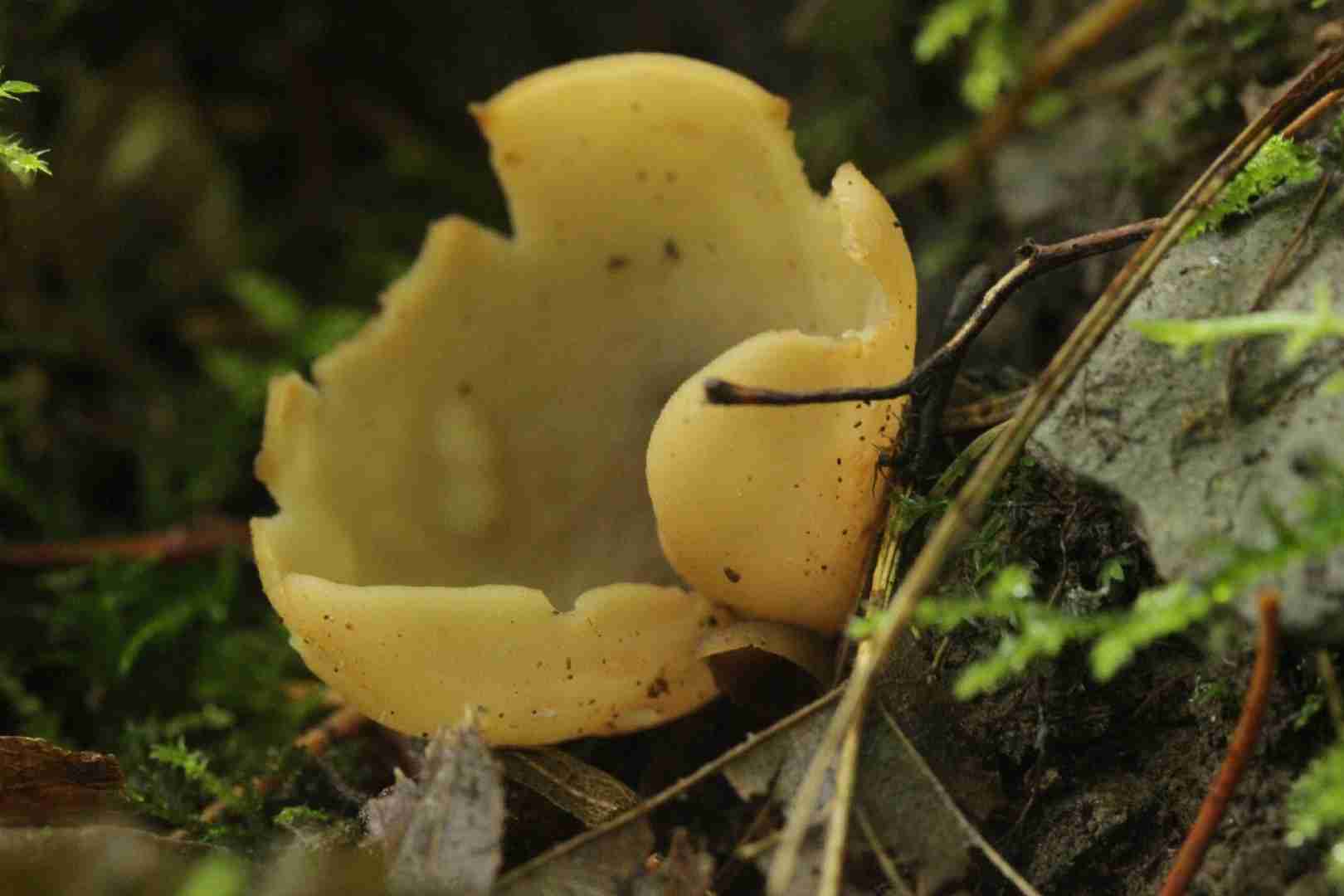
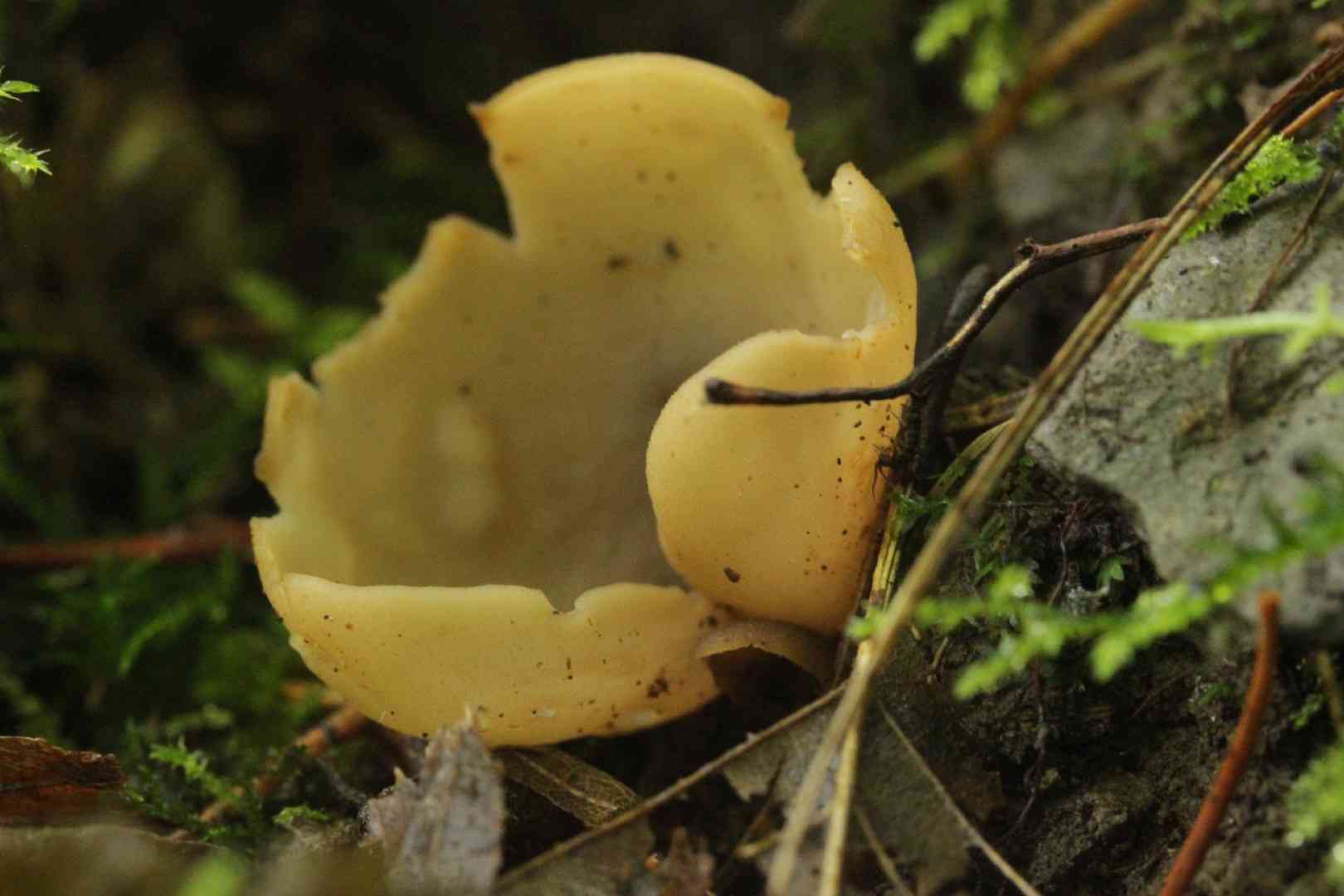
The Hare's ear fungus, frequently found in beech woodlands, is more easily spotted due to its tendency to grow alongside woodland footpaths. Its scientific name, onotica, is derived from the Greek for Donkey ear, which is also a common identifier for this particular fungus.
In This Article
Attributes of Hare's ear
Cap Diameter
2 - 6 cm
Height
5 - 10 cm
Cap
6 cm across; spoon-shaped, ear-shaped; inner surface yellowish to orangish; outer surface often finely fuzzy
Stem
If present small; rudimentary; whitish
Flesh
Brittle; pale yellowish
Spore Print Color
White
Odor
Subtle, indistinct fungal scent.
Body Color
YellowRedWhiteOrangePink
Flesh Bruises
The flesh or milk does not discolor when bruised or cut.
Growth Form
Solitary, Scattered, Gregarious
Nutrient Gathering
Saprophytic
Substrate
On soil
You can find Hare's ear by these plants
Spruces, Firs
Occurence Habitats
Deciduous Woodland, Coniferous Woodland, Mixed Woodland
Species Status
Widely distributed in North America
Endangered Species
No
Scientific Classification of Hare's ear
Phylum
Sac fungi
Class
Pezizomycetes
Order
Pezizales
Family
Pyronemataceae
Genus
Otidea
Toxicity and Edibility of Hare's ear
Is Hare's ear Toxic?
Toxicity information is not available for this mushroom. Always consult with an expert before consuming any wild mushrooms.