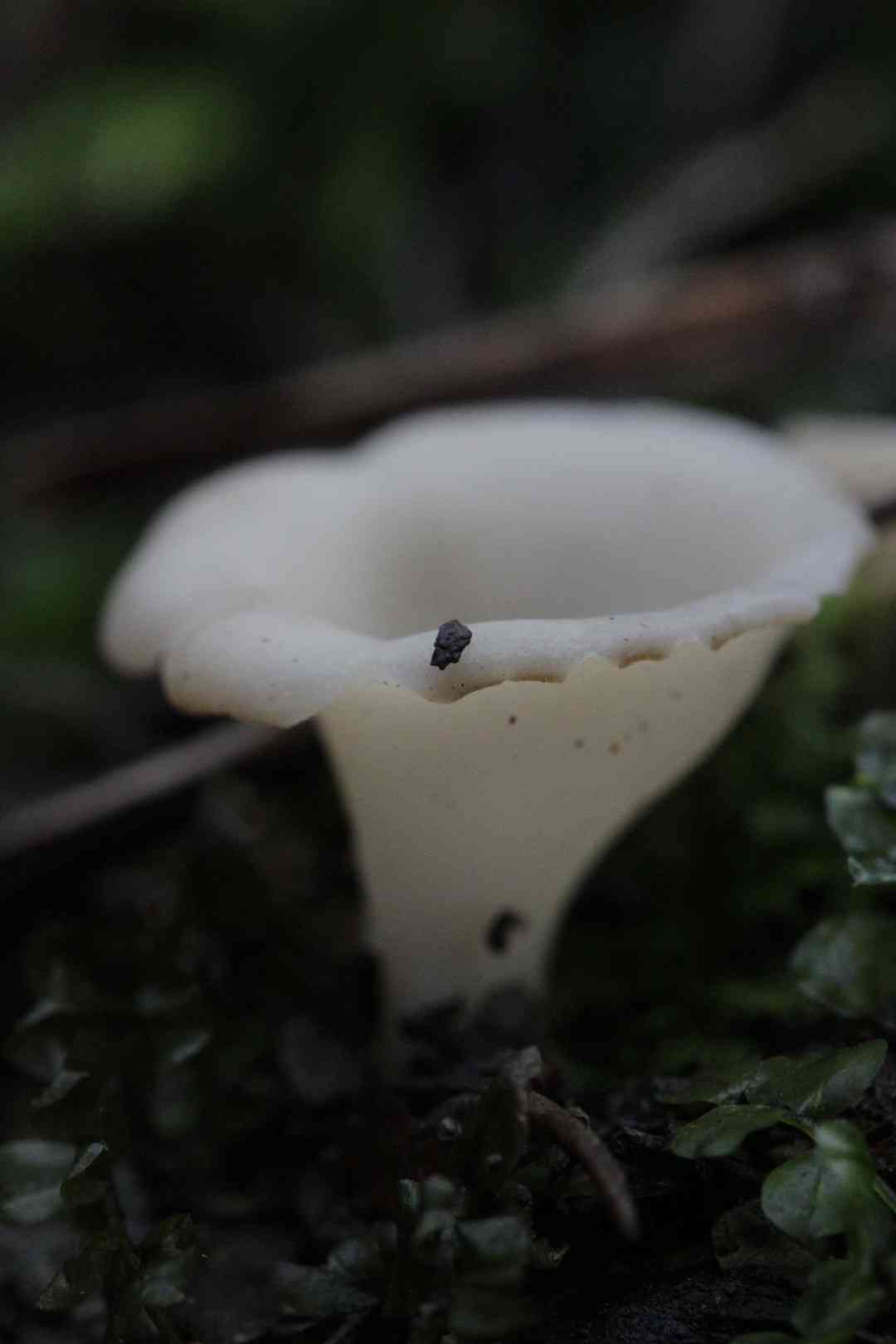
Apricot jelly
Guepinia helvelloides
A species of Red jelly fungus. Also known as Candied red jelly fungus.
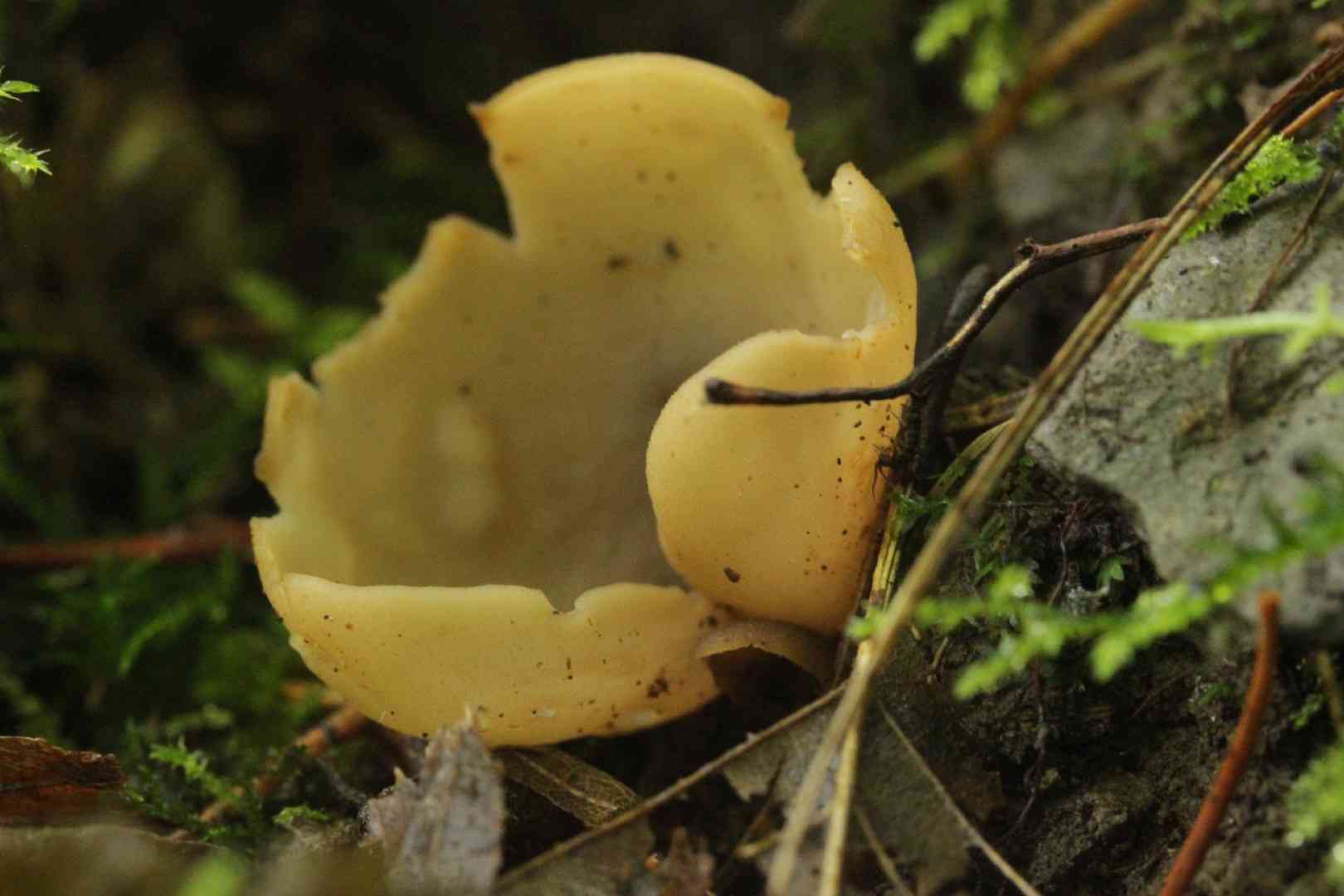
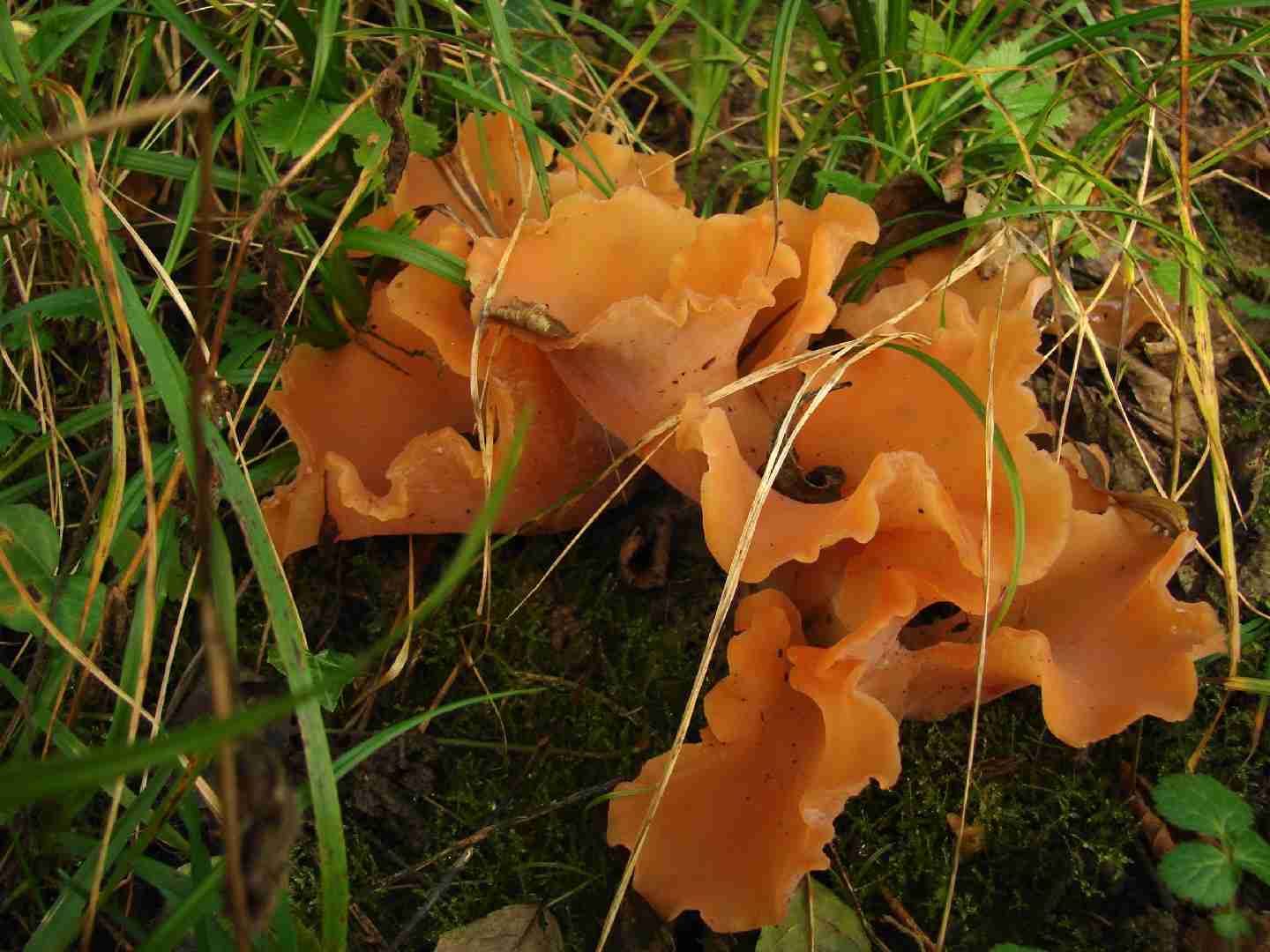
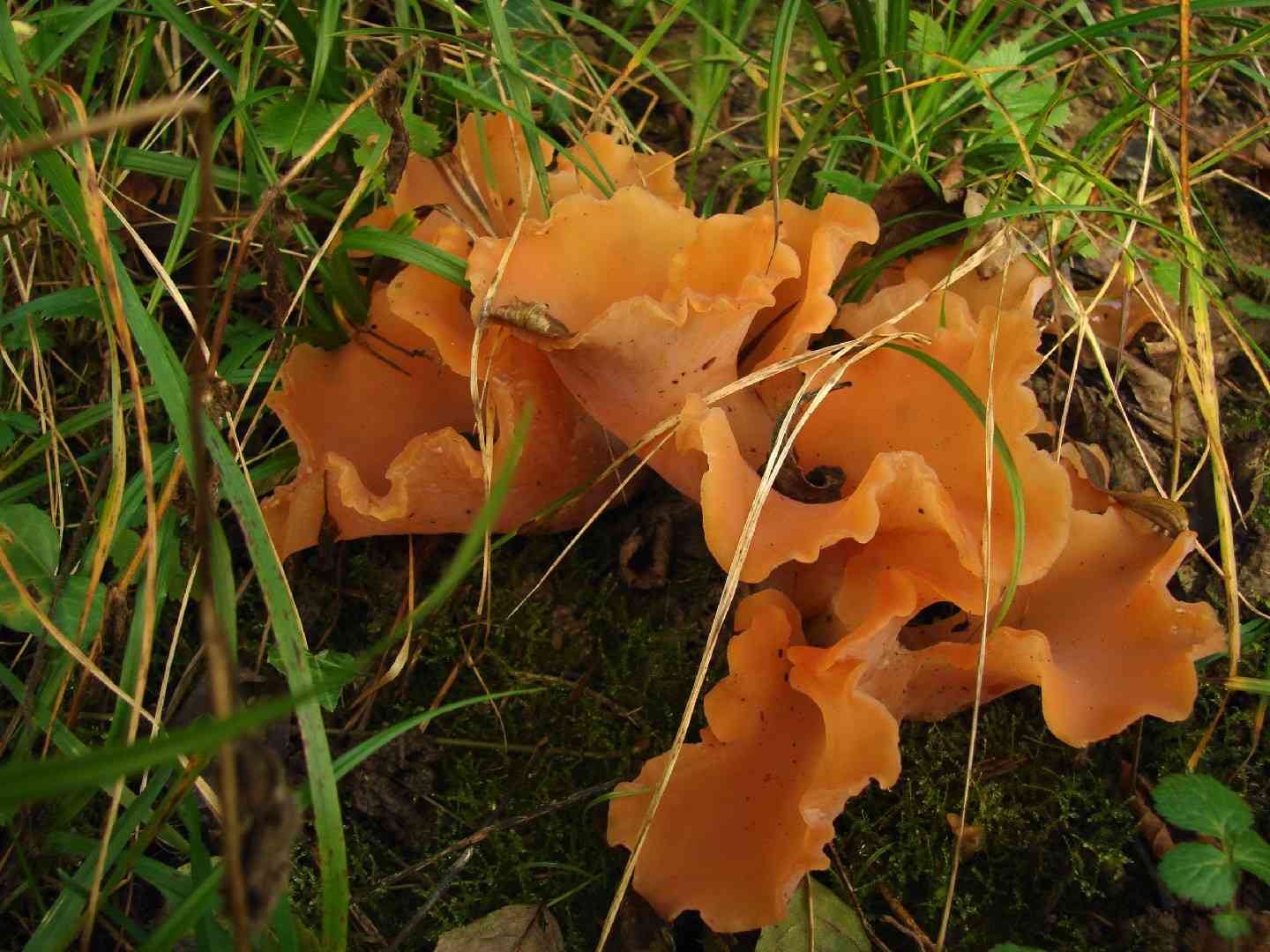
This unique, rubbery fungus stands out with its one-of-a-kind appearance. Found globally in temperate zones, the apricot jelly develops as tongue-shaped funnels, presenting in a spectrum of orange or pink hues. Despite its candy-like look, it is widely noted for its near-absence of flavor and lack of use in cooking.
In This Article
Attributes of Apricot jelly
Height
4 - 11 cm
Cap
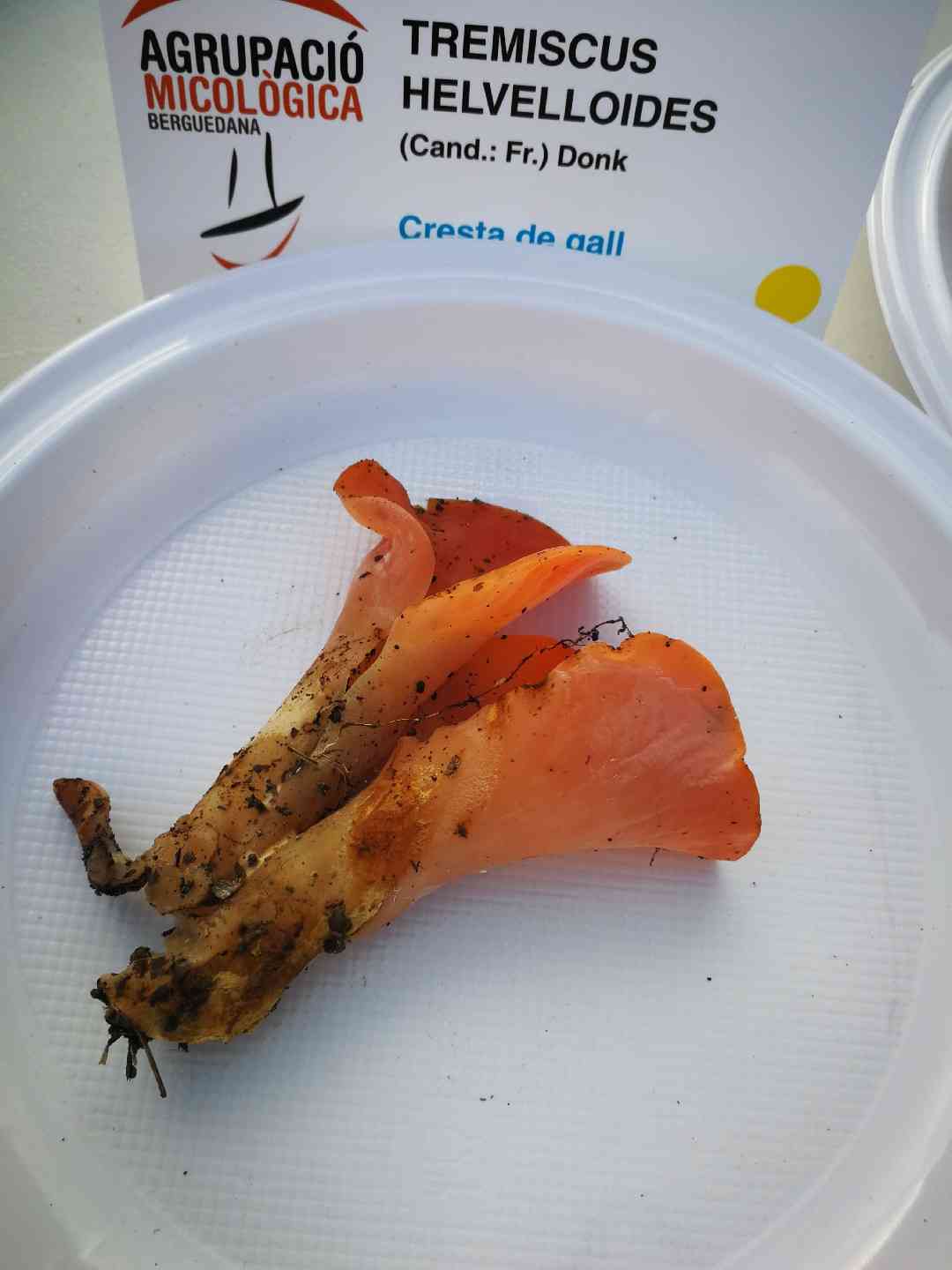
Funnel-shaped, irregular; pinkish orange; surface smooth
Stem
Stem 5 cm long, 1.5 cm thick; white
Flesh
Flesh 2 - 3.5 mm thick; rubbery
Spore Print Color
White
Odor
Mildly mushroomy but not distinctive.
Body Color
OrangePink
Flesh Bruises
The flesh or milk does not discolor when bruised or cut.
Growth Form
Solitary, Scattered, Gregarious
Nutrient Gathering
Saprophytic
Substrate
On soil, Dead Woods
Occurence Habitats
Coniferous Woodland
Species Status
Widely distributed
Endangered Species
No
Scientific Classification of Apricot jelly
Phylum
Club fungi
Class
Mushroom-forming fungi
Order
Auriculariales
Genus
Red jelly fungus
Toxicity and Edibility of Apricot jelly
Is Apricot jelly Toxic?
Toxicity information is not available for this mushroom. Always consult with an expert before consuming any wild mushrooms.