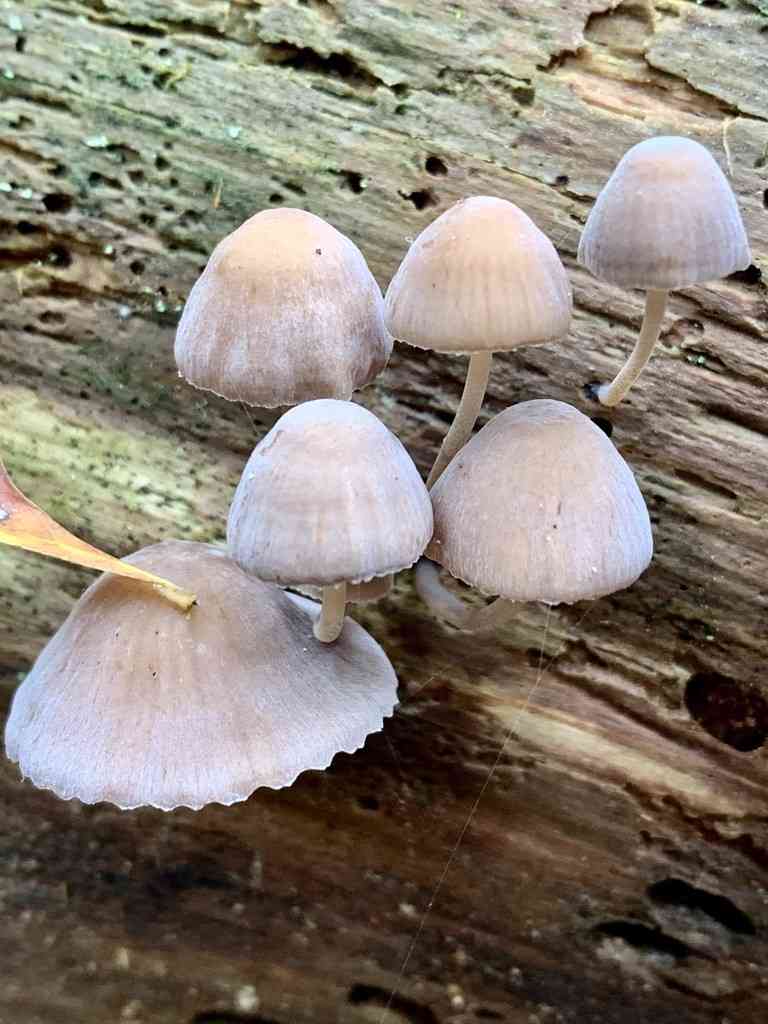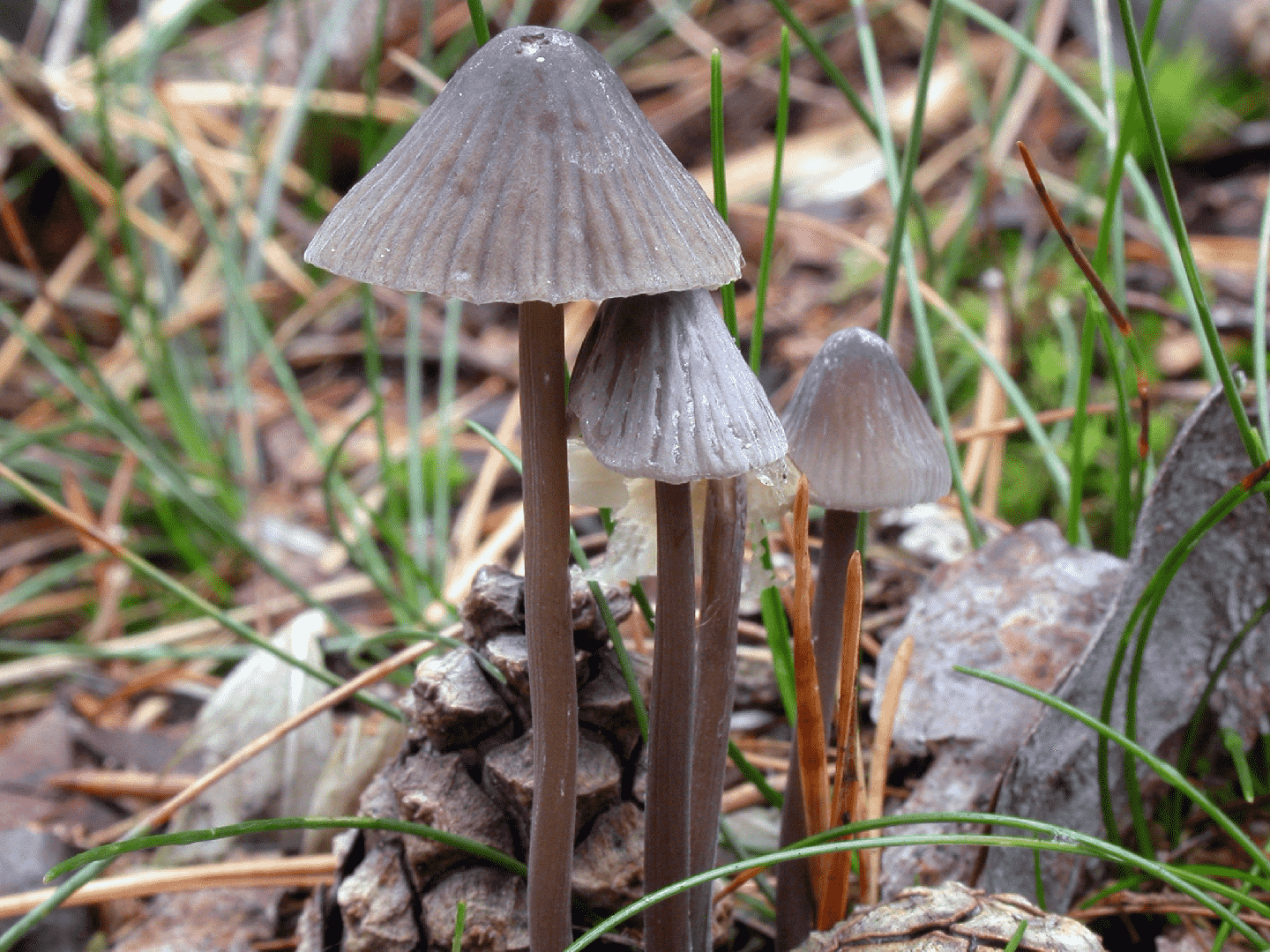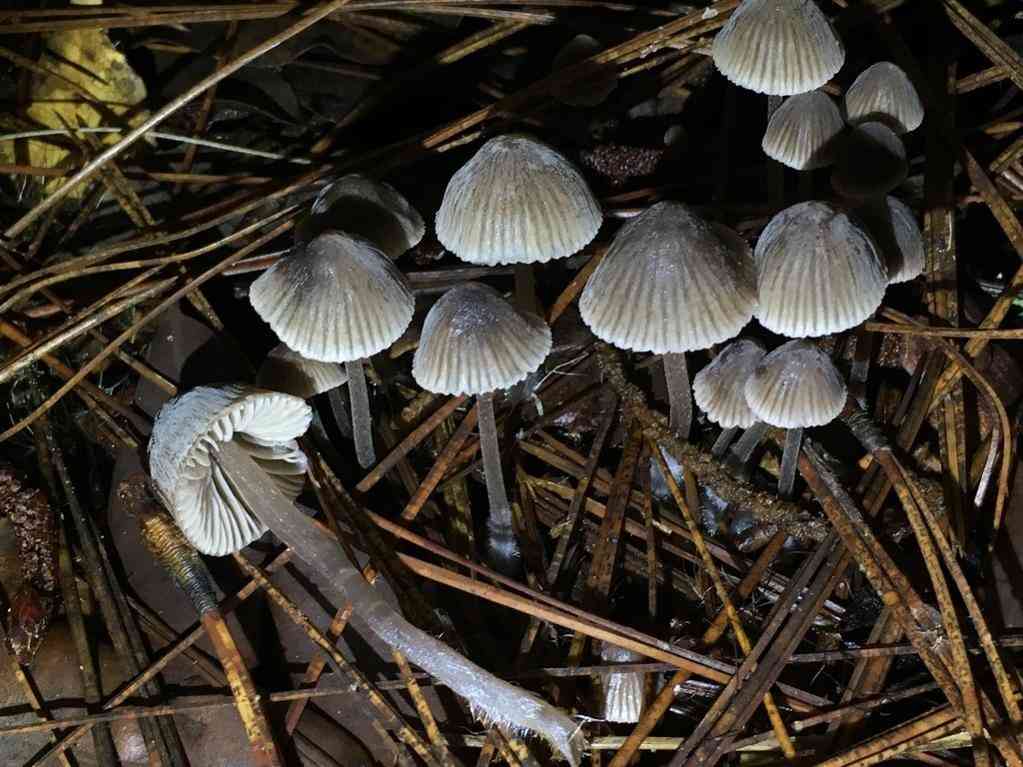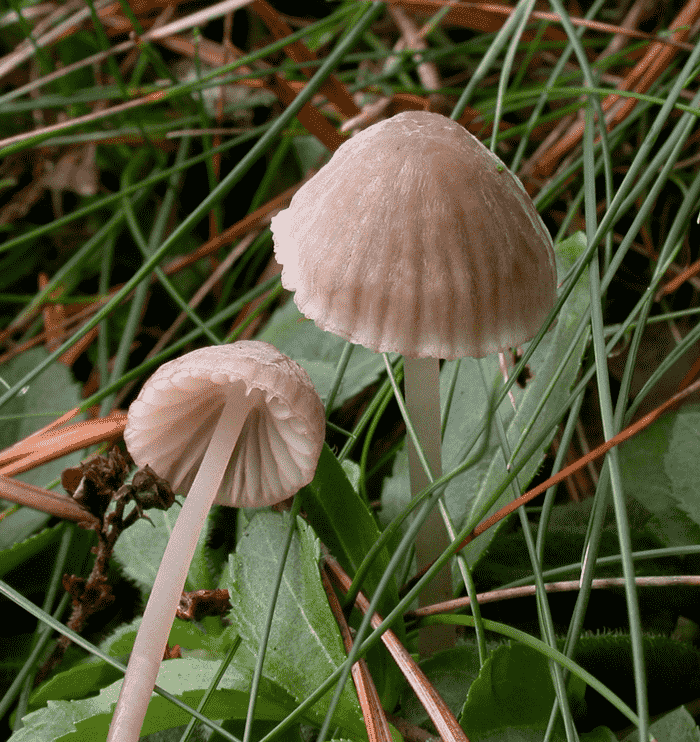
Pinkedge bonnet
Mycena capillaripes
A species of Bonnets.
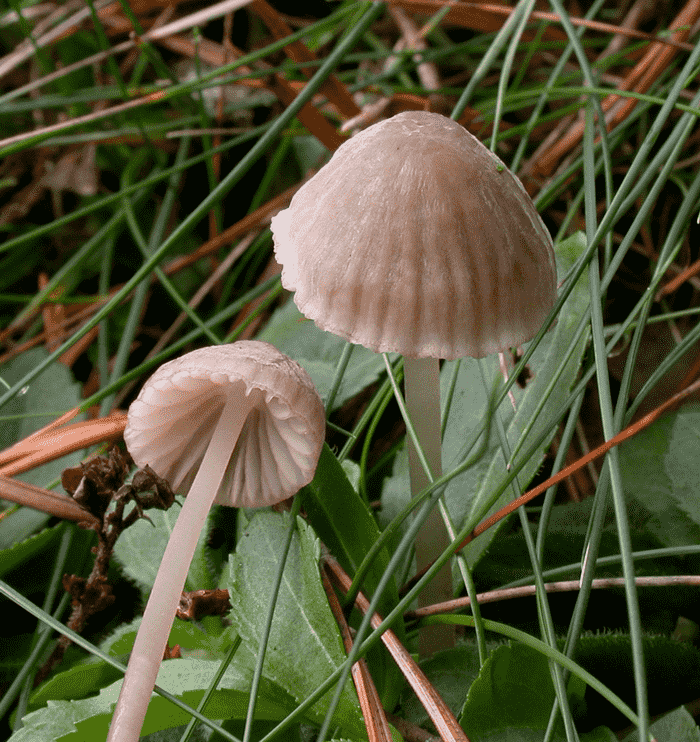
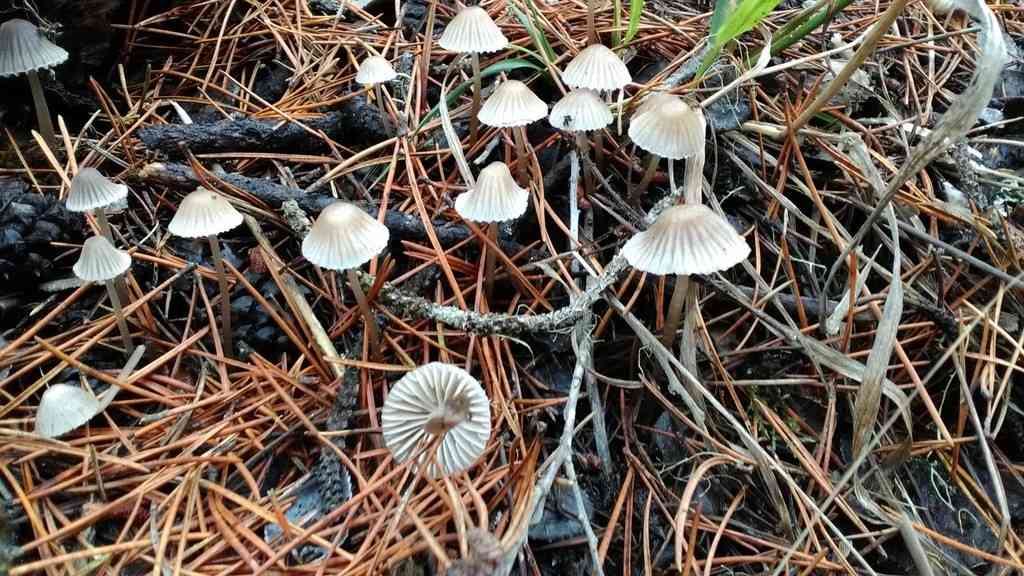
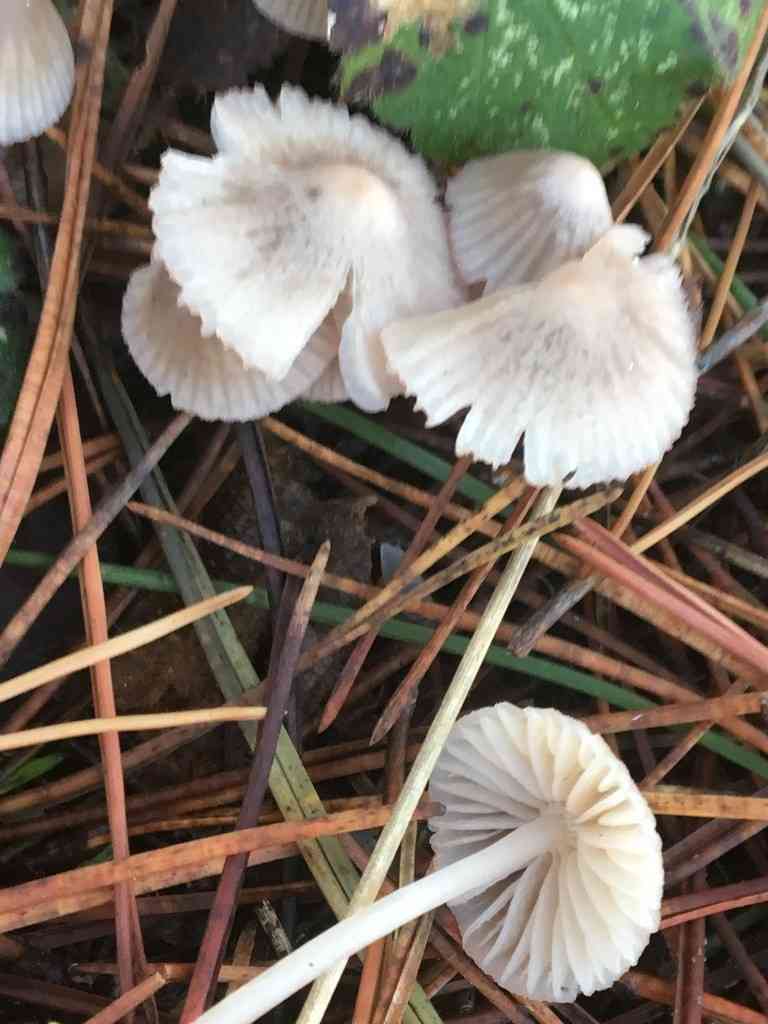
You're most likely to spot this particular small mushroom nestled among discarded pine needles, though it's not unheard of for it to emerge from a layer of fallen deciduous leaves. The Pinkedge bonnet emits a distinct nitrous scent, reminiscent of bleach. Its presence spans the northern hemisphere, yet it's not an abundant species. Typically, it emerges in clusters, either spread out or tightly packed, following periods of rainfall.
In This Article
Attributes of Pinkedge bonnet
Cap Diameter
1 - 2 cm
Height
4 - 6 cm
Cap
Cap 1 - 2 cm across; convex to bell-shaped; grey-brown; smooth; margin entire to slightly scalloped
Cap Shape
Convex, Bell-shaped, Central Bump
Cap Surfaces
Smooth, Visible lines or stripes
Gills
Adnate; close; ashy-grey, pinkish
Gill Attachment
Attached
Stem
Stem 4 - 6 cm long, 1 - 2 mm thick; grey, greyish brown, whitish to grey; straight to curved, terete; smooth polished
Stem Shapes
Cylindrical
Stem Surfaces
Smooth
Flesh
Thin; grey
Ring
Ringless
Spore Print Color
White
Odor
Mildly chemical, similar to ammonia.
Body Color
BrownRedGrayPurple
Flesh Bruises
The flesh or milk does not discolor when bruised or cut.
Growth Form
Scattered, Gregarious
Nutrient Gathering
Saprophytic
Substrate
Leaf or Needle Litter, On soil
You can find Pinkedge bonnet by these plants
Pines, Spruces, Firs
Occurence Habitats
Coniferous Woodland
Species Status
Fairly uncommon
Endangered Species
No
Scientific Classification of Pinkedge bonnet
Phylum
Club fungi
Class
Mushroom-forming fungi
Order
Gilled fungi
Family
Bonnet mushrooms
Genus
Bonnets
Toxicity and Edibility of Pinkedge bonnet
Is Pinkedge bonnet Toxic?
Toxicity information is not available for this mushroom. Always consult with an expert before consuming any wild mushrooms.