Nitrous bonnet
Mycena leptocephala
A species of Bonnets.
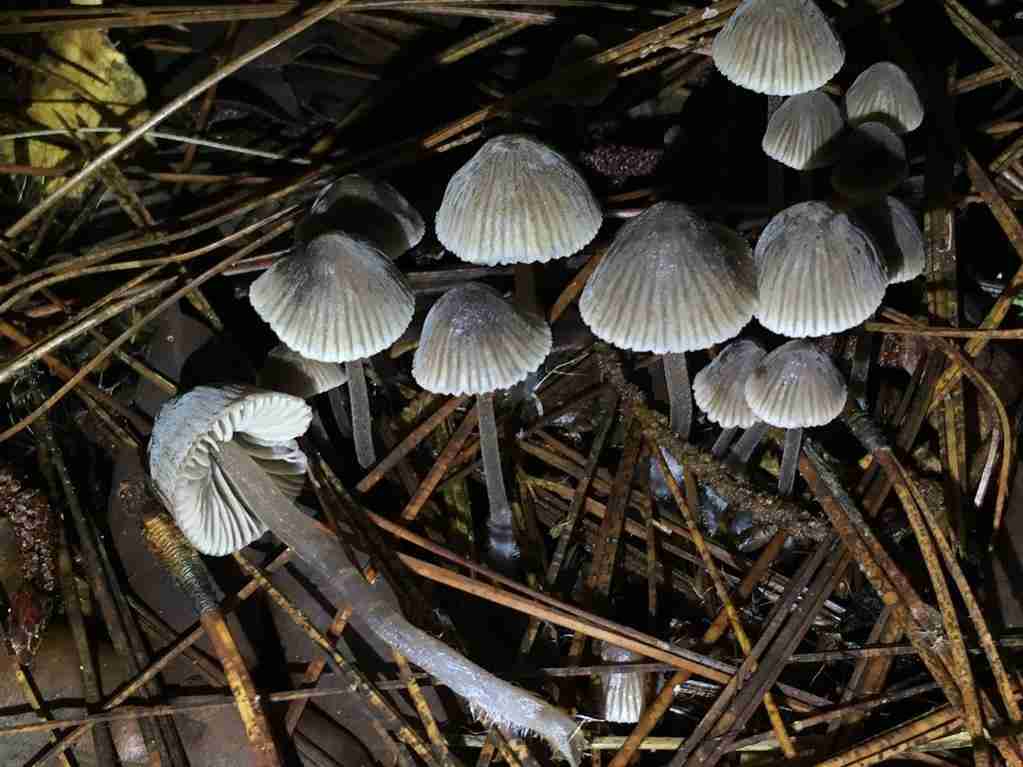
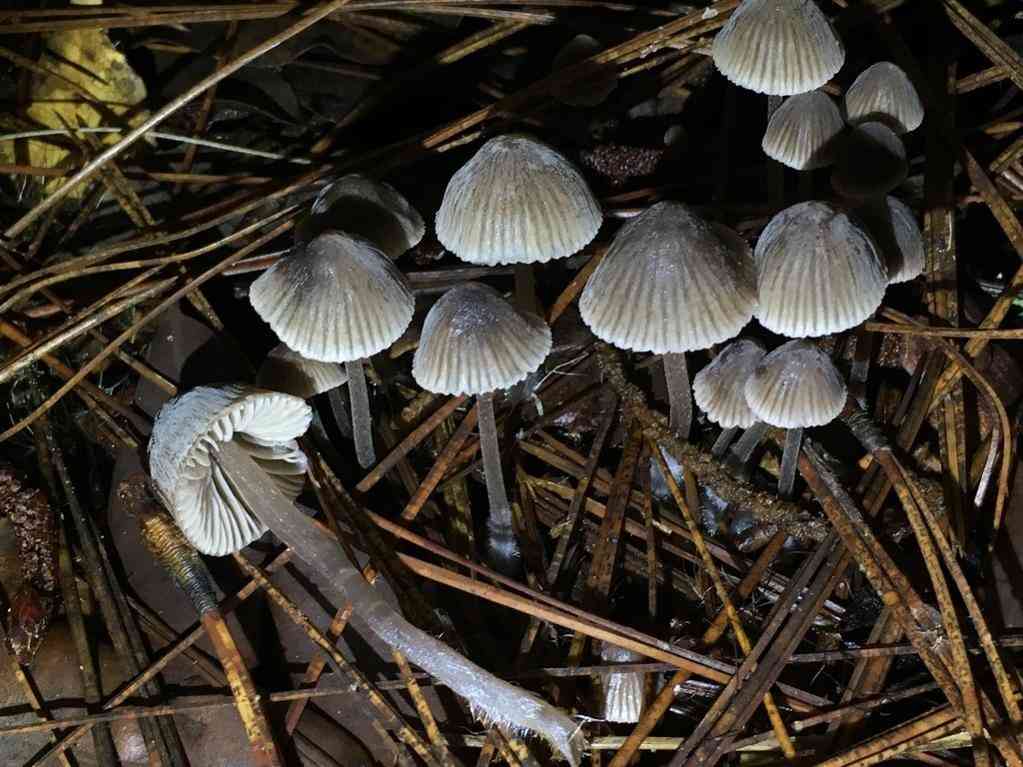
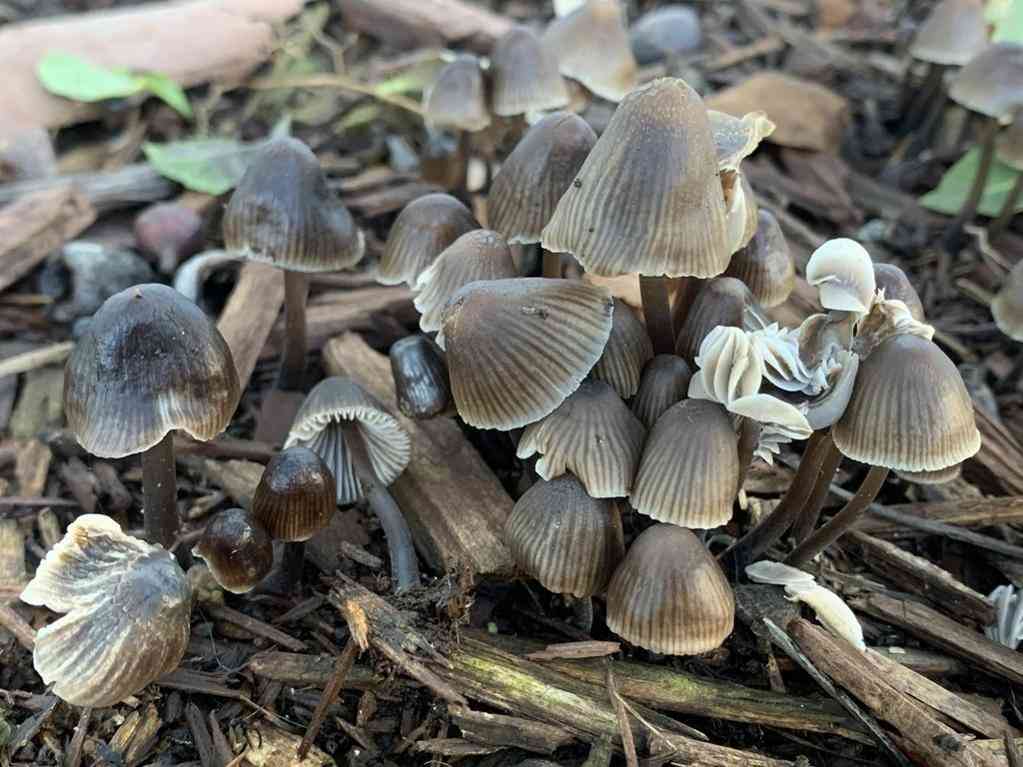
These clustered fungi thrive on coniferous stumps and logs throughout North America, Asia, and Europe. Known as nitrous bonnets, they emit a strong scent of bleach, radish, and garlic when bruised. They are inedible, and their distinct odor typically deters consumption.
In This Article
Attributes of Nitrous bonnet
Cap Diameter
1 - 4 cm
Height
3 - 8 cm
Cap
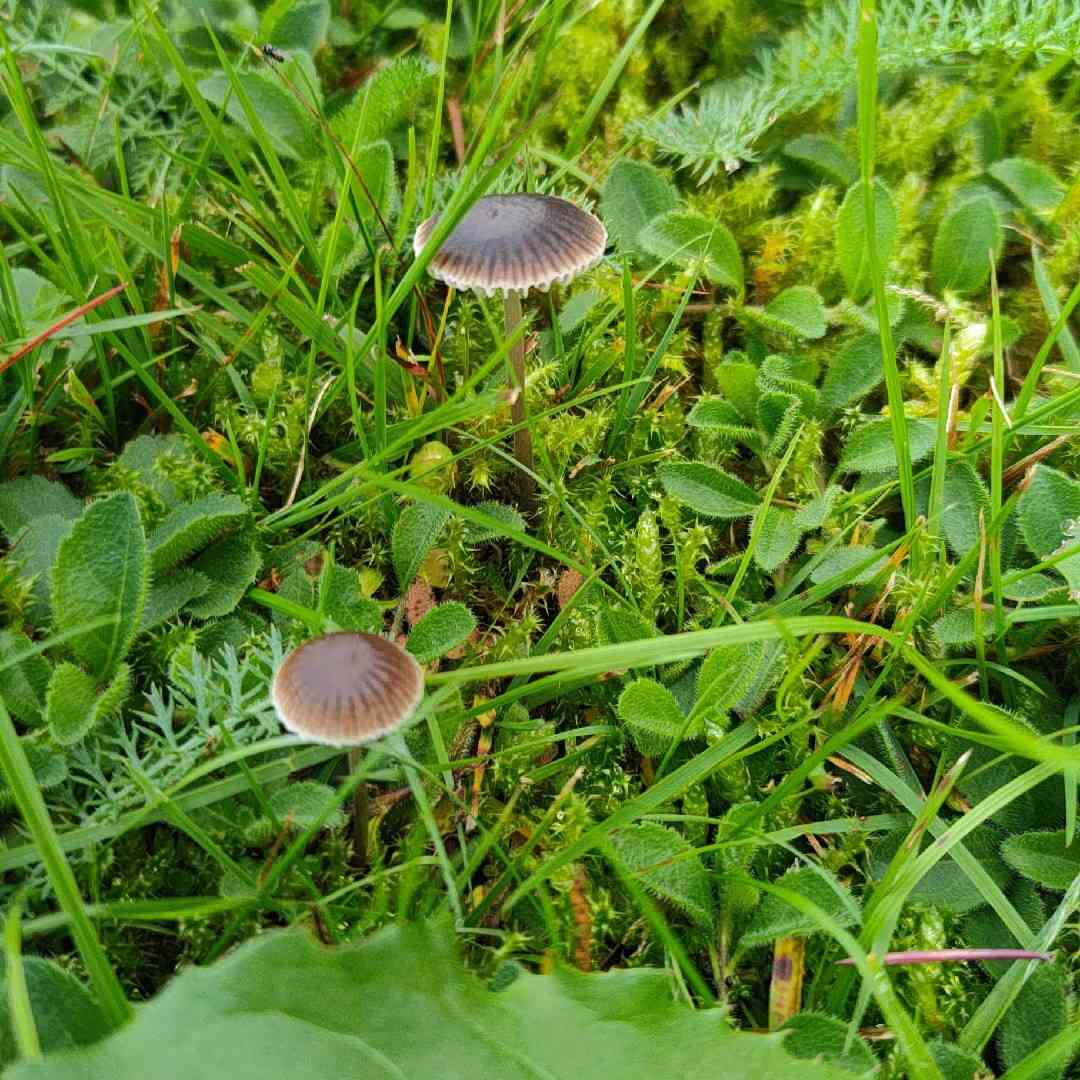
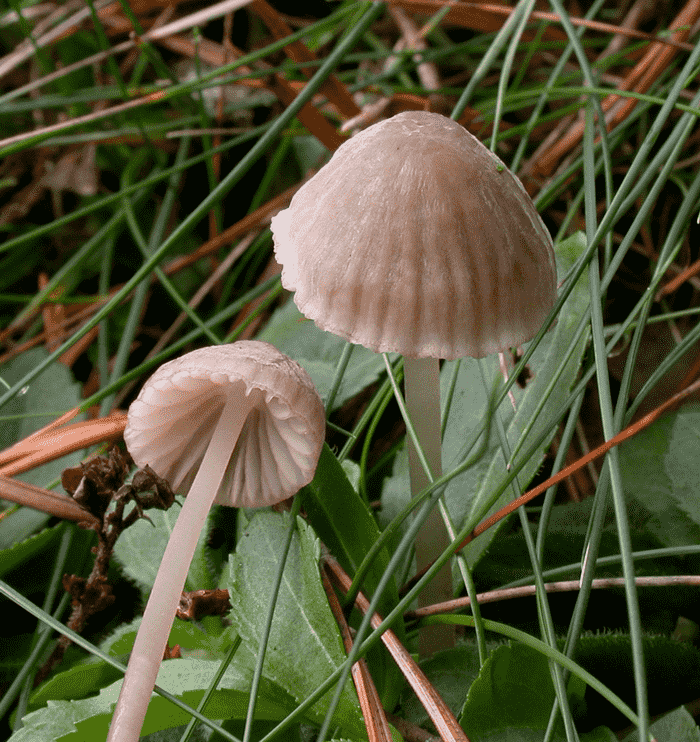
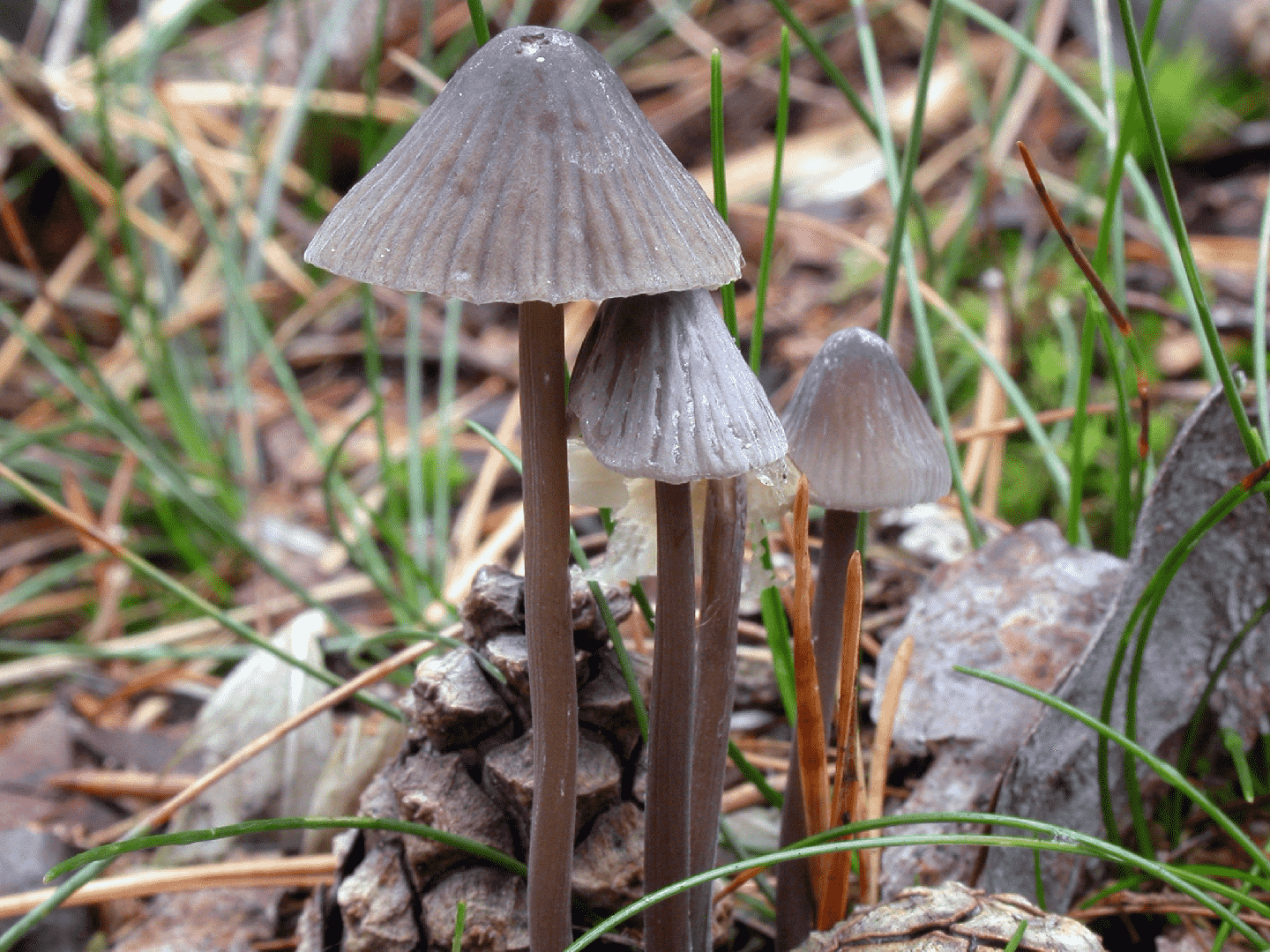
1 - 4 cm; conical, convex, broadly bell-shaped; black or dark grayish brown, gray
Cap Shape
Convex, Bell-shaped
Cap Surfaces
Smooth, Visible lines or stripes
Gills
Adnexed; nearly distant; whitish or pale grayish
Gill Attachment
Attached
Stem
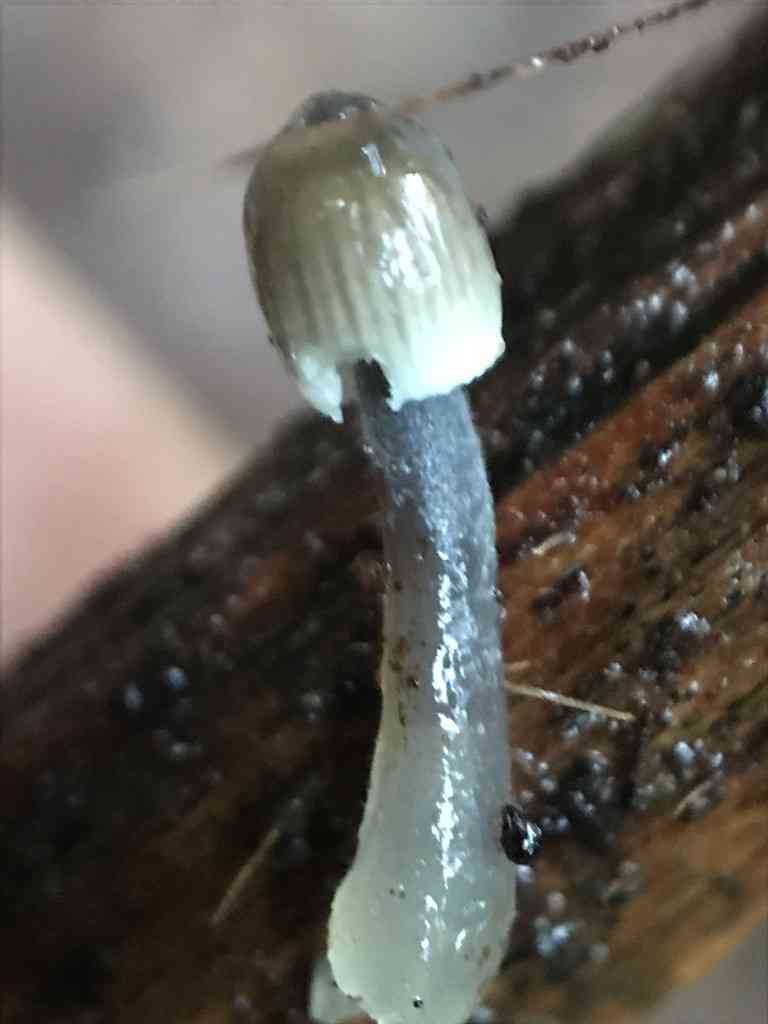
3 - 7 cm long; 1 - 3 mm thick; fragile, equal, hollow; black to dark brown, grayish or brownish
Stem Shapes
Cylindrical
Stem Surfaces
Smooth
Flesh
Insubstantial; pallid or grayish
Ring
Ringless
Spore Print Color
White
Odor
Strong chlorine-like scent.
Body Color
BrownBlackGray
Flesh Bruises
The flesh or milk does not discolor when bruised or cut.
Growth Form
Scattered, Gregarious
Nutrient Gathering
Saprophytic
Substrate
Leaf or Needle Litter, On soil
You can find Nitrous bonnet by these plants
Spruces, Firs, Pines
Occurence Habitats
Coniferous Woodland
Species Status
Widely distributed in North America.
Endangered Species
No
Scientific Classification of Nitrous bonnet
Phylum
Club fungi
Class
Mushroom-forming fungi
Order
Gilled fungi
Family
Bonnet mushrooms
Genus
Bonnets
Toxicity and Edibility of Nitrous bonnet
Is Nitrous bonnet Toxic?
Toxicity information is not available for this mushroom. Always consult with an expert before consuming any wild mushrooms.