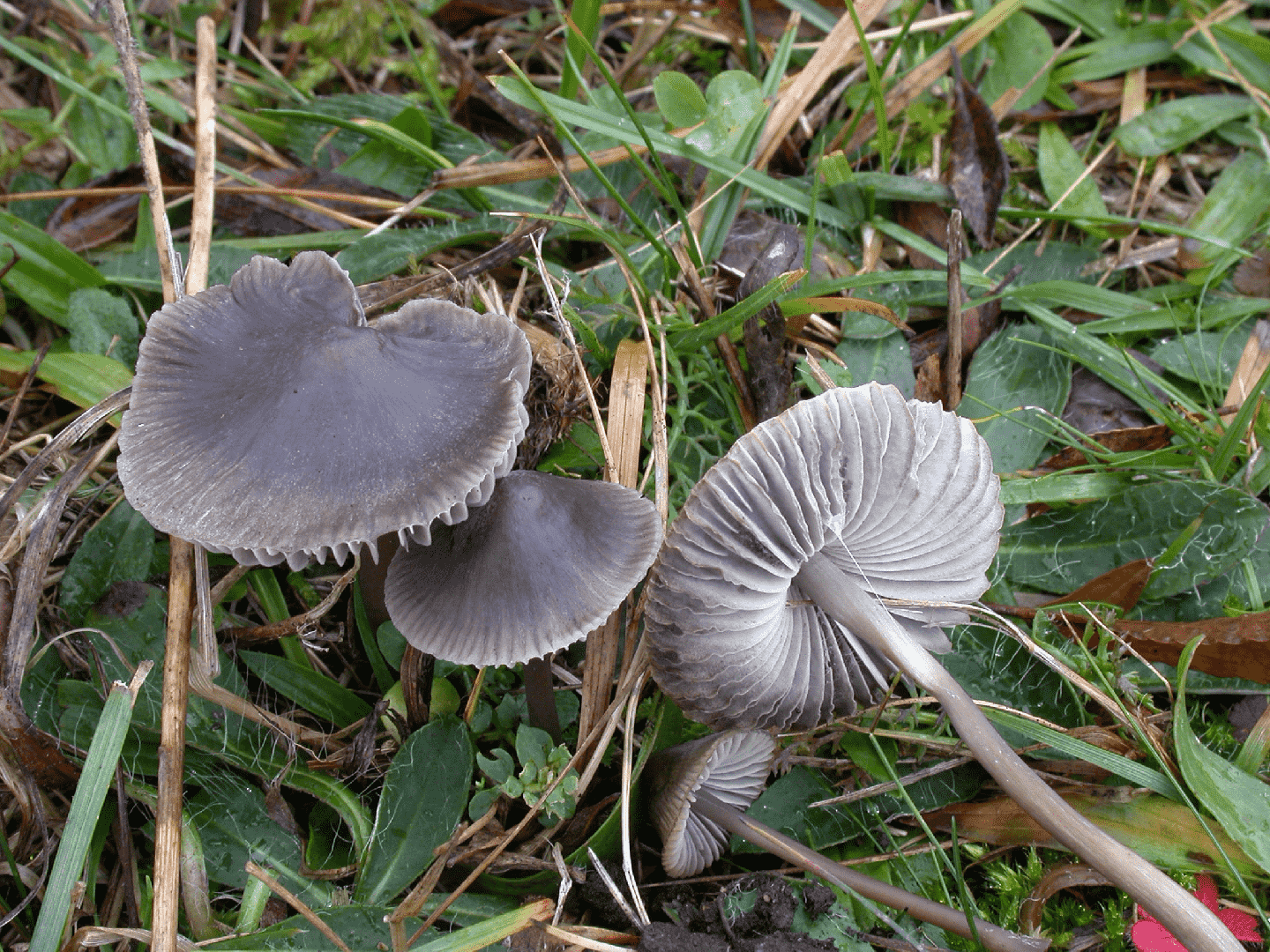
Drab bonnet
Mycena aetites
A species of Bonnets.
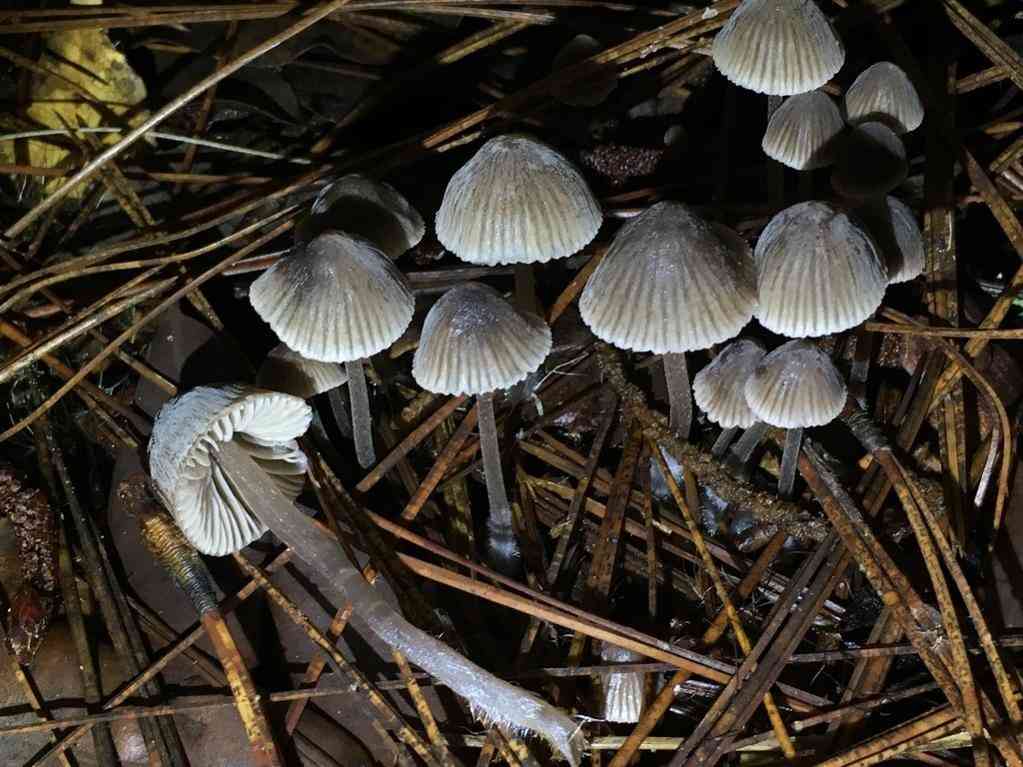
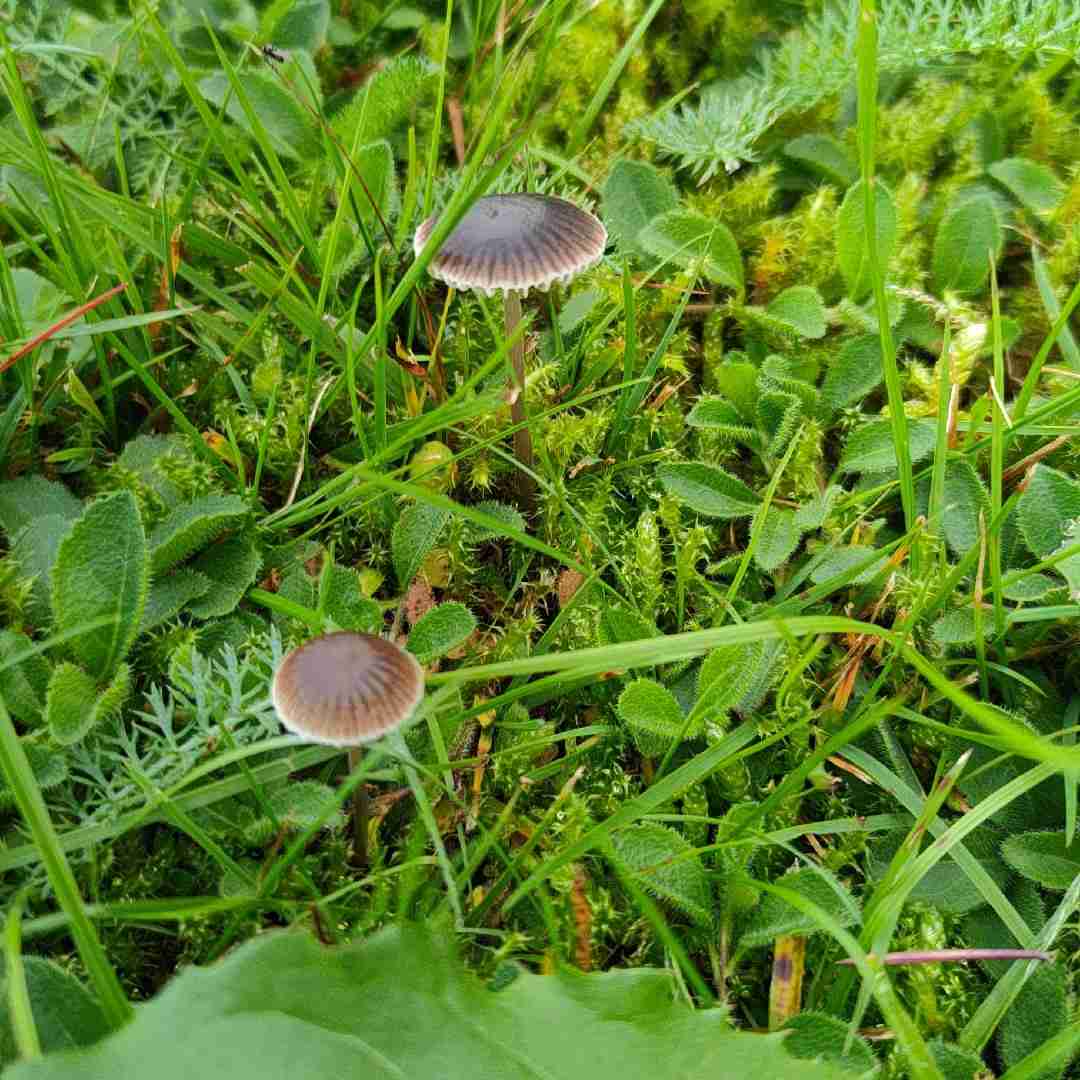
The Drab Bonnet, a diminutive fungus, emits a scent reminiscent of ammonia or radishes. Its scientific name, aetites, alludes to aetite, a mineral once thought by some ancient Greeks to possess mystical properties. This mushroom commonly coexists with waxcap mushrooms, thriving in pastures and cultivated lawns, but struggles in soil that has undergone fertilizer treatment.
In This Article
Attributes of Drab bonnet
Cap Diameter
1 - 2 cm
Height
3 - 5 cm
Cap
Cap 2 cm across; conical, flat, bell-shaped; grey-brown
Cap Shape
Bell-shaped, Central Bump
Cap Surfaces
Smooth, Visible lines or stripes
Gills
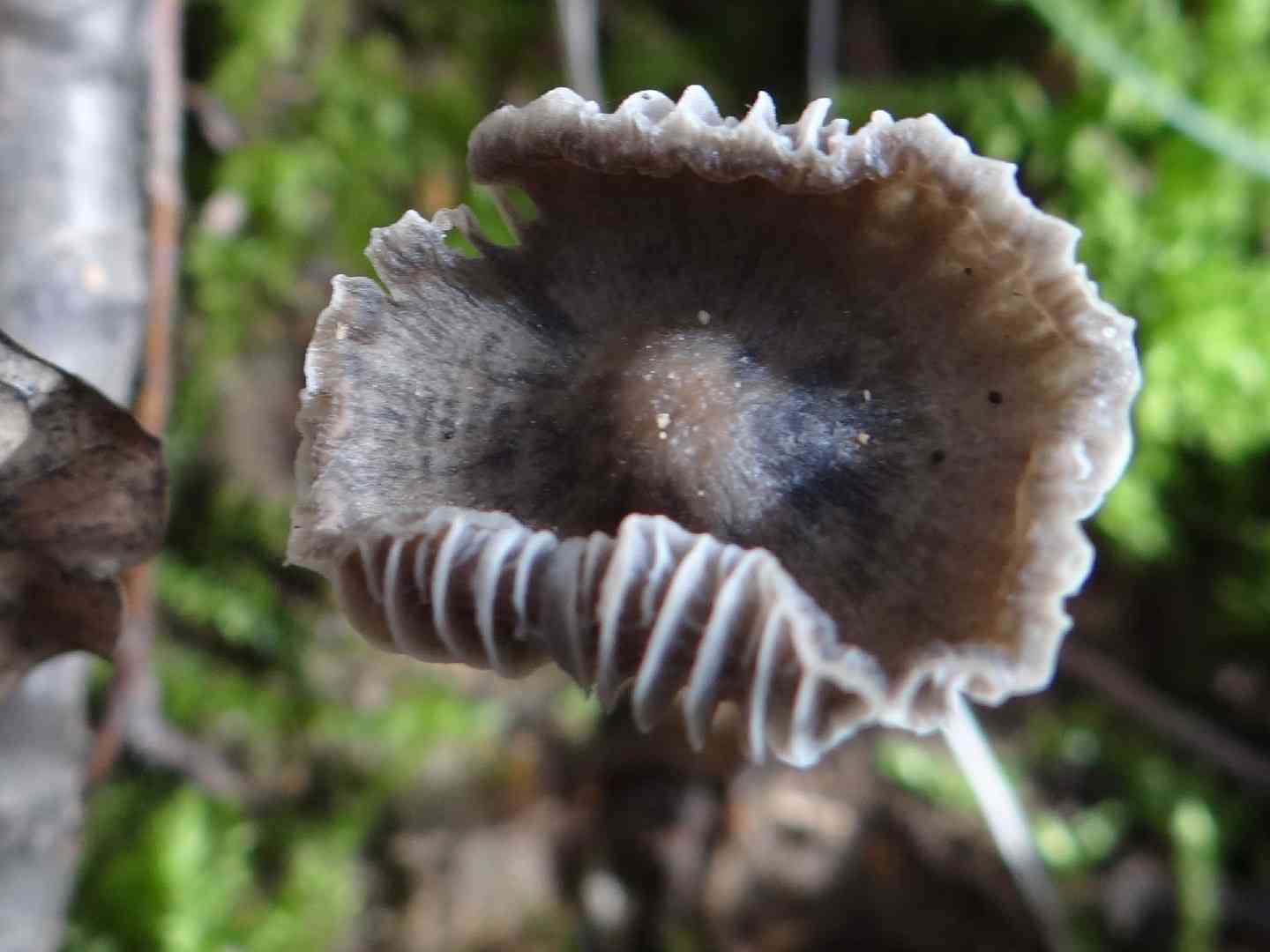
Adnate, decurrent; grey, whitish
Gill Attachment
Decurrent
Stem
Stem 3 - 4.5 cm long, 0.5 - 1 mm thick; dull grey-brown
Stem Shapes
Cylindrical
Stem Surfaces
Smooth
Ring
Ringless
Spore Print Color
White
Odor
Faint bleach-like or radish-like scent.
Body Color
BrownGray
Flesh Bruises
The flesh or milk does not discolor when bruised or cut.
Growth Form
Scattered, Gregarious
Nutrient Gathering
Saprophytic
Substrate
Leaf or Needle Litter, On soil, Mosses
You can find Drab bonnet by these plants
Pines, Lindens
Occurence Habitats
Meadows
Species Status
Rare
Endangered Species
No
Scientific Classification of Drab bonnet
Phylum
Club fungi
Class
Mushroom-forming fungi
Order
Gilled fungi
Family
Bonnet mushrooms
Genus
Bonnets
Toxicity and Edibility of Drab bonnet
Is Drab bonnet Toxic?
Toxicity information is not available for this mushroom. Always consult with an expert before consuming any wild mushrooms.