


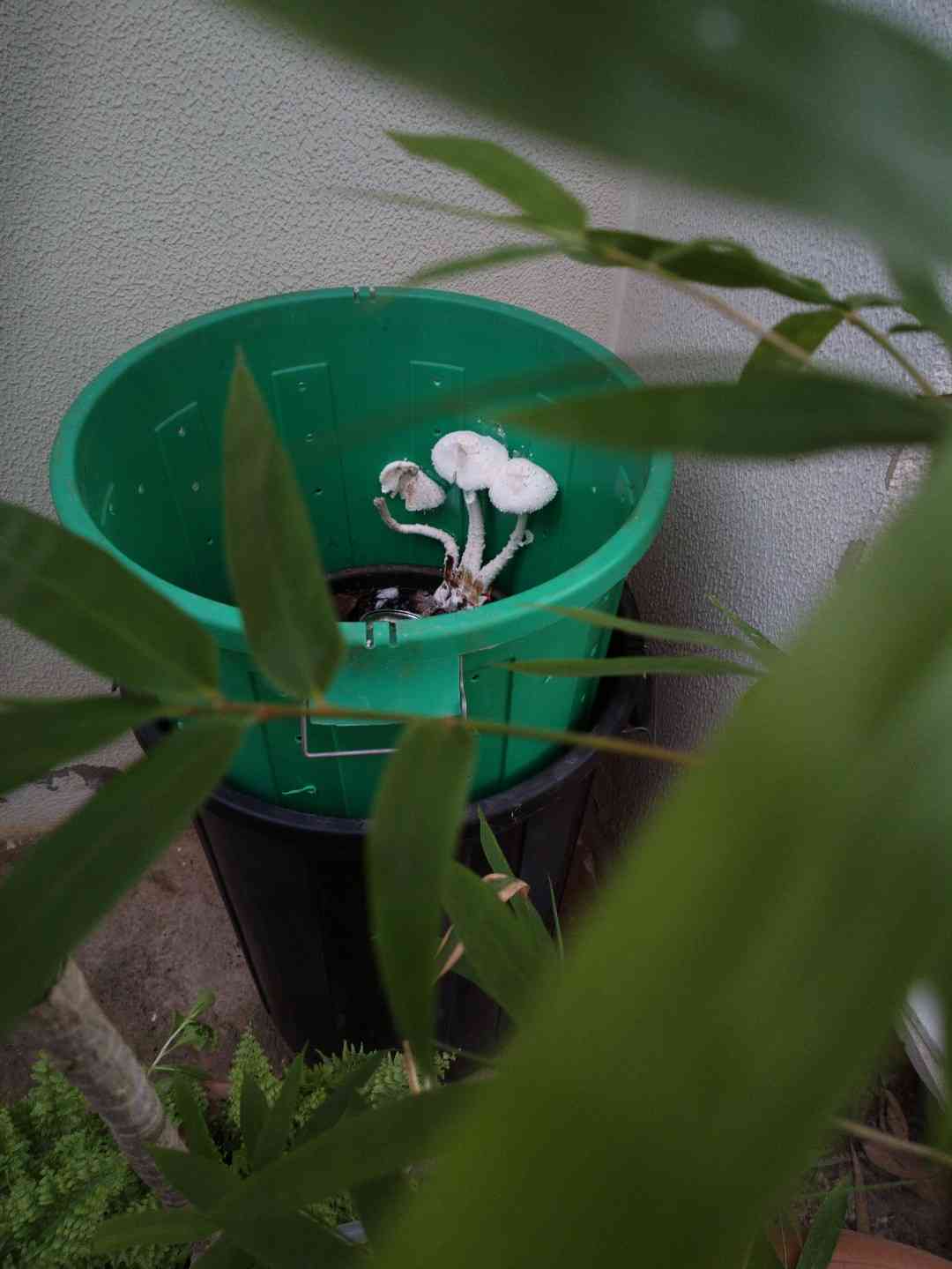
Leucocoprinus cretaceus
Leucocoprinus cretaceus
A species of Leucocoprinus.
Leucocoprinus cretaceus, a mushroom frequently found in tropical and subtropical regions, typically thrives on substrates like dung, wood chips, and sawdust, though it's not uncommon to spot it emerging in planters and greenhouses.
In This Article
Attributes of Leucocoprinus cretaceus
Cap Diameter
2 - 8 cm
Height
3 - 10 cm
Cap
Cap 2 - 8 cm; roundish, expanding to convex or nearly flat; white; dry, covered with small, wart-like scales
Cap Shape
Convex, Flat
Cap Surfaces
Warted
Gills
Free; close or crowded; white
Gill Attachment
Free
Stem
Stem 3 - 8 cm long, 5 - 10 mm thick; with a moderately swollen basev; white; covered with soft scales
Stem Shapes
Club Shaped
Stem Surfaces
Scaly
Flesh
White; unchanging when sliced
Ring
With Ring
Spore Print Color
White to creamy
Odor
Mildly mushroomy but not distinctive.
Body Color
White
Flesh Bruises
The flesh or milk does not discolor when bruised or cut.
Growth Form
Solitary, Gregarious
Nutrient Gathering
Saprophytic
Substrate
On soil
Occurence Habitats
Disturbed Lands
Species Status
Apparently uncommon
Endangered Species
No
Scientific Classification of Leucocoprinus cretaceus
Phylum
Club fungi
Class
Mushroom-forming fungi
Order
Gilled fungi
Family
Agaricaceae
Genus
Leucocoprinus
Toxicity and Edibility of Leucocoprinus cretaceus
Is Leucocoprinus cretaceus Toxic?
Leucocoprinus cretaceus flourishes in high temperatures and moisture, typically appearing from late summer into early autumn. This fungus, known for its gastrointestinal toxicity, induces significant gastric upset, potentially progressing to severe cramps, sickness, perspiration, and erratic vital signs. Its unique, powdery white hue distinguishes it from safe fungal varieties. Ingestion is strongly advised against.
Type of poisoning
Gastrointestinal
Toxic Severity
Low toxicity
Incubation Period
0.5-6 hours
Poisoning Symptoms
Triggers acute gastric distress that can escalate within hours. Symptoms often include severe cramping, nausea, vomiting, and diarrhea. These symptoms can be accompanied by profuse sweating or chills, demonstrating systemic toxicity. The victim may also experience drastic fluctuations in blood pressure and heart rate due to significant fluid loss.