Aniseed cockleshell
Lentinellus cochleatus
A species of Lentinellus.
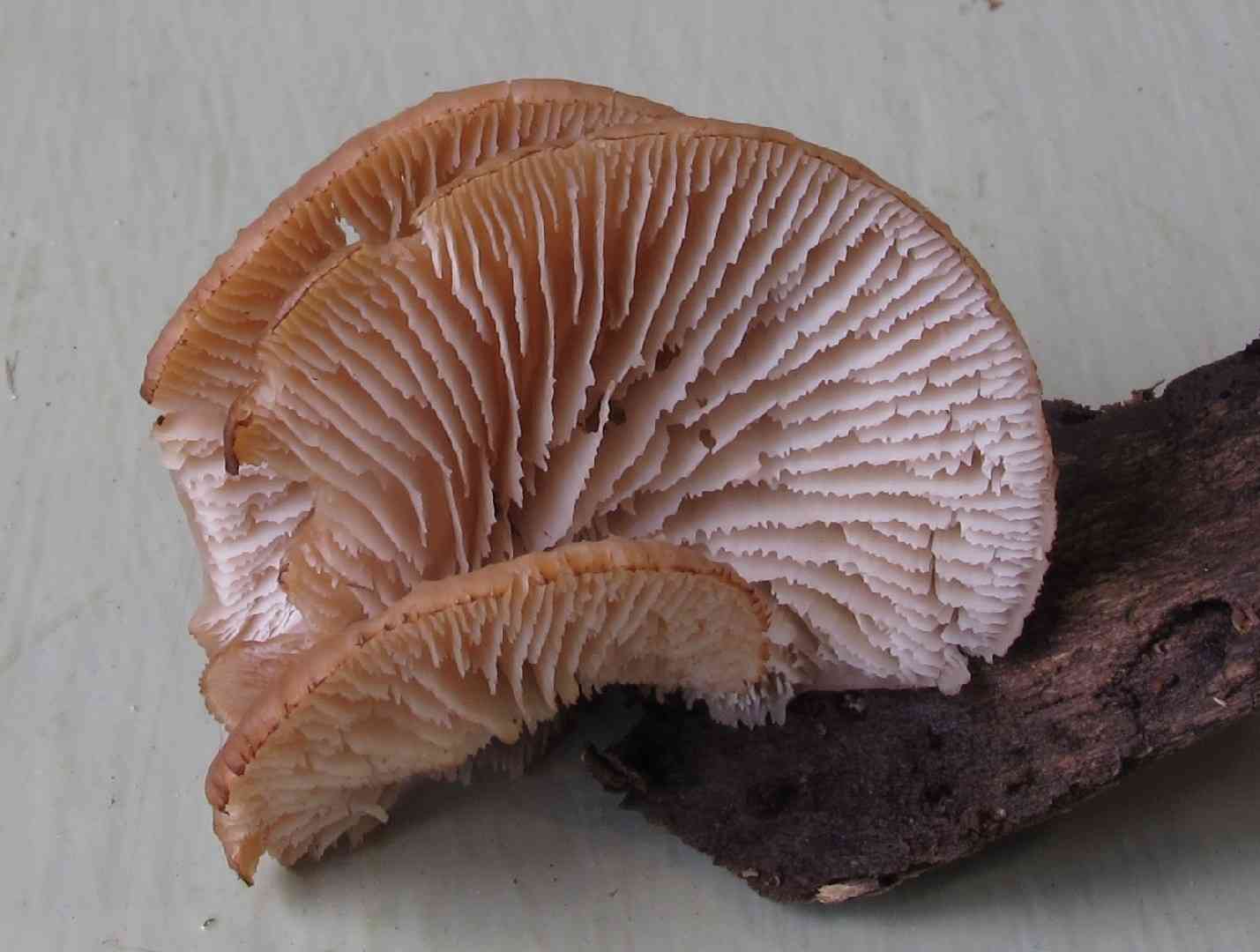
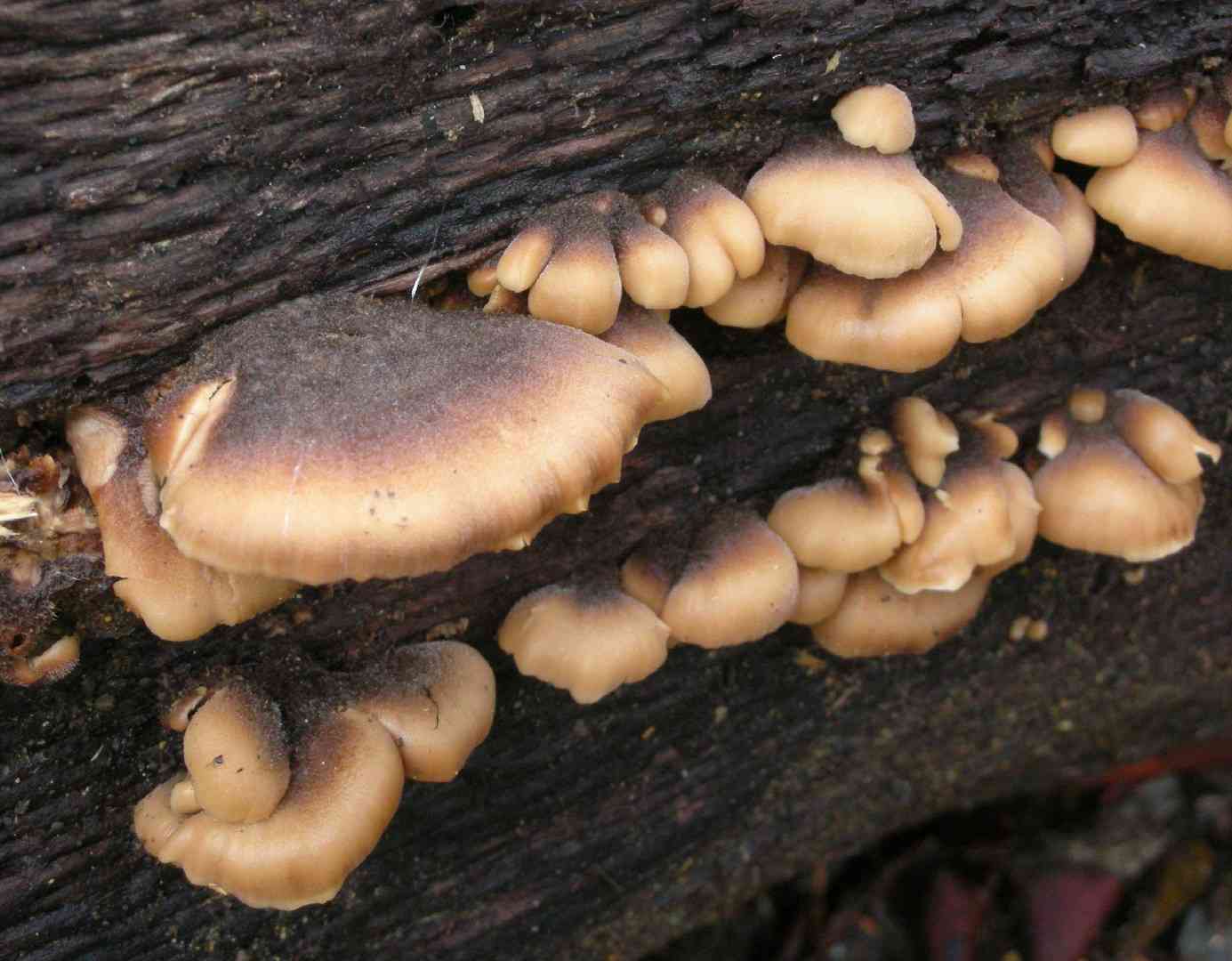
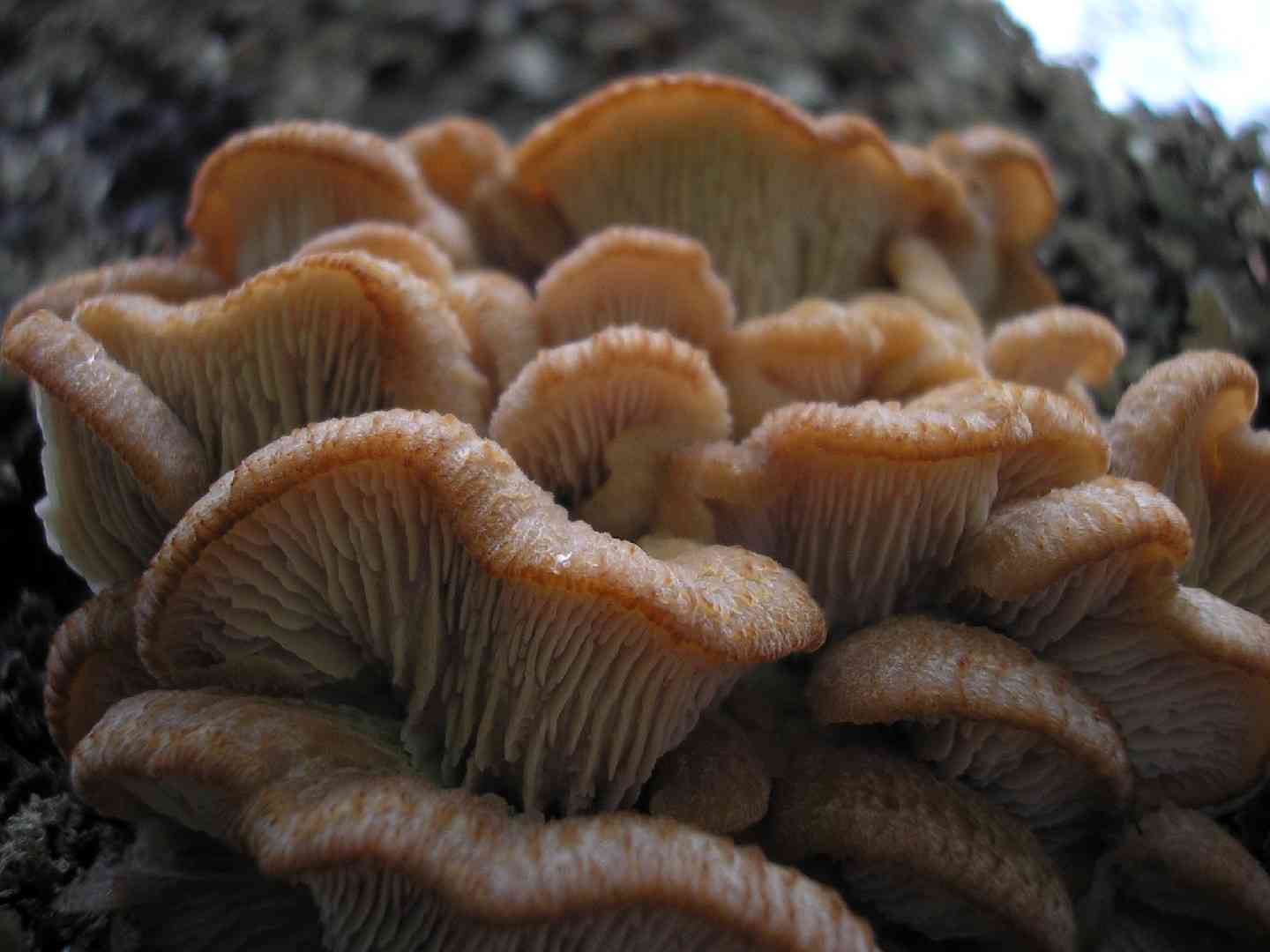
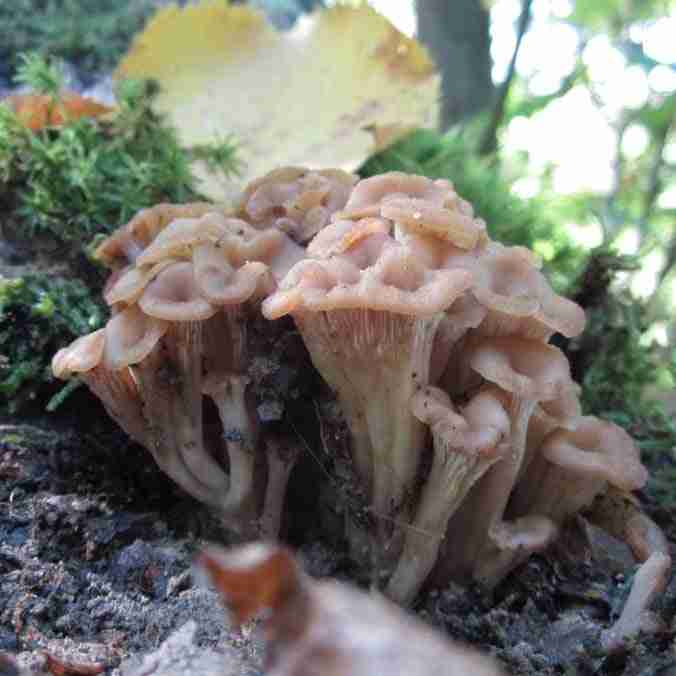
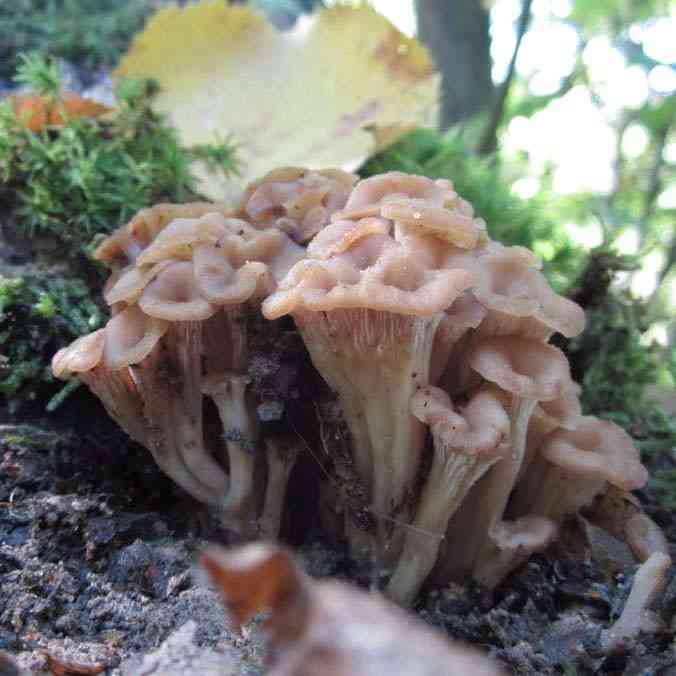
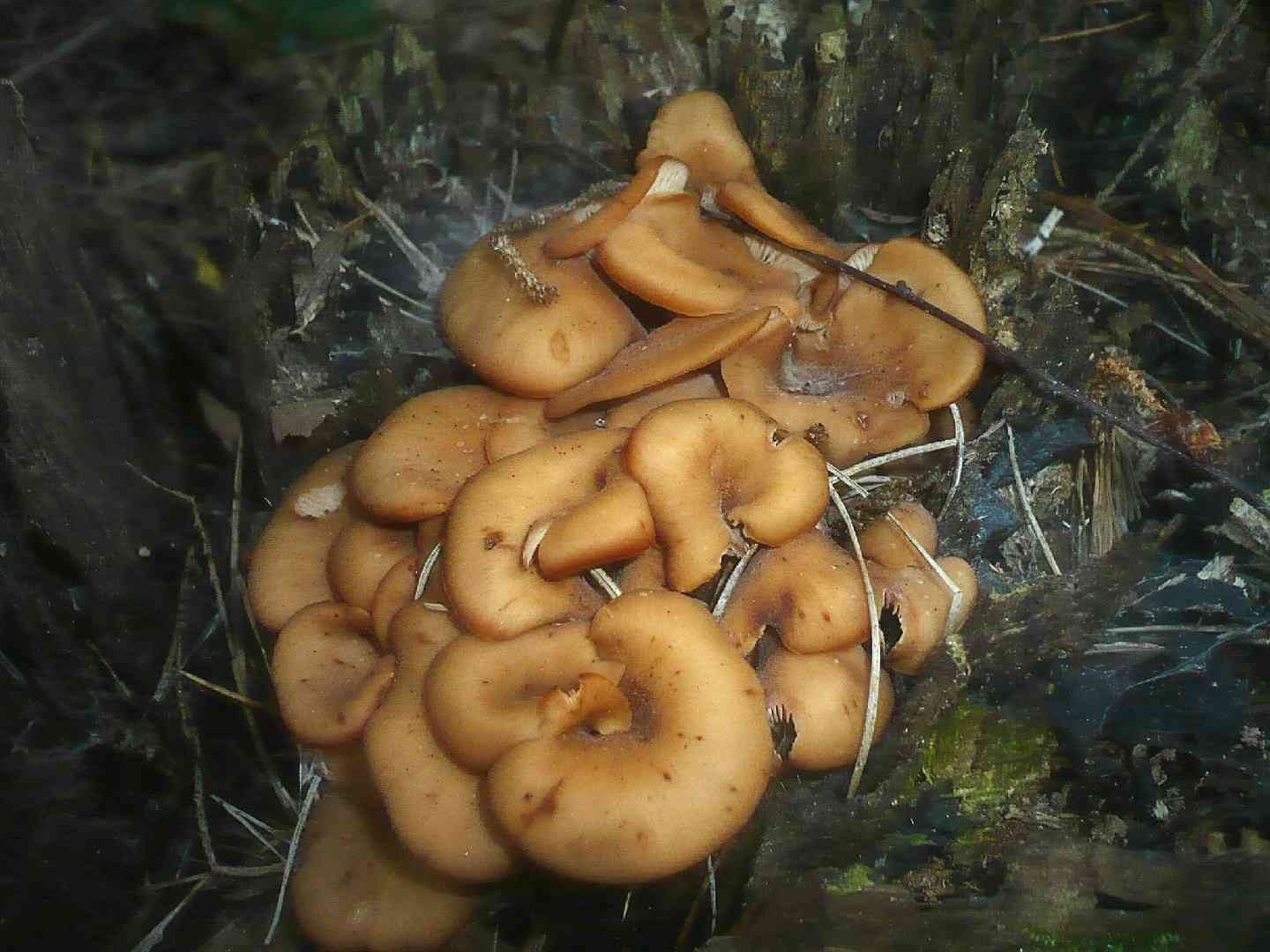
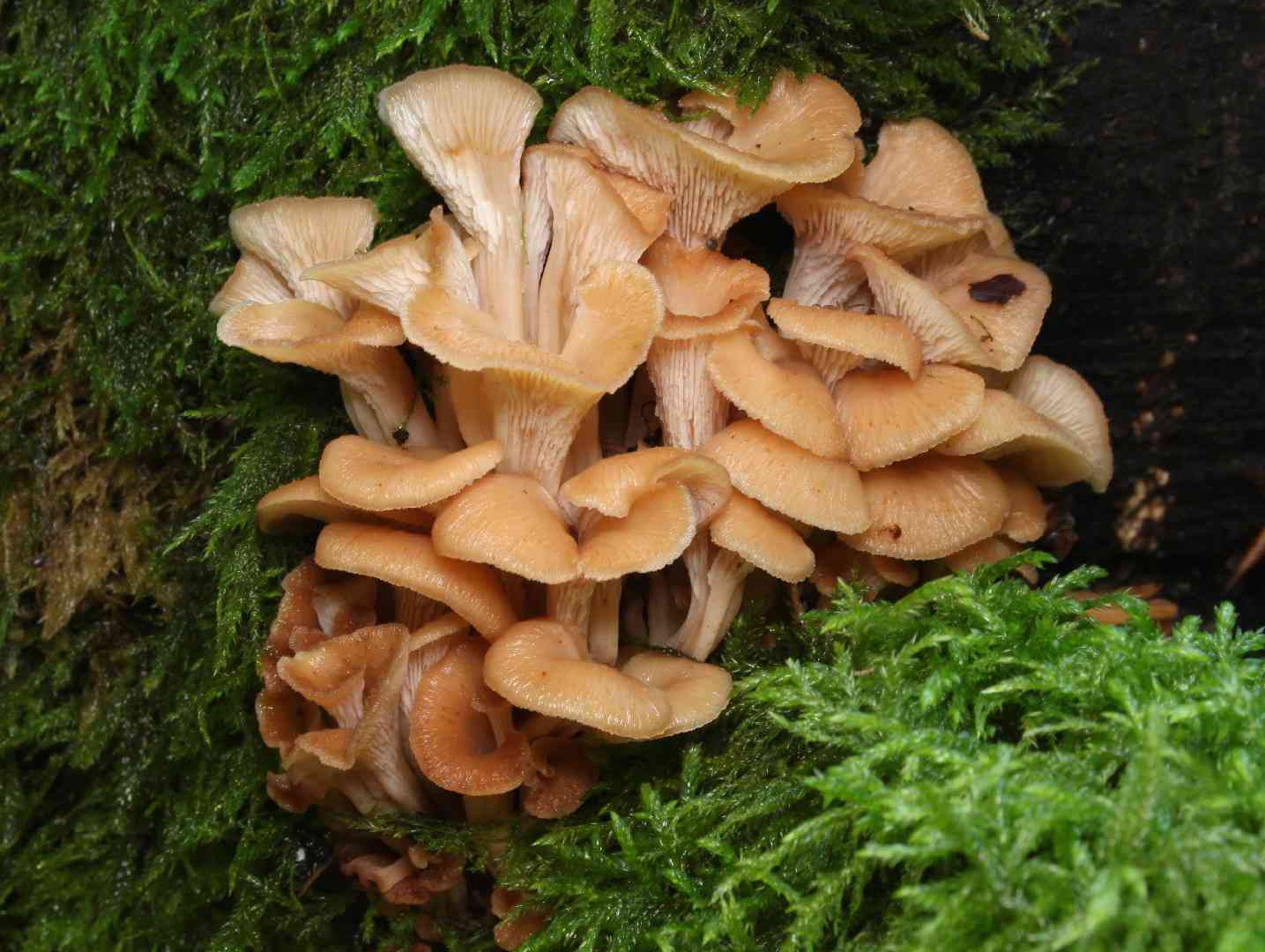
The Aniseed cockleshell, a type of fungus, is characterized by its unique shell-like form and a pattern reminiscent of aniseed, from which it derives its popular name. This mushroom commonly thrives in wooded environments, particularly on deadwood from deciduous trees like fallen logs and stumps. It shows a clear preference for colder temperatures and emerges during specific periods of the year when conditions are optimal for its development.
In This Article
Attributes of Aniseed cockleshell
Cap Diameter
3 - 7 cm
Height
1.5 - 8 cm
Cap
Cap 3 - 7 cm across; deeply funnel-shaped; tan to pinkish brown; surface smooth
Cap Shape
Depressed
Gills
Decurrent; crowded; whitish to pale brown
Gill Attachment
Decurrent
Stem
Stem 3 - 7 cm long, 8 - 15 mm thick; brown
Stem Shapes
Tapering
Stem Surfaces
Smooth
Flesh
Tough; pinkish
Ring
Ringless
Spore Print Color
White
Odor
Anise-like fragrance when present.
Body Color
Brown
Flesh Bruises
The flesh or milk does not discolor when bruised or cut.
Growth Form
Scattered, Gregarious
Nutrient Gathering
Saprophytic
Substrate
Dead Woods
You can find Aniseed cockleshell by these plants
European beech, Oaks
Occurence Habitats
Deciduous Woodland
Species Status
Uncommon
Endangered Species
No
Scientific Classification of Aniseed cockleshell
Phylum
Club fungi
Class
Mushroom-forming fungi
Order
Russulales
Family
Auriscalpiaceae
Genus
Lentinellus
Toxicity and Edibility of Aniseed cockleshell
Is Aniseed cockleshell Toxic?
Toxicity information is not available for this mushroom. Always consult with an expert before consuming any wild mushrooms.