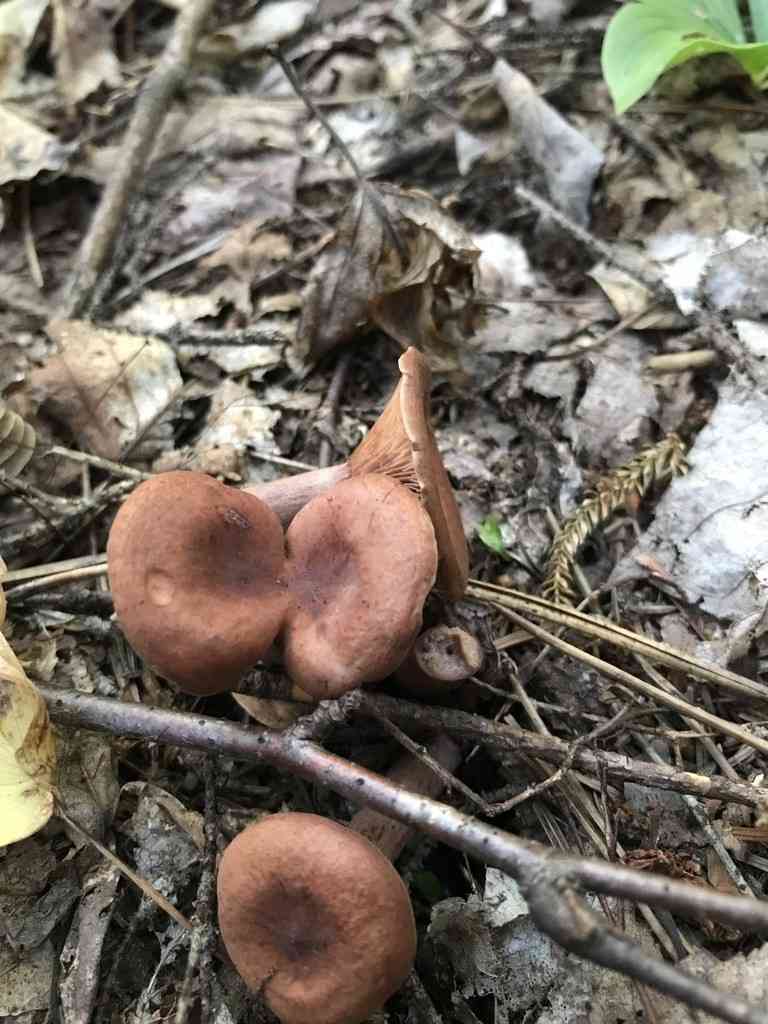
Candy cap
Lactarius camphoratus
A species of Milk-caps.
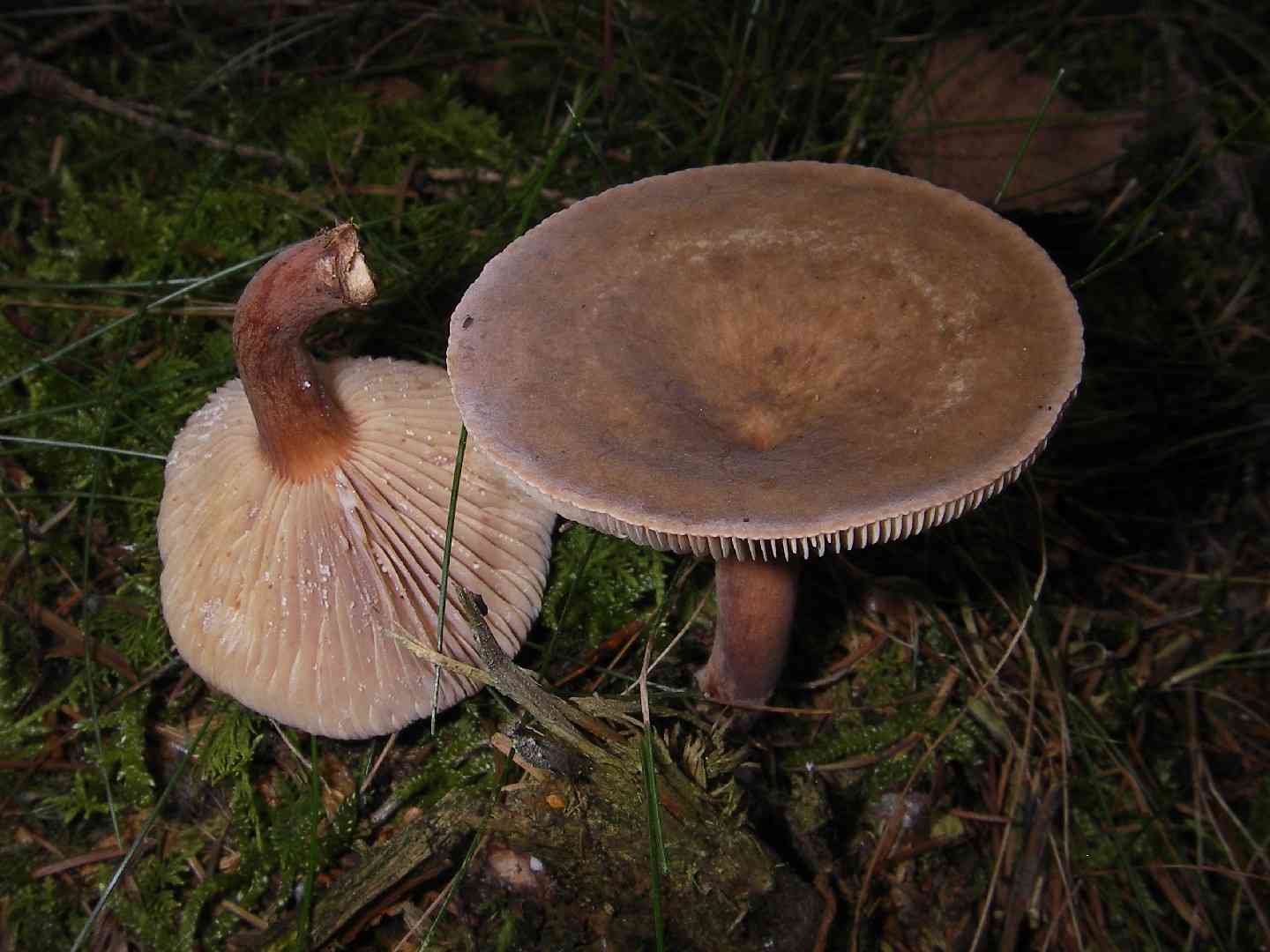
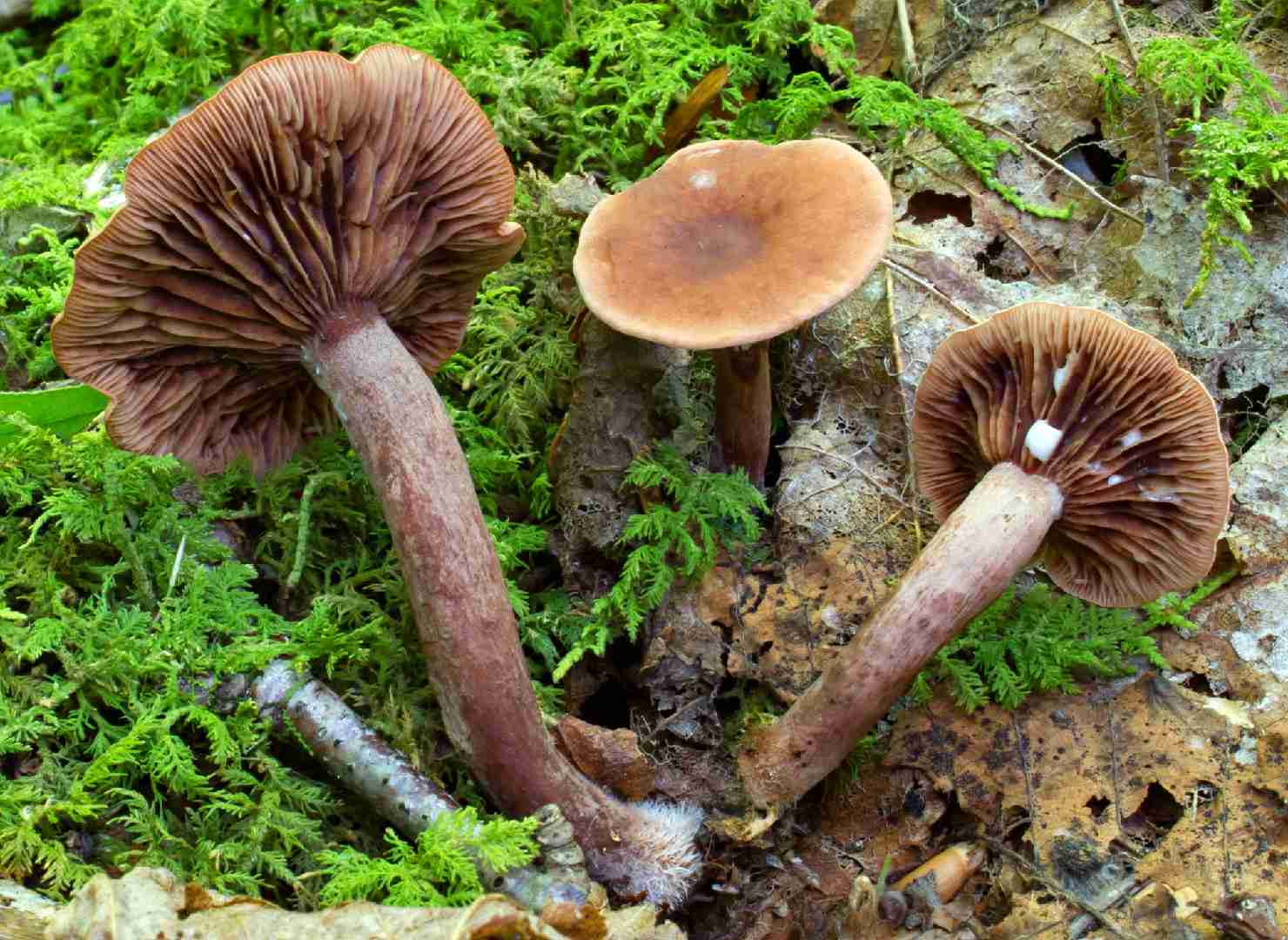
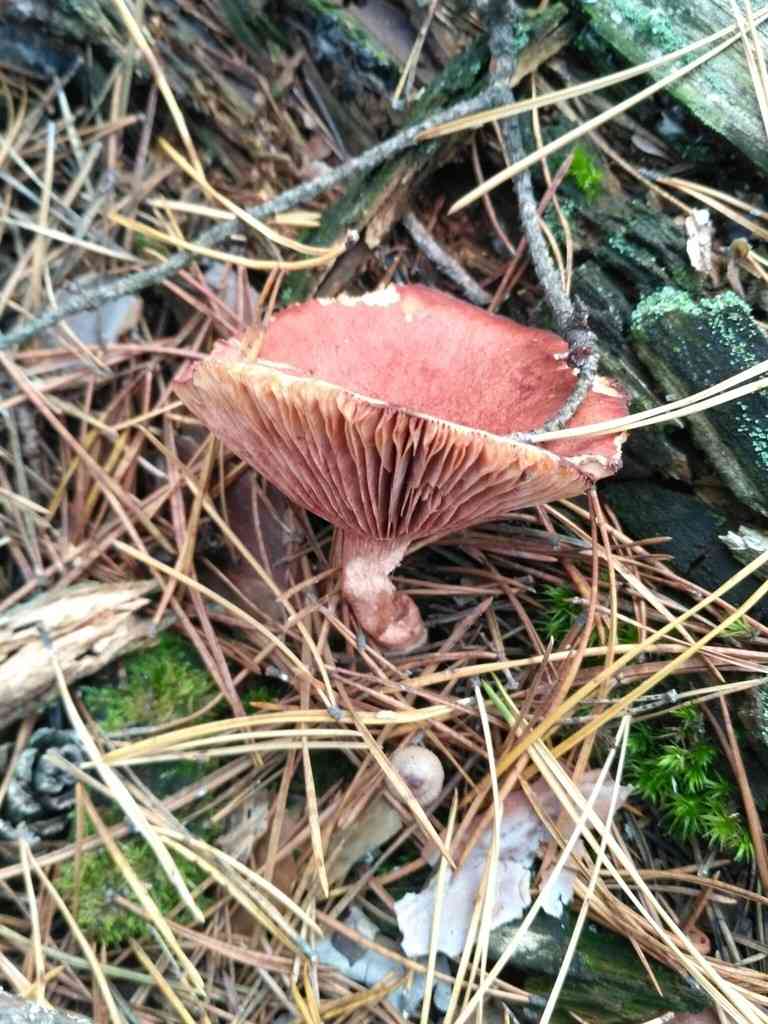
The candy cap, with its distinctive reddish-brown hue and aromatic scent, is easily recognizable. Upon damage, this mushroom exudes a milky fluid. Its common habitats include deciduous woodlands across Europe and eastern North America. While edible, it's primarily valued for its flavor-enhancing qualities, akin to saffron or vanilla.
In This Article
Attributes of Candy cap
Cap Diameter
3 - 6 cm
Height
3 - 10 cm
Cap
Cap 1 - 4 cm across; convex to weakly funnel-shapped; dark brick to reddish brown; surface smooth
Cap Shape
Convex, Depressed, Central Bump
Cap Surfaces
Smooth, Visible lines or stripes
Gills
Attached, shortly decurrent; close, crowded; pale cinnamon-buff to orange-brown
Gill Attachment
Attached
Stem
Stem 1.5 - 6 cm long, 1 cm thick; darker purple-brown; surface smooth
Stem Shapes
Cylindrical
Stem Surfaces
Smooth
Flesh
Pinkish buff
Ring
Ringless
Spore Print Color
Pale ocher to cream
Odor
Curry-like when dried; mildly mushroomy fresh.
Body Color
BrownYellowRedWhiteOrange
Flesh Bruises
The flesh or milk does not discolor when bruised or cut.
Growth Form
Solitary, Scattered, Gregarious
Nutrient Gathering
Mycorrhizal
Substrate
On soil, Mosses
You can find Candy cap by these plants
Water birch, Spruces, Oaks
Occurence Habitats
Coniferous Woodland, Deciduous Woodland
Species Status
Widely distributed
Endangered Species
No
Scientific Classification of Candy cap
Phylum
Club fungi
Class
Mushroom-forming fungi
Order
Russulales
Family
Russulaceae
Genus
Milk-caps
Toxicity and Edibility of Candy cap
Is Candy cap Toxic?
Toxicity information is not available for this mushroom. Always consult with an expert before consuming any wild mushrooms.