Shaggy bracket
Inonotus hispidus
A species of Inonotus.
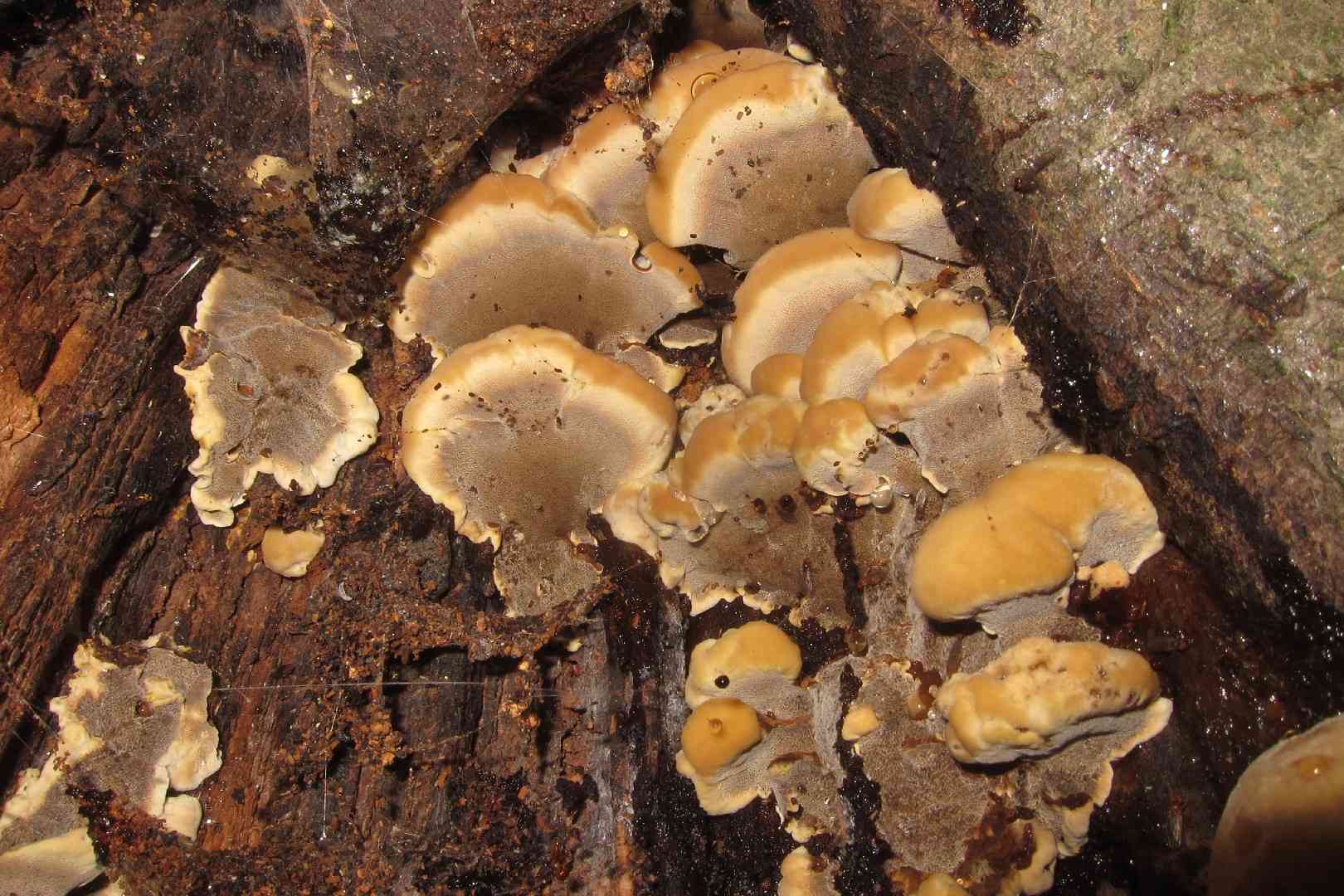
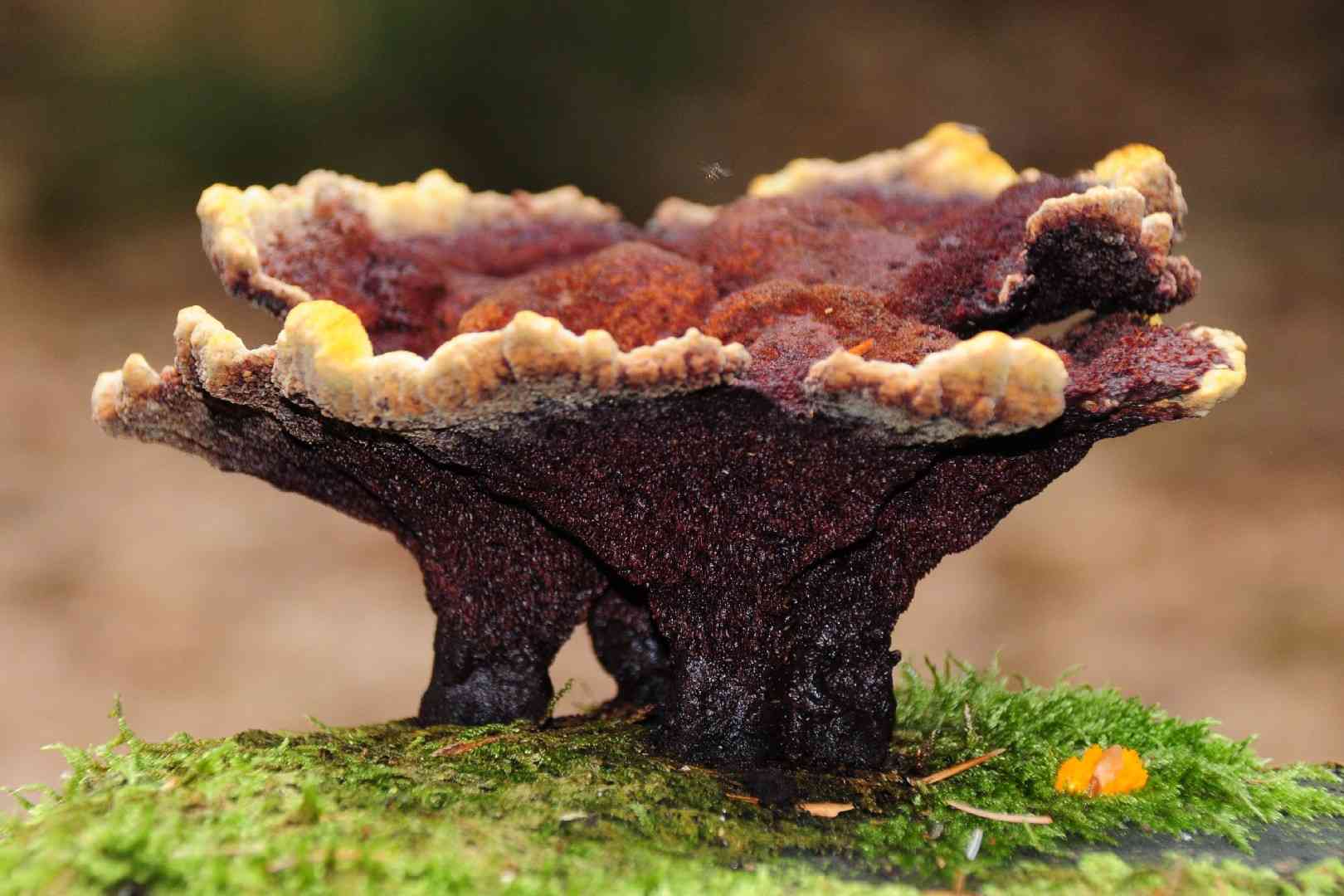
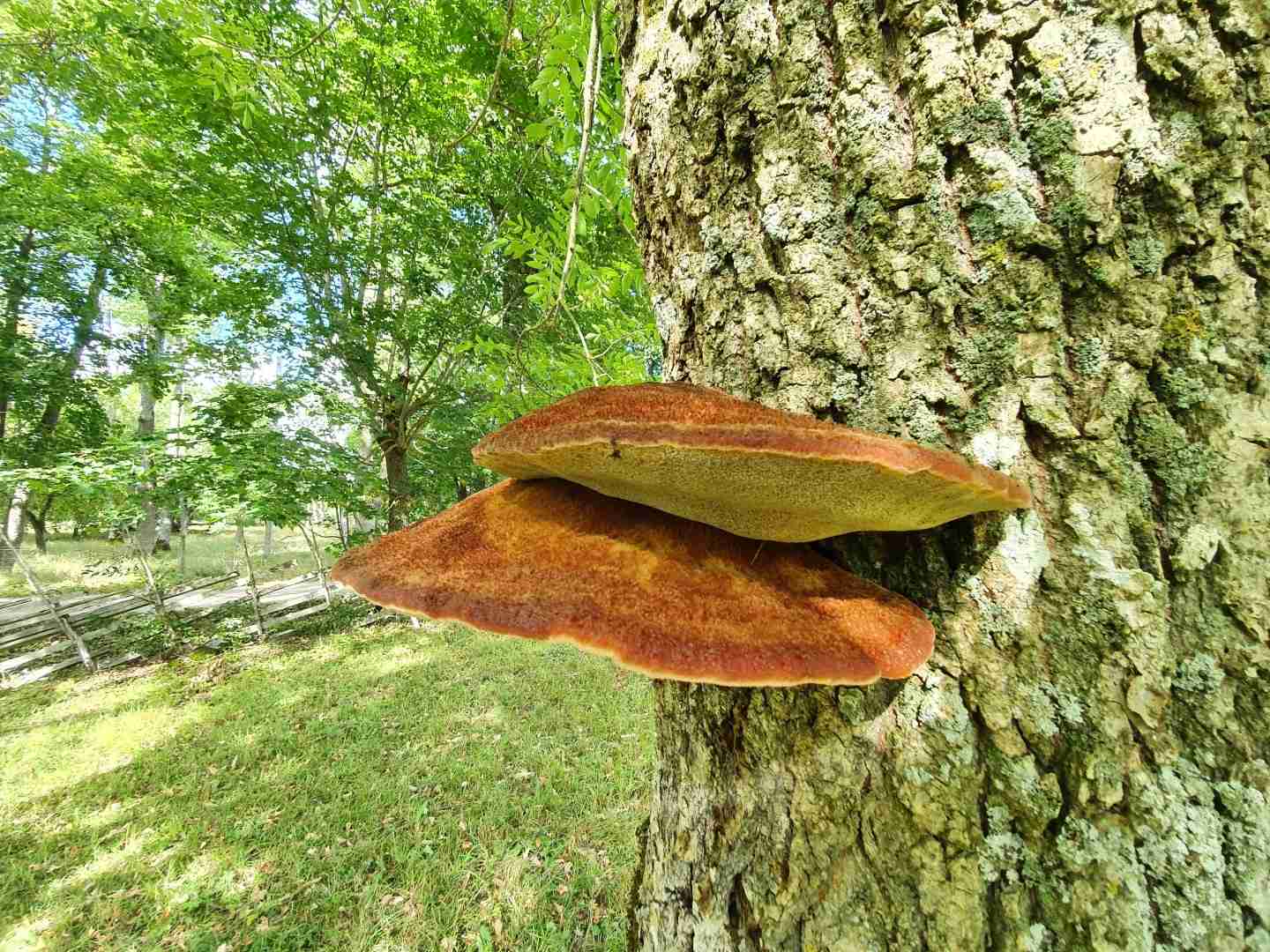
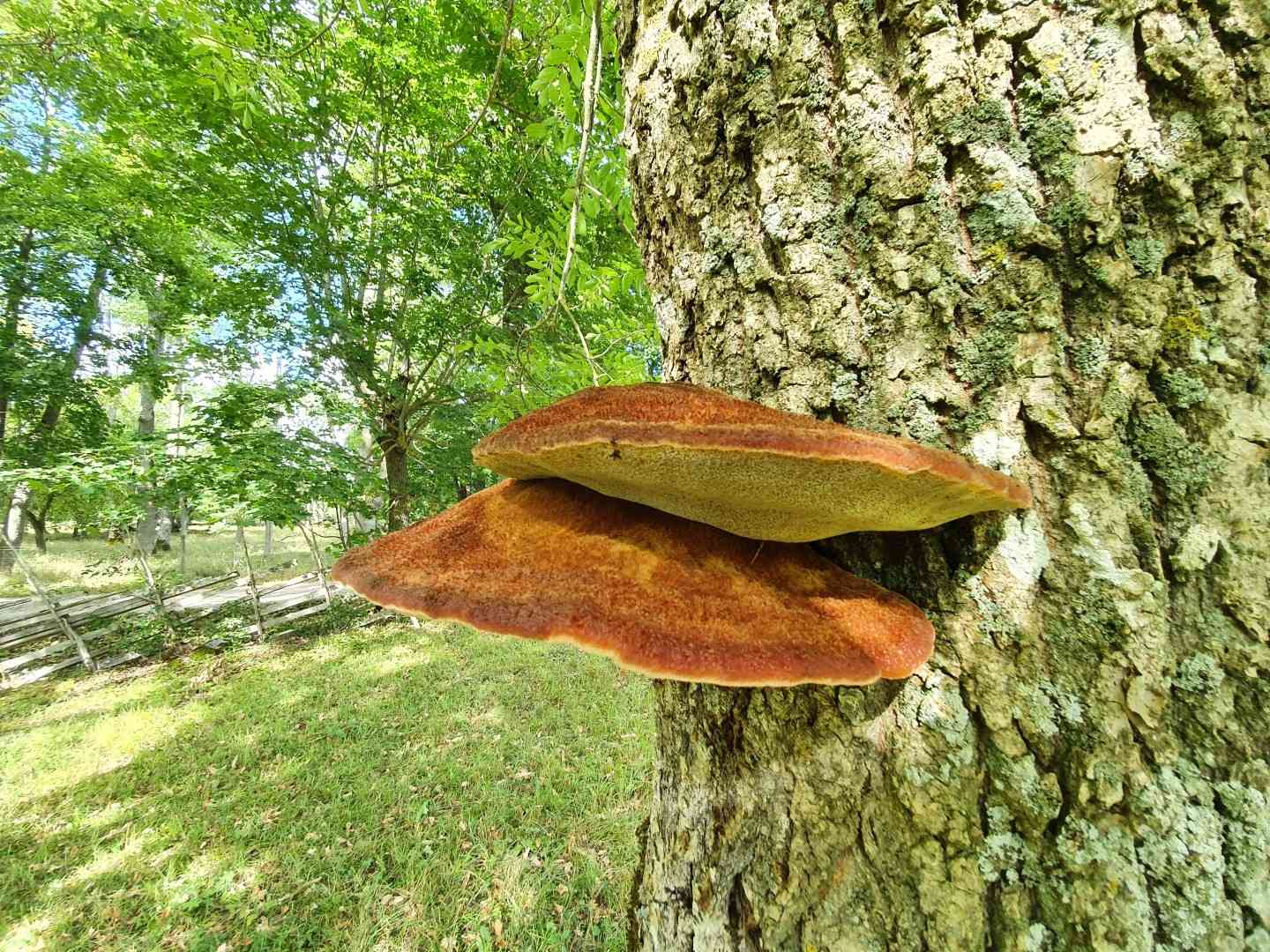
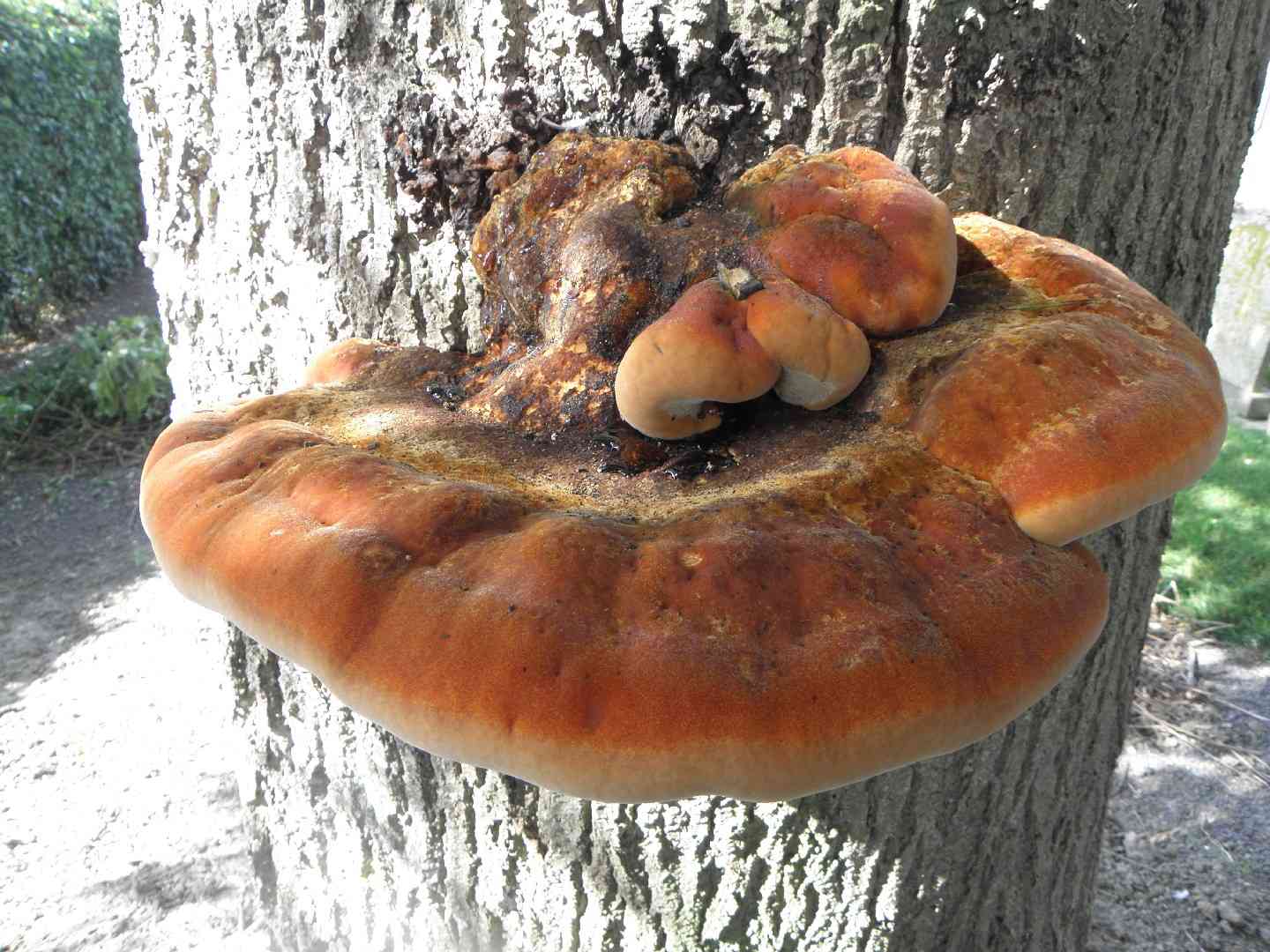
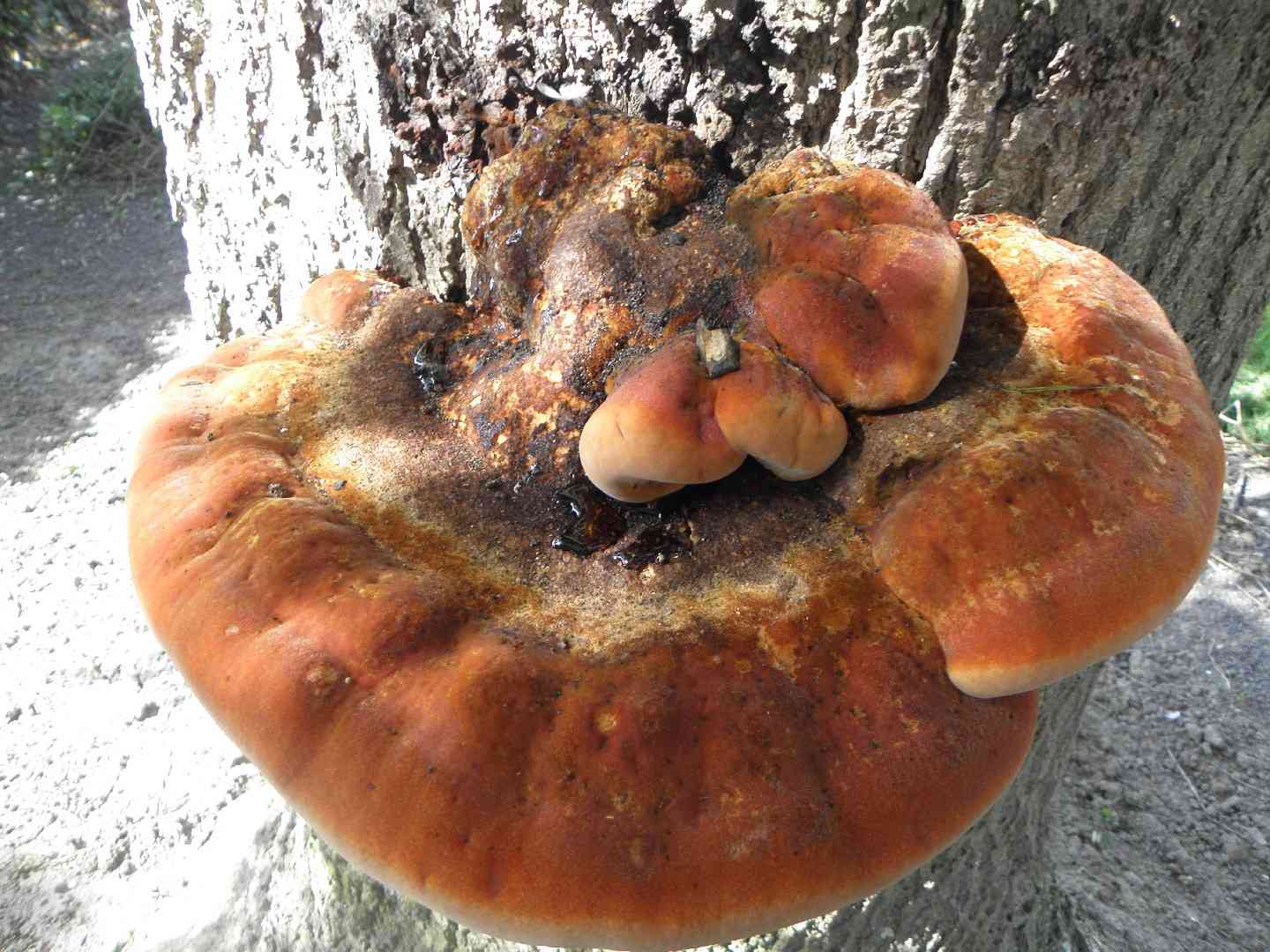
This shelf fungus attaches itself to diseased trees, appearing damp and somewhat swollen in its early stages. Its fuzzy exterior differentiates the shaggy bracket (Inonotus hispidus) from other similar fungi. While this white-rot-inducing fungus is likely inedible, it can be dehydrated and utilized as tinder for igniting fires.
In This Article
Attributes of Shaggy bracket
Cap Diameter
10 - 25 cm
Height
2 - 5 cm
Cap
Up to 40 cm across and 20 cm deep; semicircular to fan-shaped, planoconvex or flat; yellow, rusty brown; velvety to finely hairy or, in age, nearly bald
Cap Surfaces
Fibrillose-scaly, Velvety
Gills
Adnate to slightly decurrent; close to subdistant
Stem
2–5 cm
Flesh
Soft and watery at first, becoming tougher with age; reddish brown, faintly zoned or streaked
Spore Print Color
White
Odor
Mildly acidic when young; nondescript in age.
Body Color
WhiteCream
Flesh Bruises
Discolor to brown
Growth Form
Clustered
Nutrient Gathering
Saprophytic, Parasitic
Substrate
Wood of Living Trees, Dead Woods
You can find Shaggy bracket by these plants
Swedish whitebeam, Ashes
Occurence Habitats
Deciduous Woodland
Species Status
Widely distributed in North America
Endangered Species
No
Scientific Classification of Shaggy bracket
Phylum
Club fungi
Class
Mushroom-forming fungi
Order
Hymenochaetales
Family
Hymenochaetaceae
Genus
Inonotus
Toxicity and Edibility of Shaggy bracket
Is Shaggy bracket Toxic?
Toxicity information is not available for this mushroom. Always consult with an expert before consuming any wild mushrooms.