Gypsy mushroom
Cortinarius caperatus
A species of Cortinar.
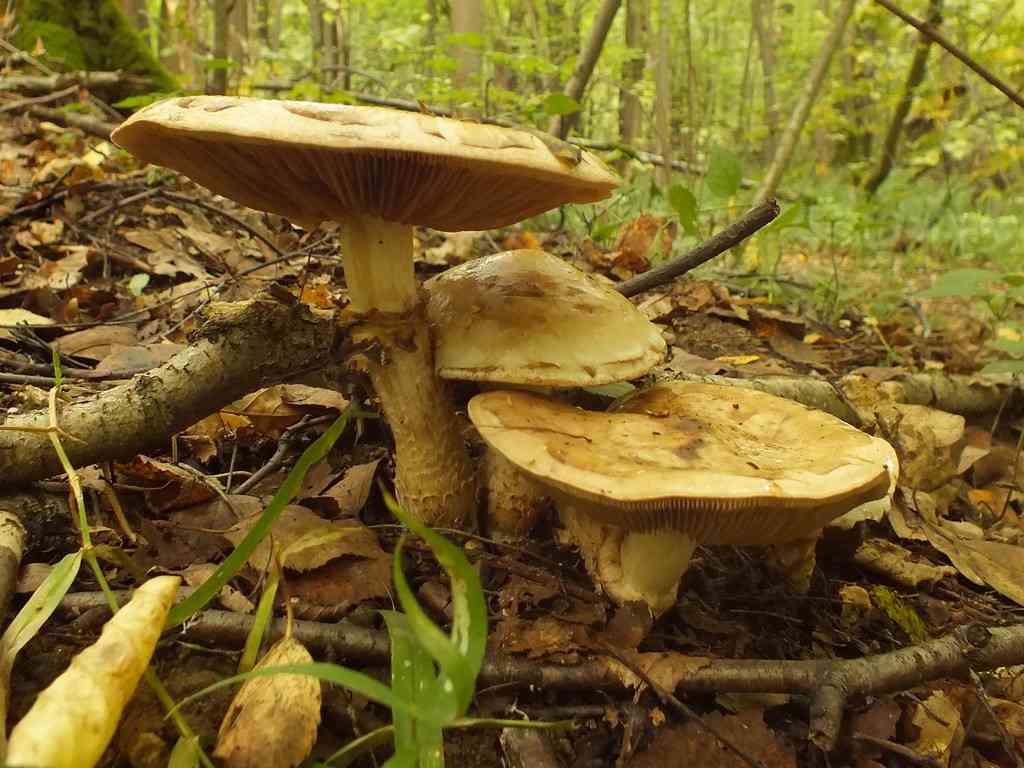
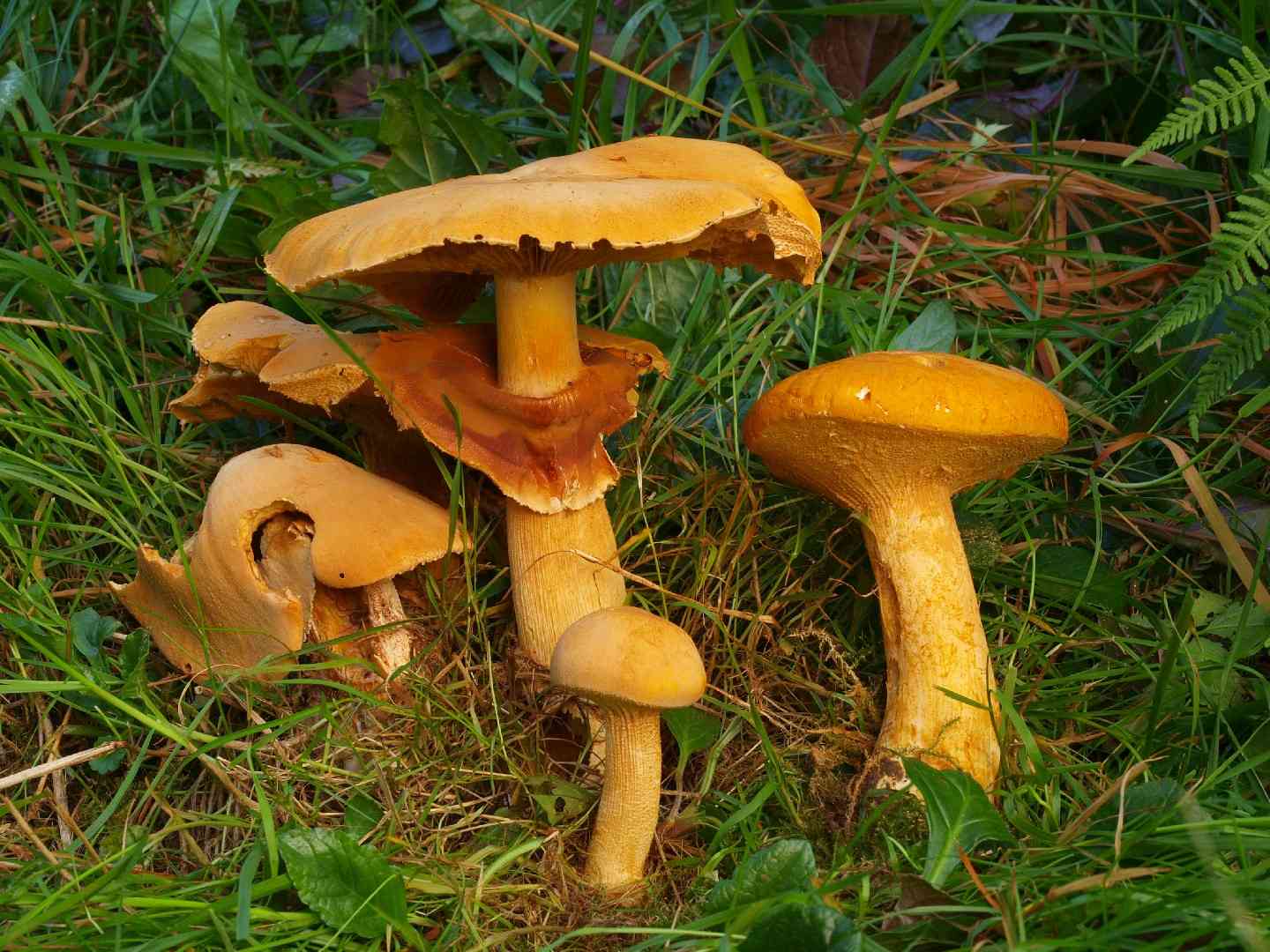
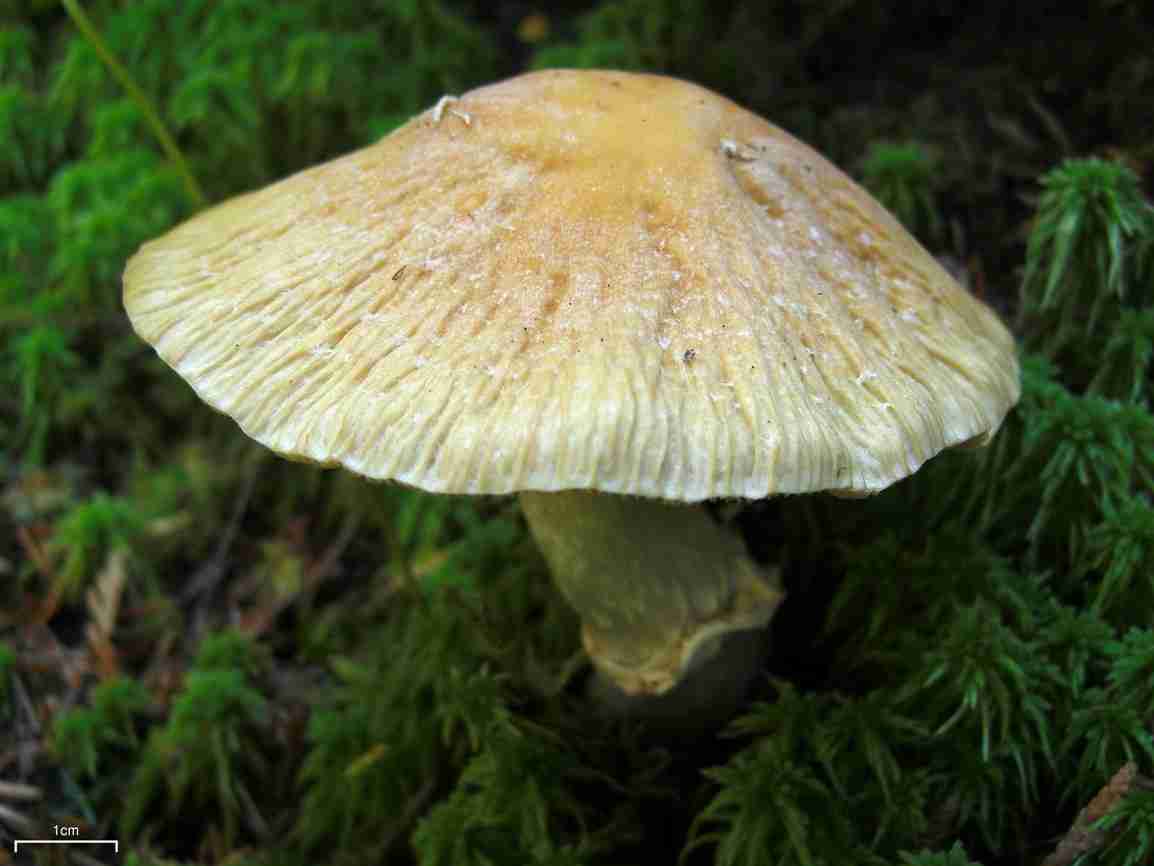
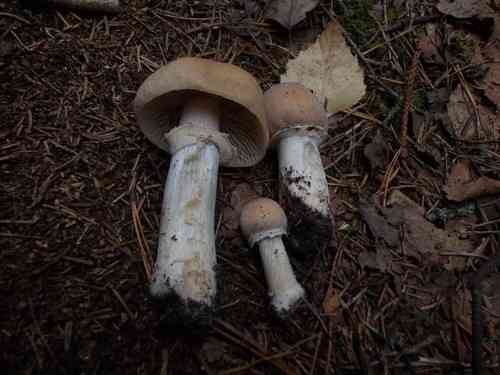
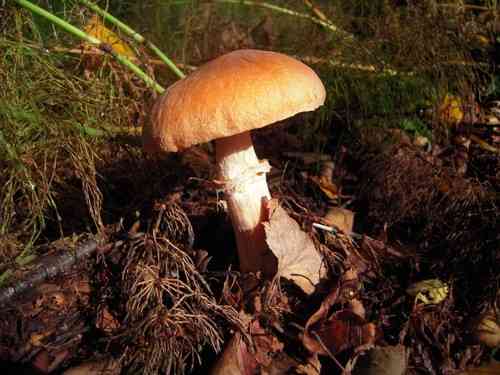
Cortinarius caperatus, known colloquially as the gypsy mushroom, is a popular fungus found throughout the Northern Hemisphere's temperate zones. Its fruiting bodies initially display ochre-hued caps, alongside light-colored gills and stems. However, as they mature, the cap's color diminishes, which could result in their misidentification as more dangerous varieties.
In This Article
Attributes of Gypsy mushroom
Cap Diameter
4 - 14 cm
Height
6 - 12 cm
Cap
Cap 4 - 12 cm across; convex; pale yellowish, yellowish brown, often with a pale margin; dry, often wrinkled
Cap Shape
Convex, Bell-shaped, Flat, Central Bump
Cap Surfaces
Fibrillose-scaly
Gills
Attached; close; pale at first, becoming brown or cinnamon brown
Gill Attachment
Attached
Stem
Stem 5 - 12 cm long, 1 - 2 cm thick; equal or slightly swollen at the base; whitish or pale tan; dry, usually roughened or slightly shaggy near the apex
Stem Shapes
Club Shaped
Stem Surfaces
Fibrillose
Flesh
Whitish; unchanging when sliced
Ring
With Ring
Spore Print Color
Rusty brown
Odor
Mildly mushroomy but not distinctive.
Body Color
BrownYellowBronzeWhite
Flesh Bruises
The flesh or milk does not discolor when bruised or cut.
Growth Form
Solitary, Gregarious
Nutrient Gathering
Mycorrhizal
Substrate
On soil
You can find Gypsy mushroom by these plants
Pitch pine, Pines, European beech
Occurence Habitats
Coniferous Woodland, Deciduous Woodland
Species Status
Least Concern
Endangered Species
No
Scientific Classification of Gypsy mushroom
Phylum
Club fungi
Class
Mushroom-forming fungi
Order
Gilled fungi
Family
Cortinariaceae
Genus
Cortinar
Toxicity and Edibility of Gypsy mushroom
Is Gypsy mushroom Toxic?
Toxicity information is not available for this mushroom. Always consult with an expert before consuming any wild mushrooms.