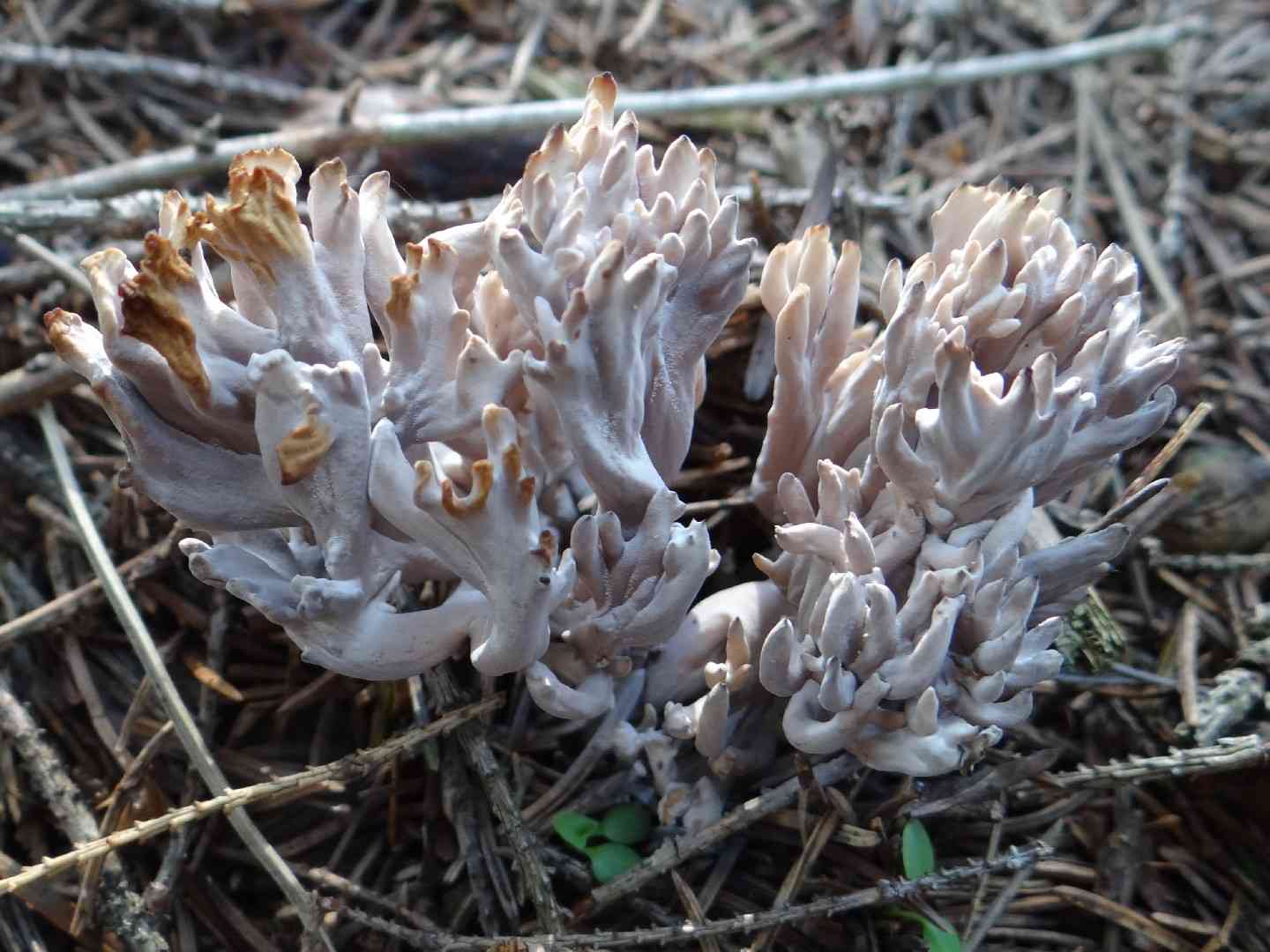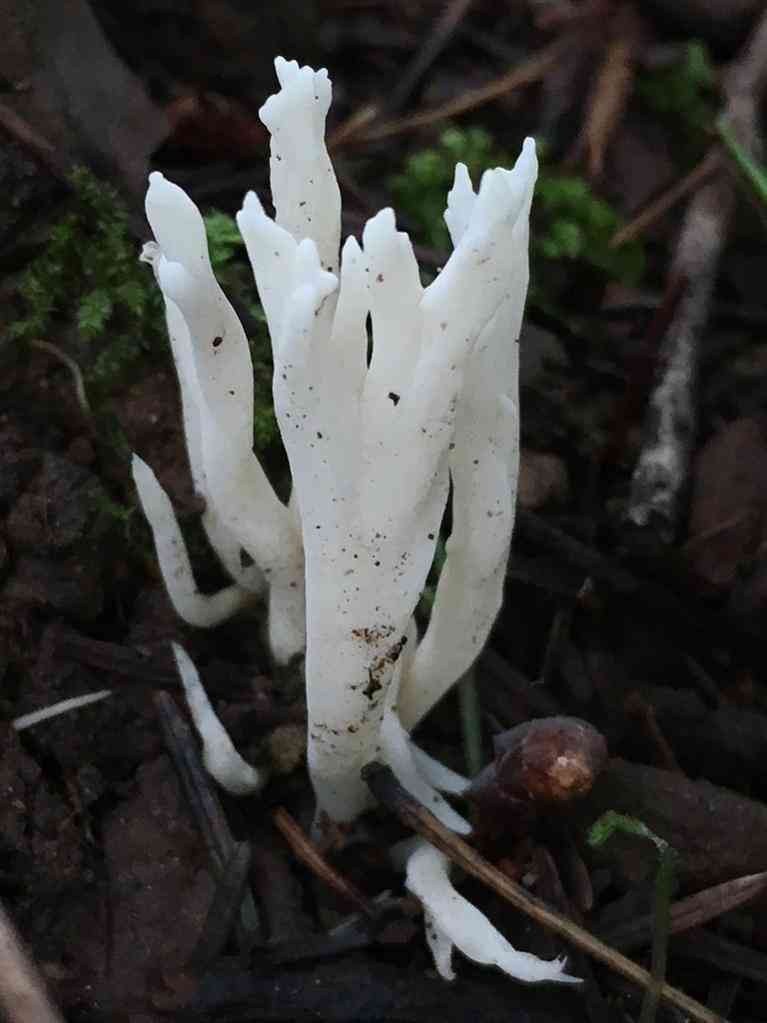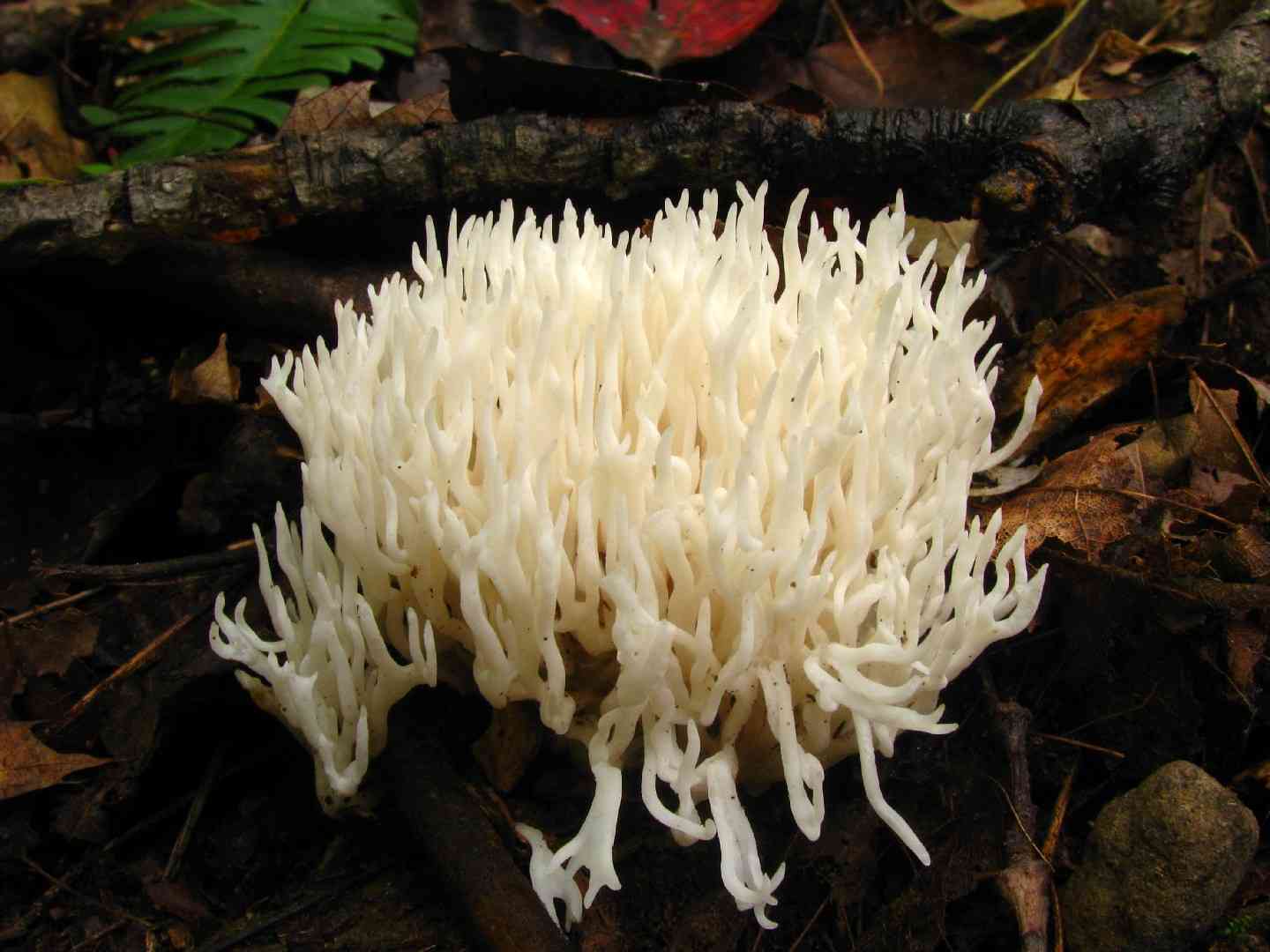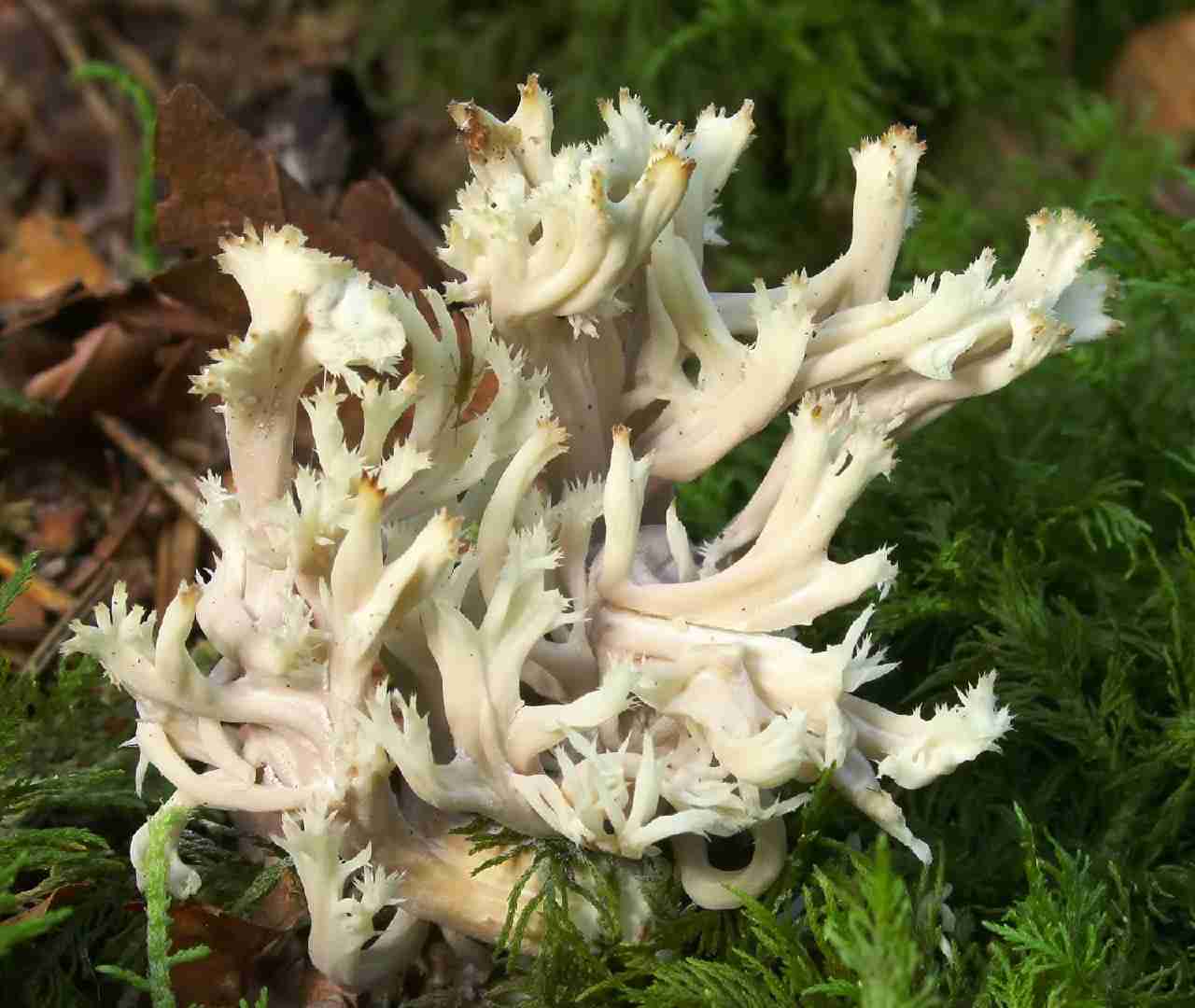
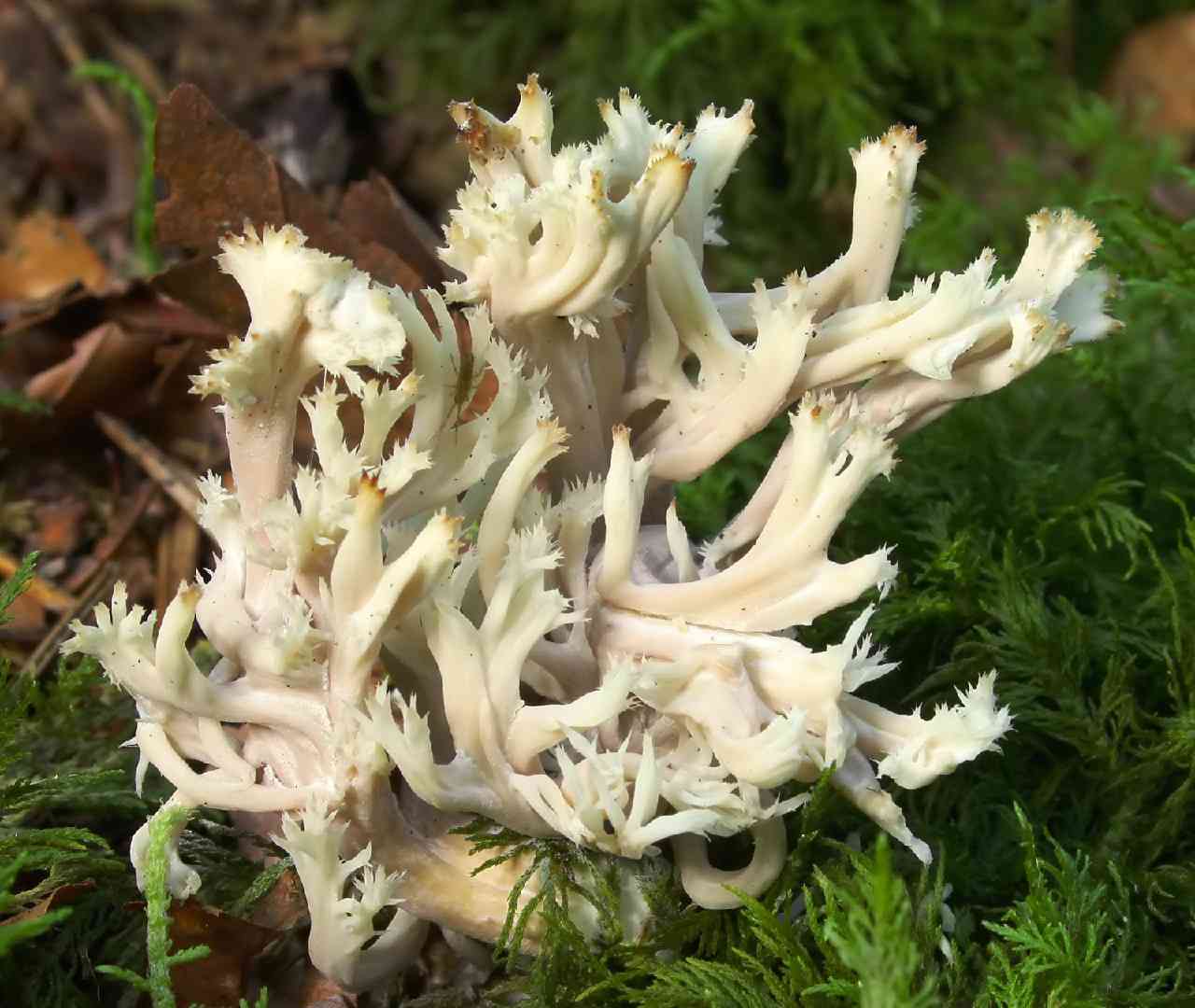
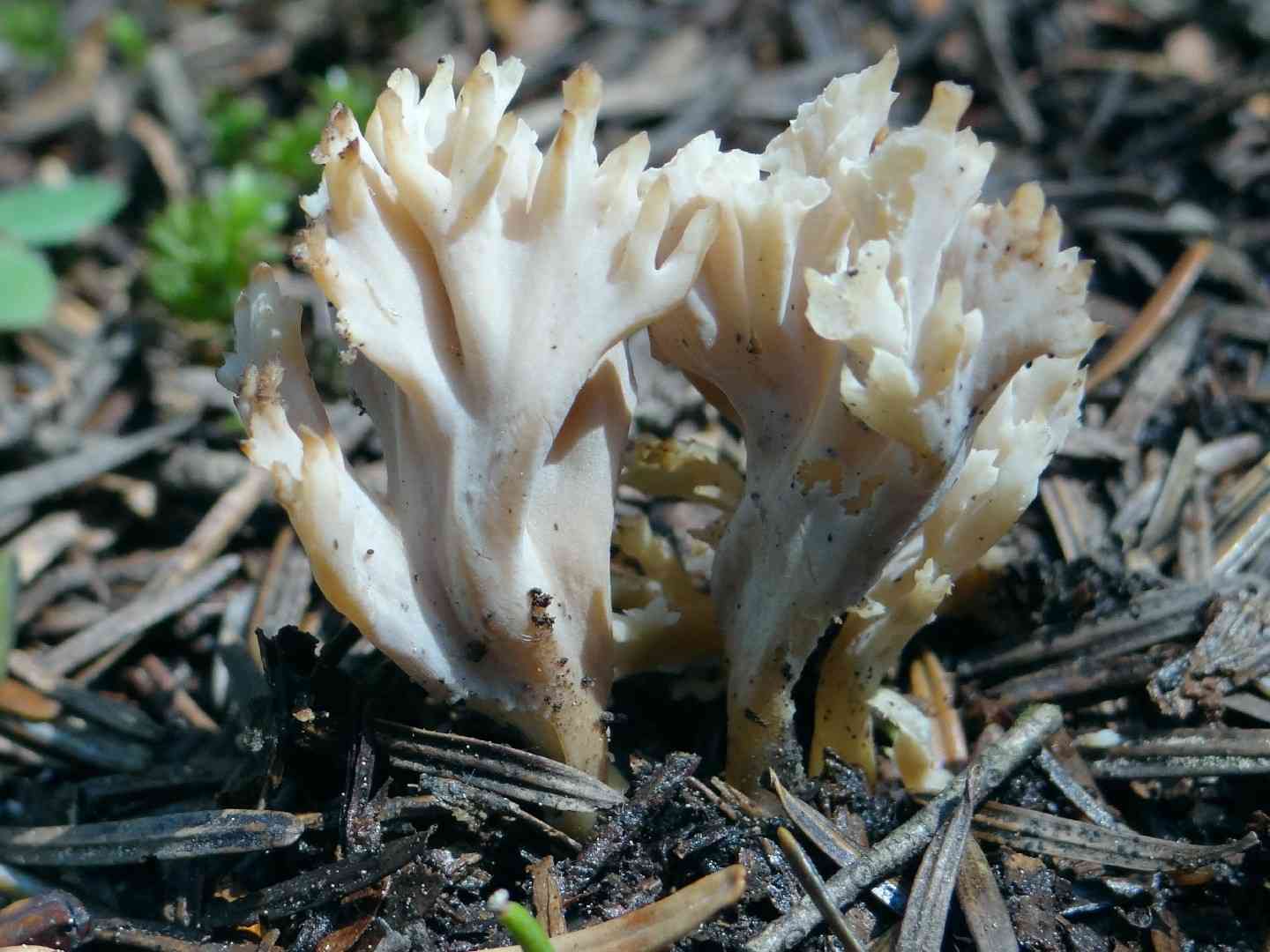
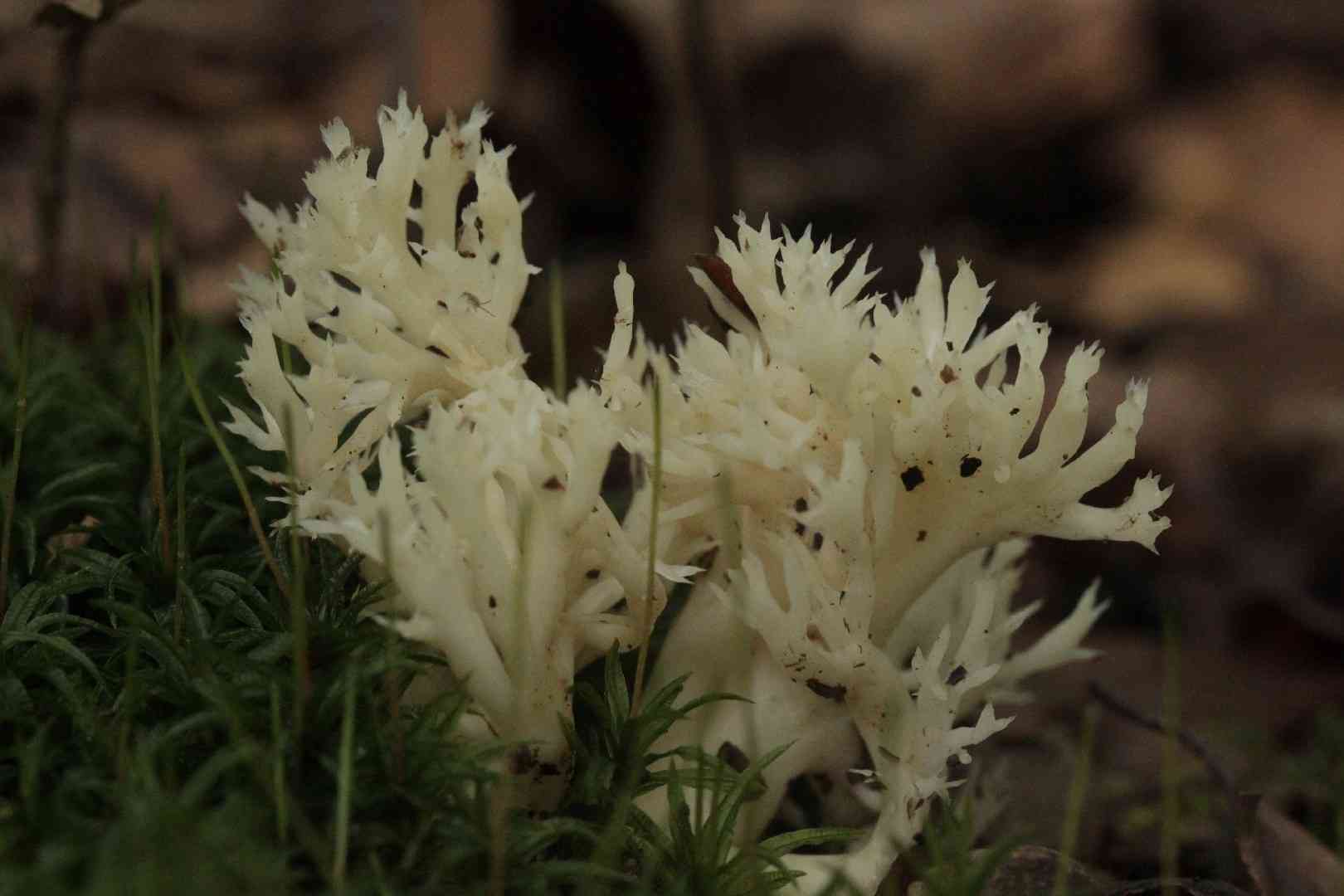
Crested coral
Clavulina coralloides
A species of Clavulina. Also known as White-crested coral fungus.
Clavulina coralloides, commonly known as crested coral, is an easily recognizable coral mushroom prevalent throughout coniferous and deciduous woodlands. It plays a vital role in decomposition, breaking down dead and decaying wood. This species is native to the temperate regions of North America and Europe, typically emerging from late summer through winter.
In This Article
Attributes of Crested coral
Cap Diameter
3 - 10 cm
Height
1 - 16 cm
Cap
3 - 10 cm wide; smooth or wrinkled
Stem
Stem up to 3 cm long, sometimes none; whitish or grayish
Flesh
Normally solid, brittle; white
Spore Print Color
White
Odor
Mildly mushroomy but not distinctive.
Body Color
BrownBlackGrayWhitePink
Flesh Bruises
The flesh or milk does not discolor when bruised or cut.
Growth Form
Scattered, Gregarious
Nutrient Gathering
Mycorrhizal
Substrate
On soil, Mosses
You can find Crested coral by these plants
Spruces, Pines, Oaks, European beech
Occurence Habitats
Deciduous Woodland, Coniferous Woodland, Mixed Woodland
Species Status
Widely distributed
Endangered Species
No
Scientific Classification of Crested coral
Phylum
Club fungi
Class
Mushroom-forming fungi
Order
Cantharellales
Family
Clavulinaceae
Genus
Clavulina
Toxicity and Edibility of Crested coral
Is Crested coral Toxic?
Toxicity information is not available for this mushroom. Always consult with an expert before consuming any wild mushrooms.