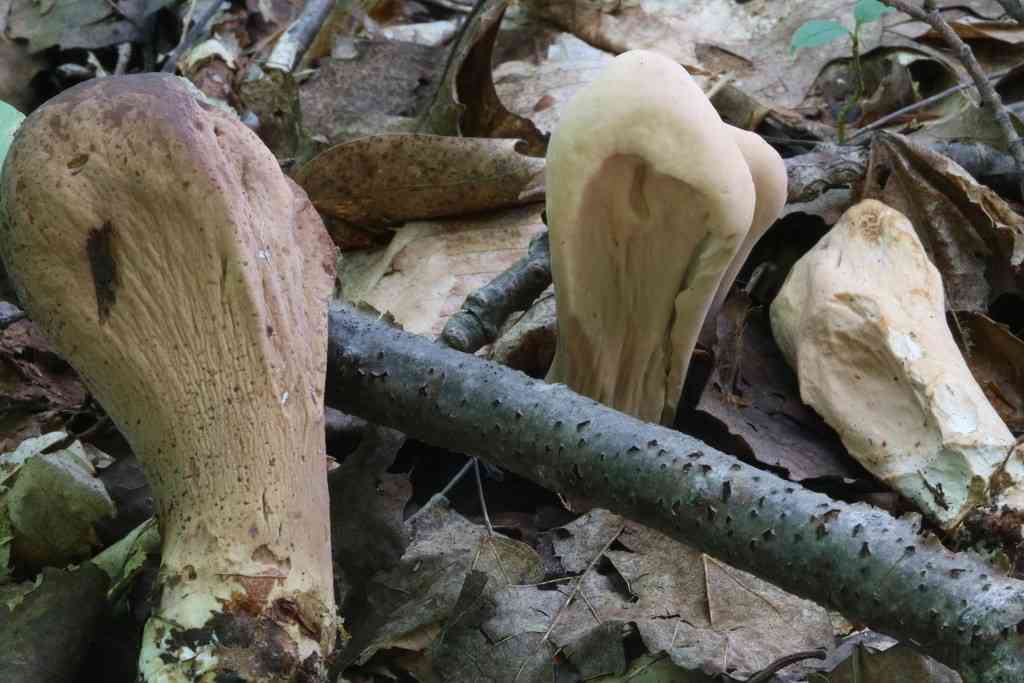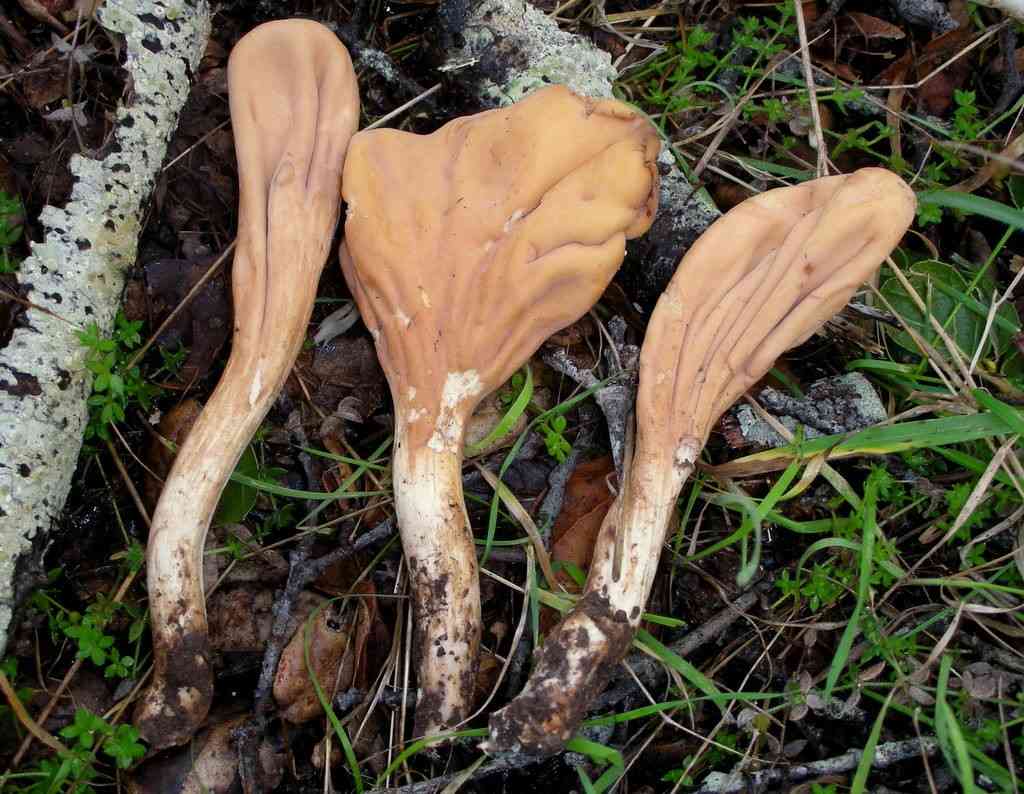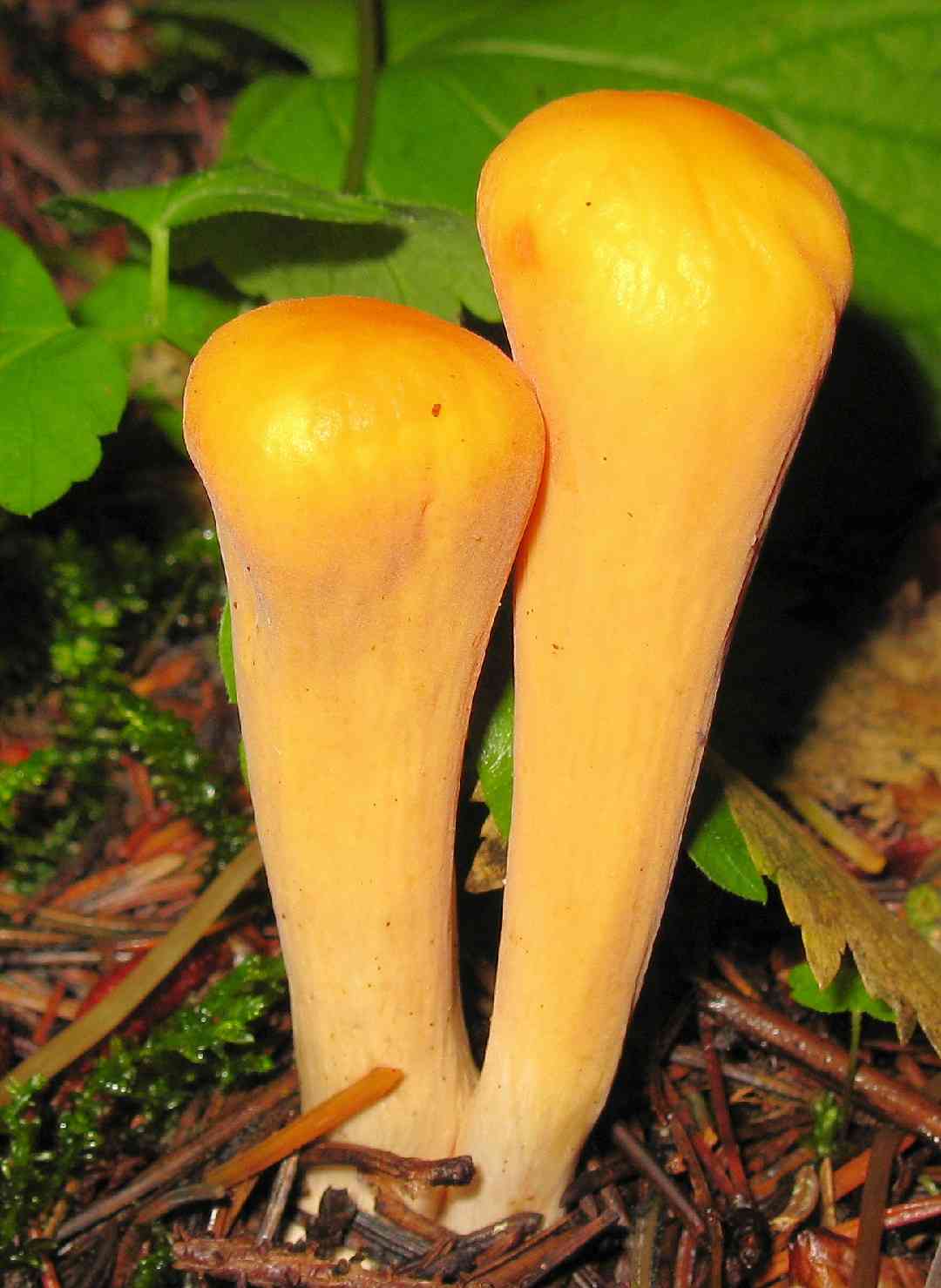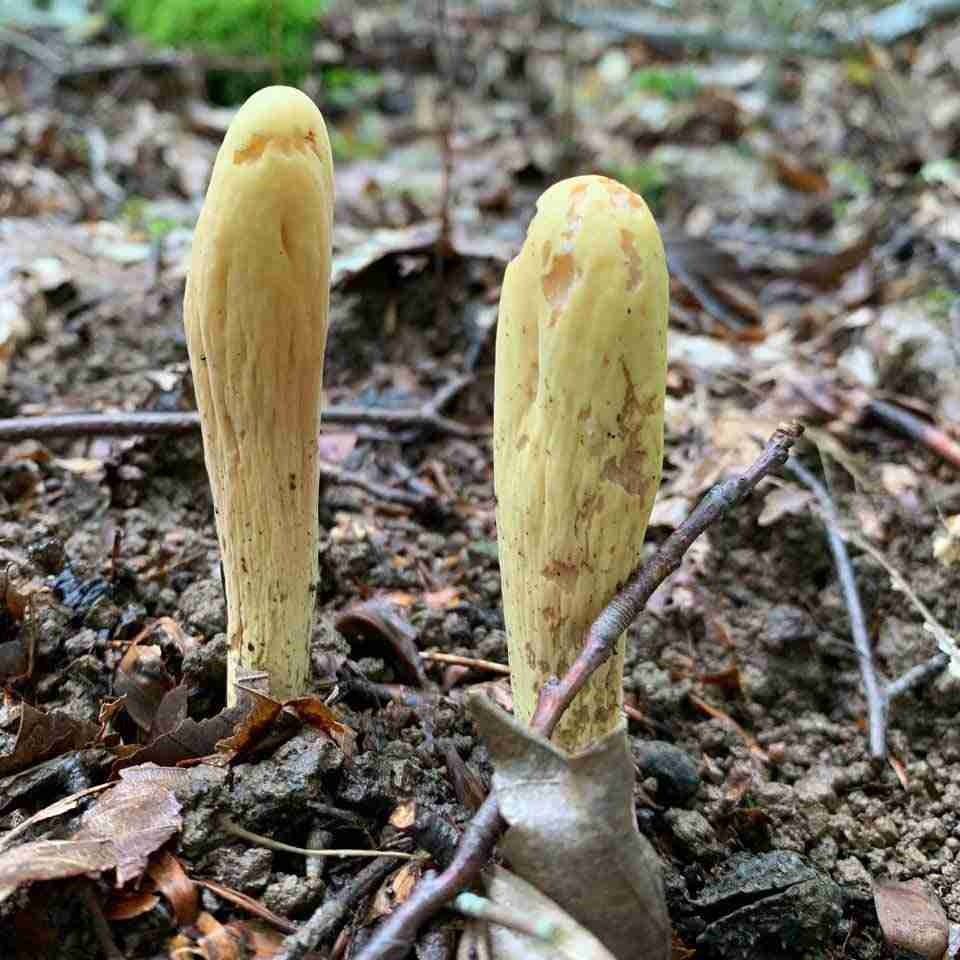
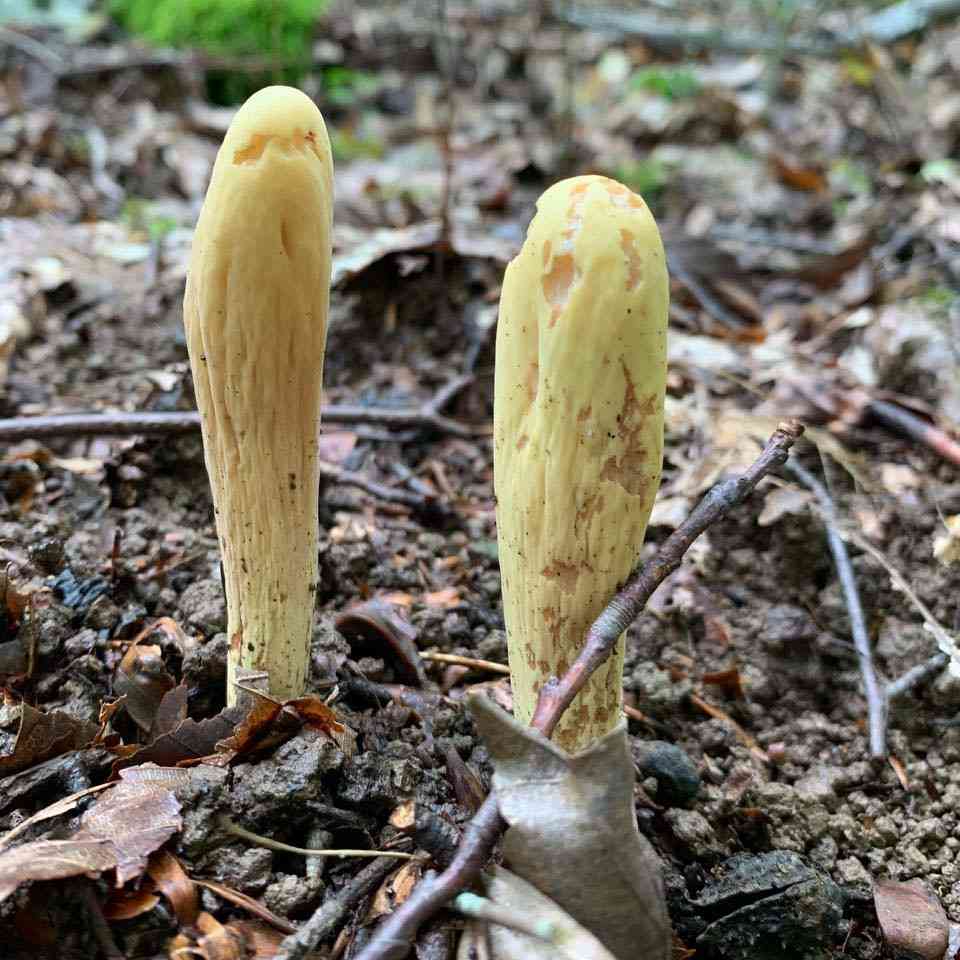
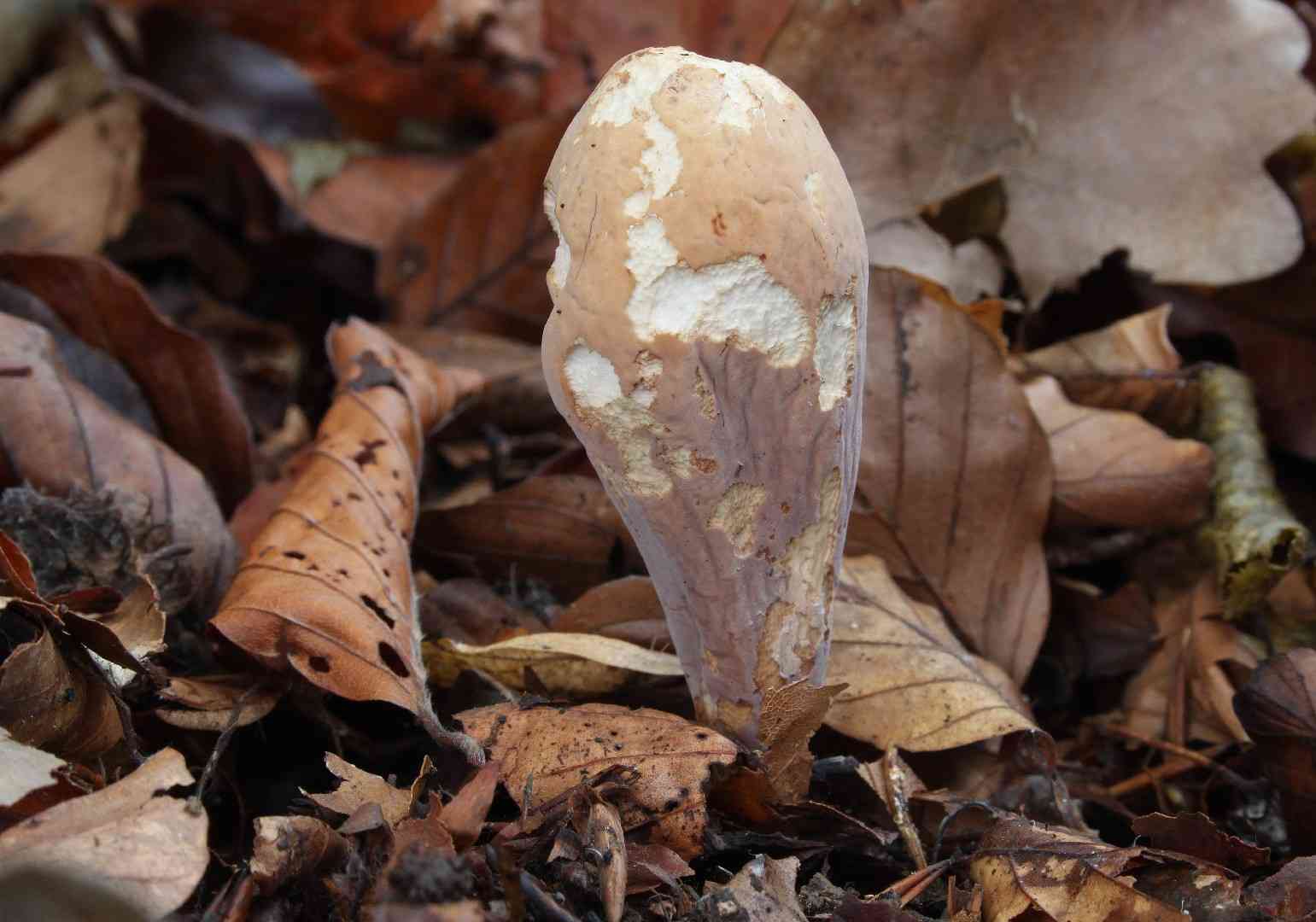
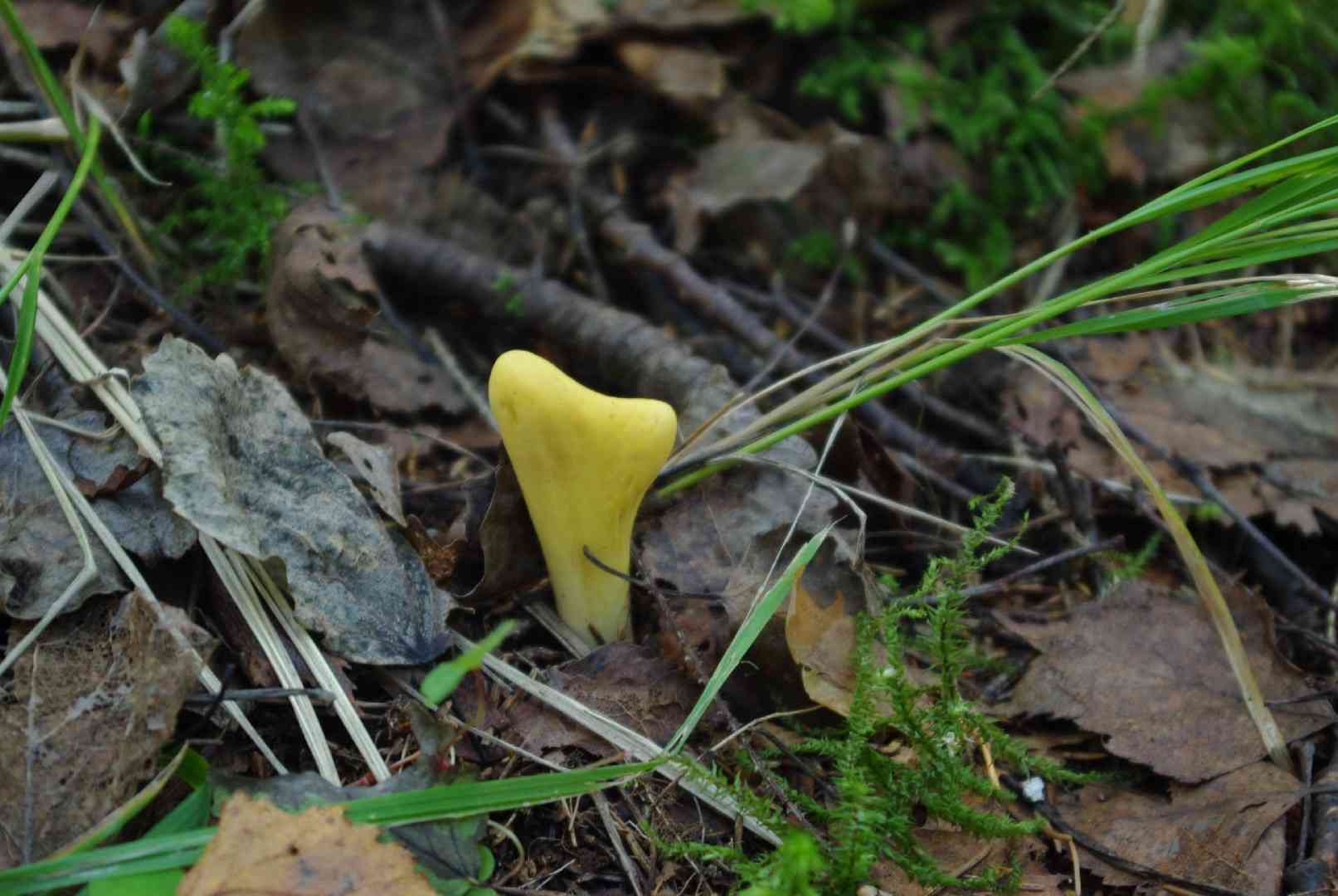
Common club coral fungus
Clavariadelphus pistillaris
A species of Clavariadelphus. Also known as Giant club.
The common club coral fungus is an uncommon club-shaped mushroom packed with antioxidants and fatty acids. However, American variants might not be very fleshy. It thrives in beech forests across Europe and the Americas during the summer and fall. While generally unremarkable in appearance, it emits a subtly agreeable aroma.
In This Article
Attributes of Common club coral fungus
Height
5 - 30 cm
Cap
Yellowish to ocher to brown; turns dark purple when bruised
Stem
Whitish
Flesh
Spongy; white
Spore Print Color
White
Odor
Develops an unpleasant, sickly scent when mature.
Body Color
BrownYellowRed
Flesh Bruises
The flesh or milk does not discolor when bruised or cut.
Growth Form
Gregarious
Nutrient Gathering
Saprophytic
Substrate
On soil, Leaf or Needle Litter
You can find Common club coral fungus by these plants
European beech, Oaks
Occurence Habitats
Deciduous Woodland
Species Status
Fairly common
Endangered Species
No
Scientific Classification of Common club coral fungus
Phylum
Club fungi
Class
Mushroom-forming fungi
Order
Gomphales
Family
Gomphoid-phalloid clade
Genus
Clavariadelphus
Toxicity and Edibility of Common club coral fungus
Is Common club coral fungus Toxic?
Toxicity information is not available for this mushroom. Always consult with an expert before consuming any wild mushrooms.