Western club coral
Clavariadelphus occidentalis
A species of Clavariadelphus.
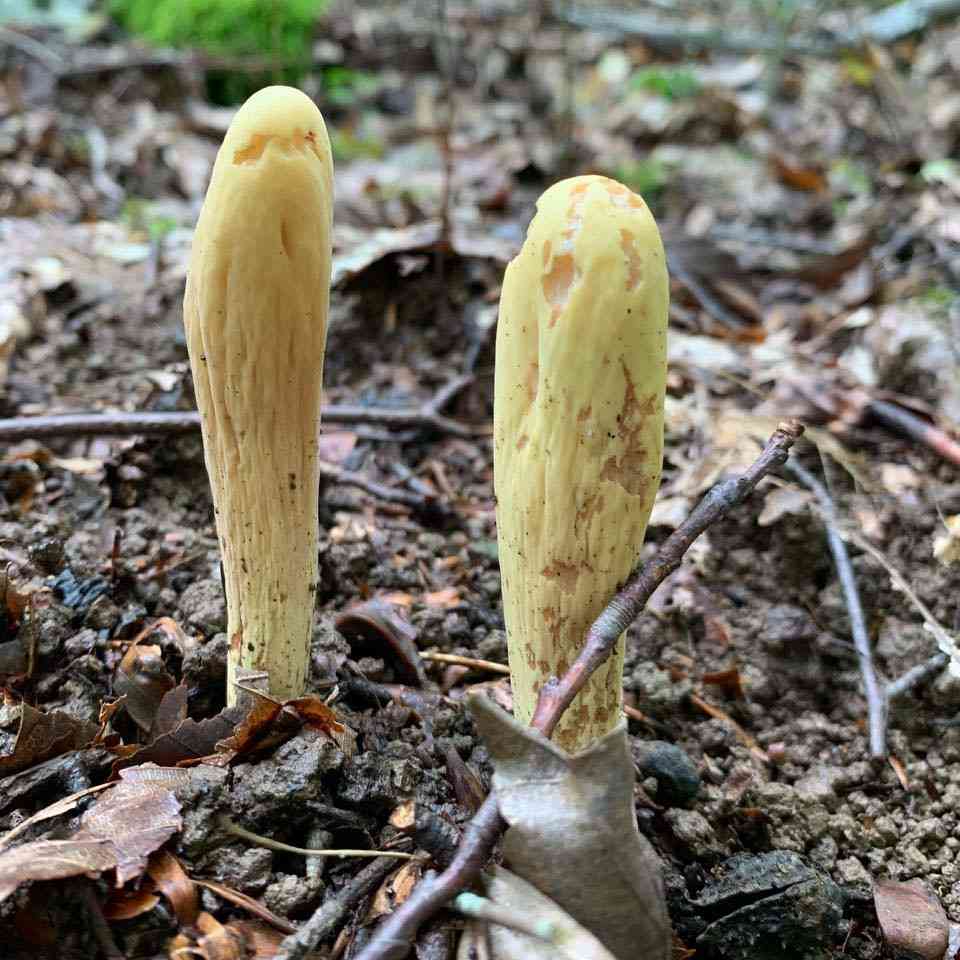
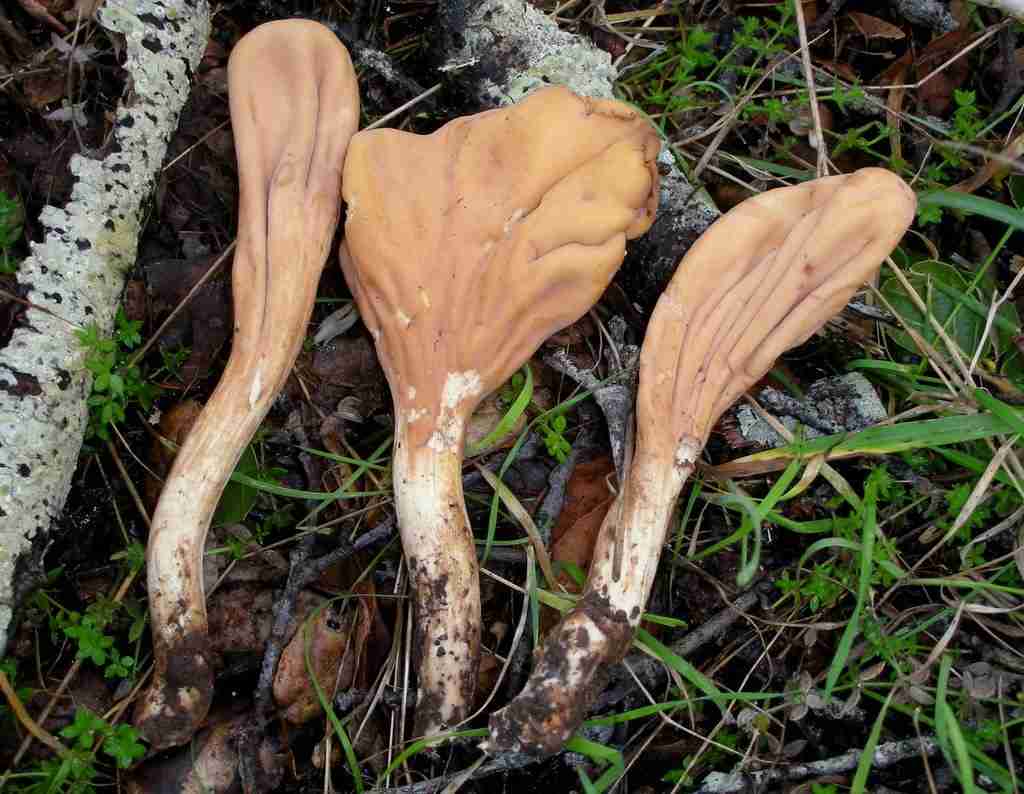
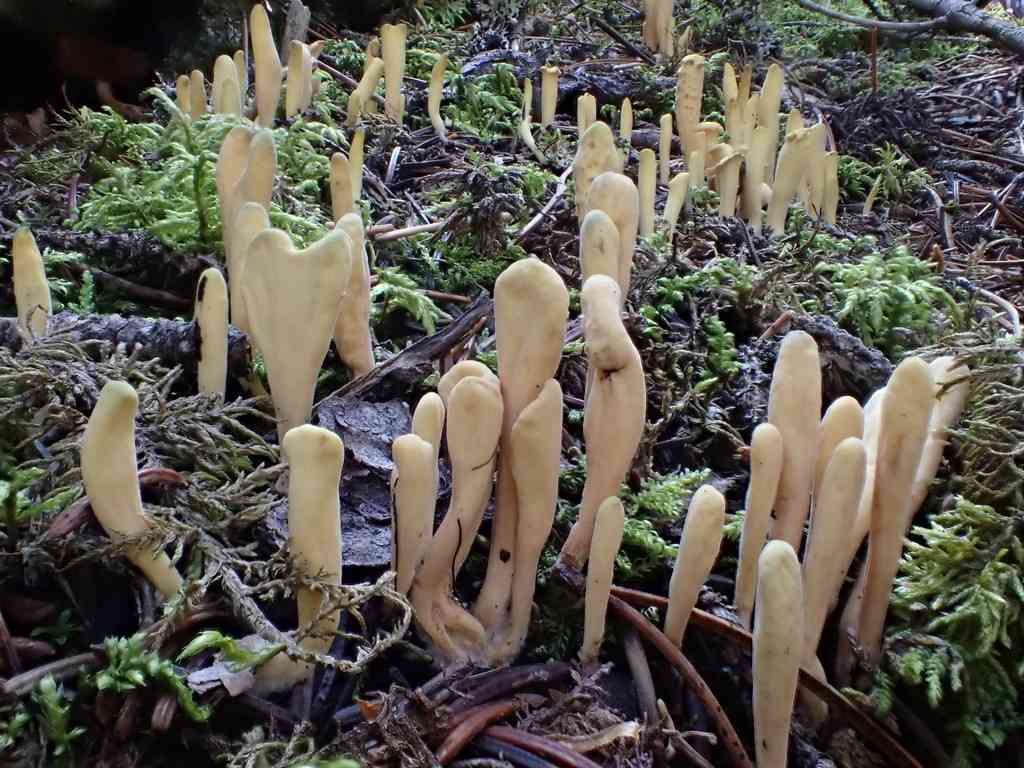
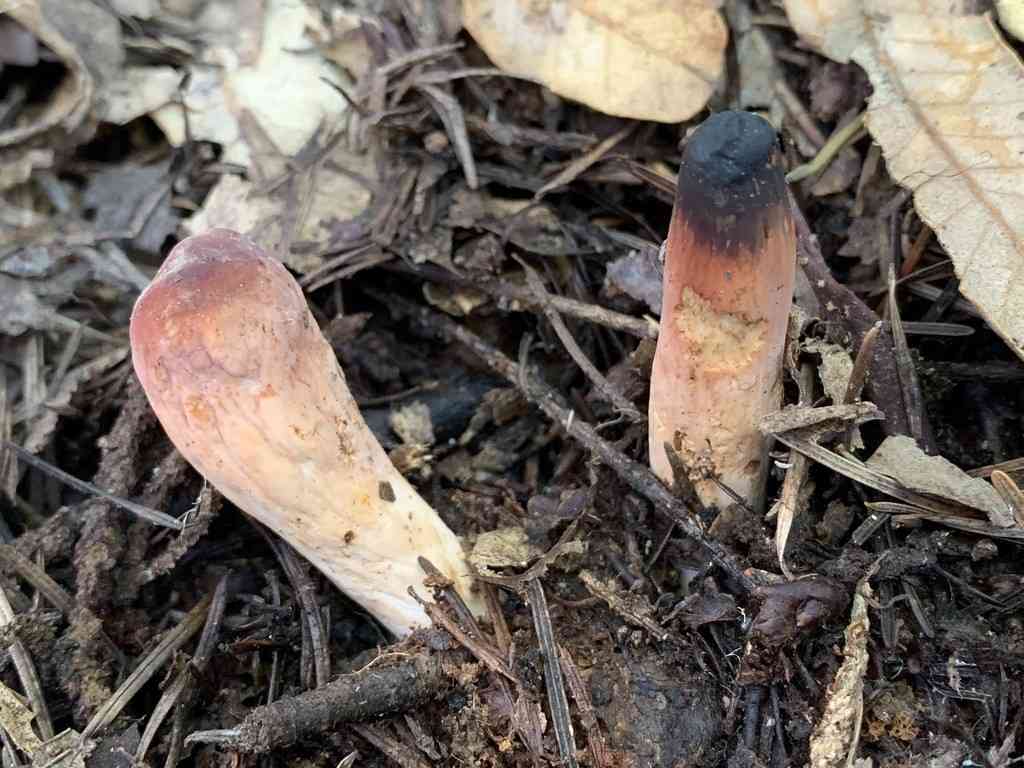
Western club coral (Clavariadelphus occidentalis) was for a long time mistaken for a different, yet related species until 1989. This misidentification was rectified when a mycologist performed a microscopic examination. Despite its fruiting bodies appearing almost indistinguishable from other mushrooms found beneath conifers in the western United States, this particular species stands apart due to the distinct size and coloration of its spores.
In This Article
Attributes of Western club coral
Cap Diameter
5 - 30 mm
Height
5 - 20 cm
Cap
5 - 30 mm wide; rounded at apex; yellowish at apex
Stem
5 - 20 cm high; cylindric or spindle shaped, becoming club shaped; pale yellowish to pale pinkish, darkening to pinkish; smooth; bruising cinnamon brown
Flesh
Whitish; becoming pale brownish on exposure to air
Spore Print Color
White
Odor
Mild, not particularly distinctive.
Body Color
BrownYellowRedPink
Growth Form
Scattered, Gregarious
Nutrient Gathering
Mycorrhizal
Substrate
On soil
Occurence Habitats
Coniferous Woodland, Mixed Woodland
Species Status
Widely distributed on the West Coast from Alaska to Mexico
Endangered Species
No
Scientific Classification of Western club coral
Phylum
Club fungi
Class
Mushroom-forming fungi
Order
Gomphales
Family
Gomphoid-phalloid clade
Genus
Clavariadelphus
Toxicity and Edibility of Western club coral
Is Western club coral Toxic?
Toxicity information is not available for this mushroom. Always consult with an expert before consuming any wild mushrooms.