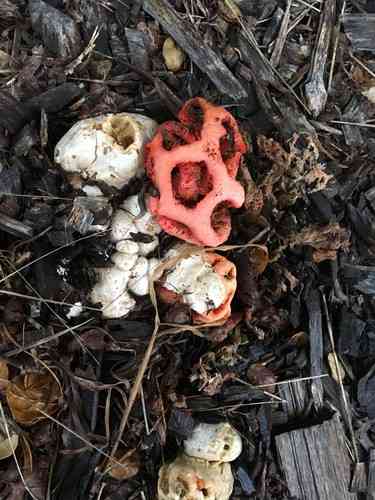
Red cage
Clathrus ruber
A species of Clathrus. Also known as Basket stinkhorn.
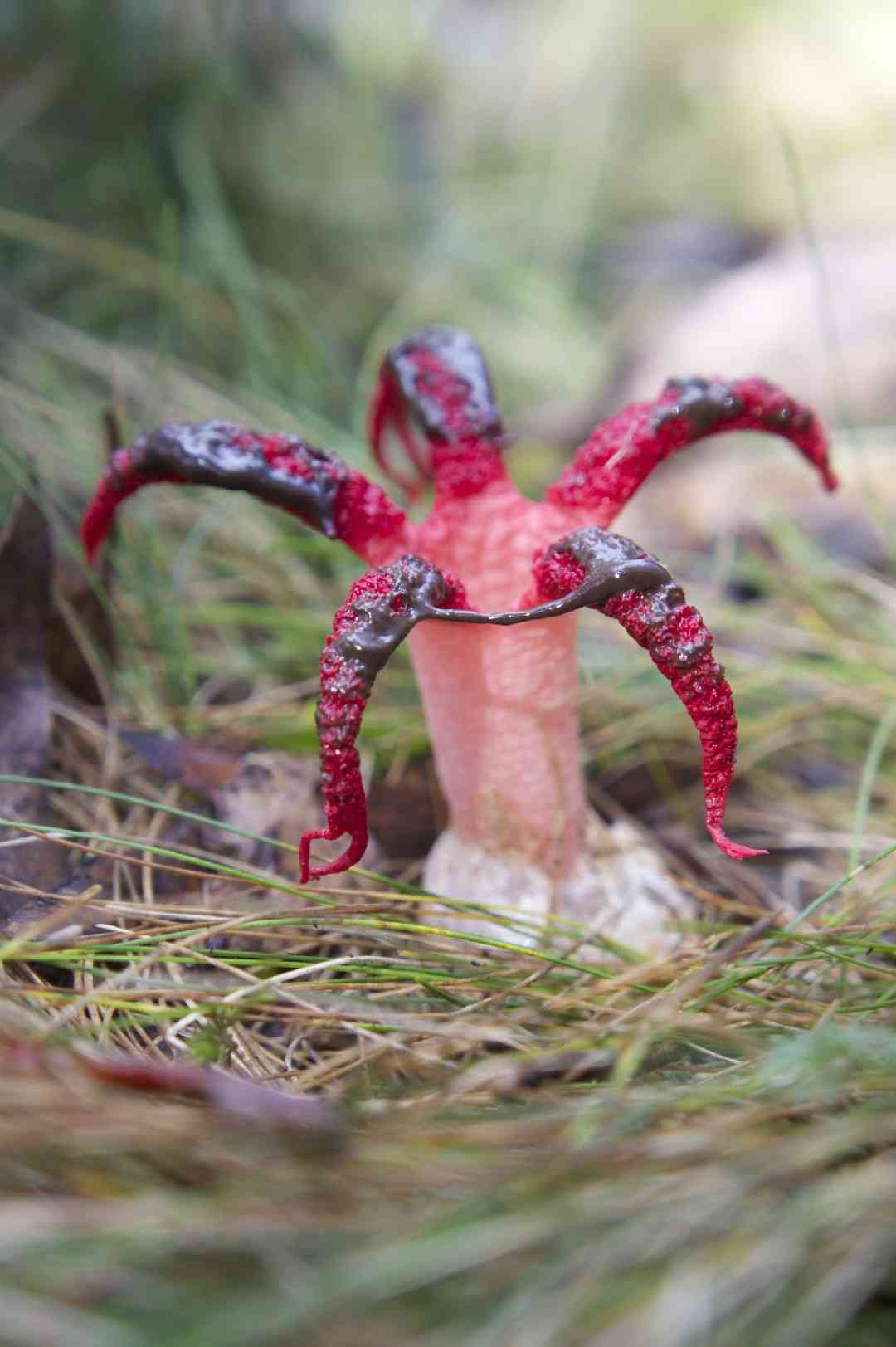
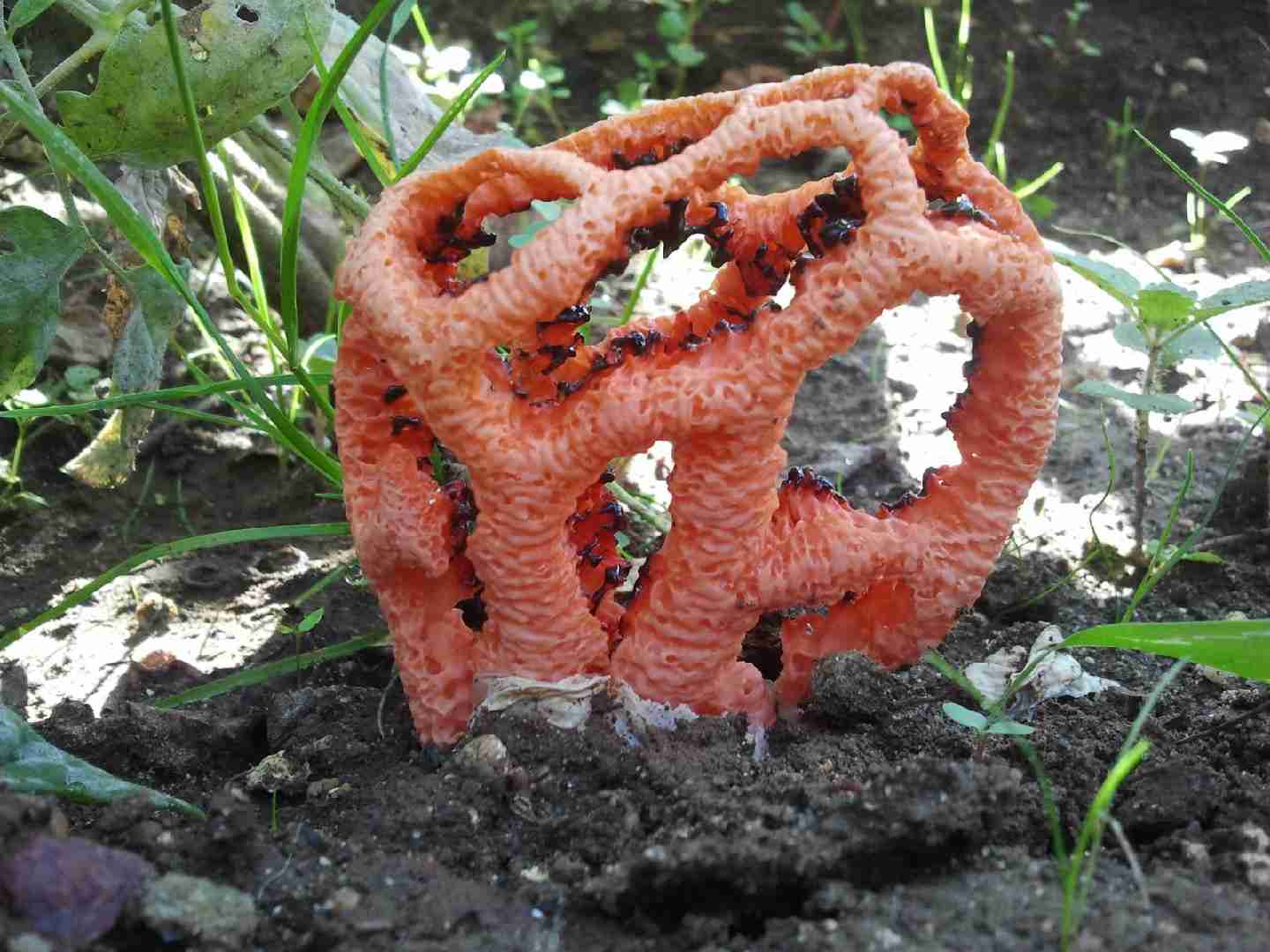
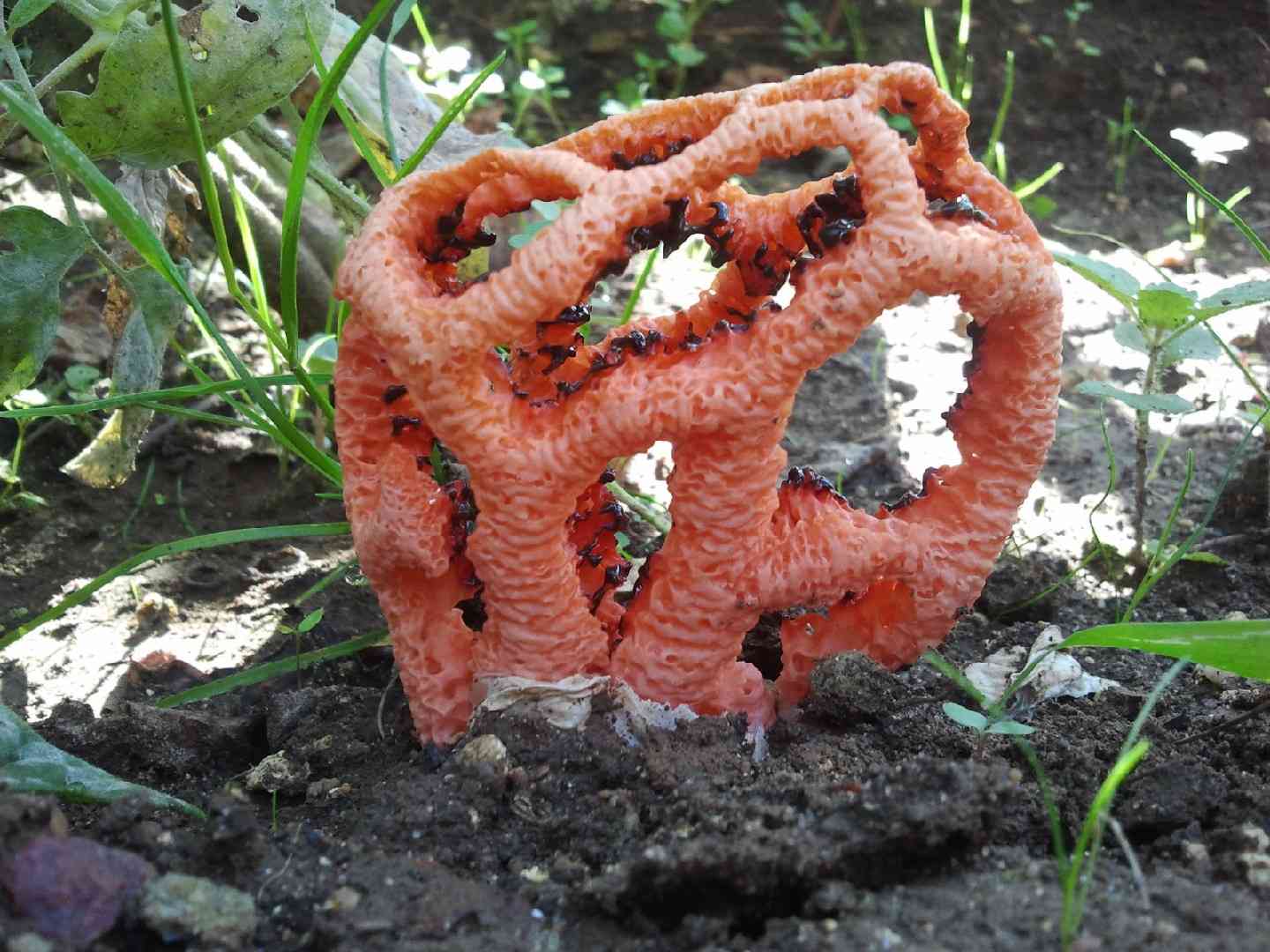
The red cage mushroom, a truly unique species even among stinkhorns, boasts a remarkably wild and distinctive appearance. Its fruitbody forms a hollow, net-like structure, typically vibrant red or pink, resembling a child's rubber or plastic plaything. As expected from a true stinkhorn, it produces a foul-smelling slime to lure flies, a scent that, conversely, drives away humans!
In This Article
Attributes of Red cage
Cap Diameter
4 - 10 cm
Height
6 - 13 cm
Cap
4 - 10 cm wide; orangish red, red; consisting of a mesh of arms creating a lattice-like structure; roughened
Stem
White
Volva
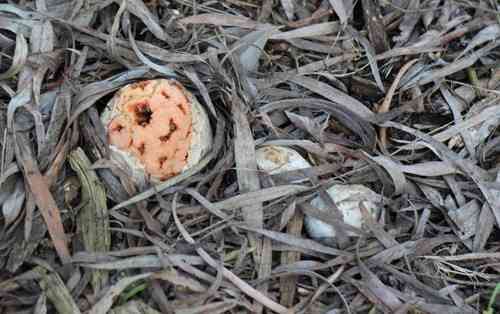
Sac-like, encasing the base of the fruiting body; whitish to pale brownish
Spore Print Color
Olive-brown
Odor
Strong, foul-smelling, similar to decaying flesh.
Body Color
RedWhiteOrange
Flesh Bruises
The flesh or milk does not discolor when bruised or cut.
Growth Form
Solitary, Scattered, Gregarious
Nutrient Gathering
Saprophytic
Substrate
On soil, Wood Chips or Mulch
Occurence Habitats
Disturbed Lands
Species Status
Common throughout the Mediterranean
Endangered Species
No
Scientific Classification of Red cage
Phylum
Club fungi
Class
Mushroom-forming fungi
Order
Stinkhorn allies
Family
Stinkhorn mushrooms
Genus
Clathrus
Toxicity and Edibility of Red cage
Is Red cage Toxic?
The scarlet-colored cap is a mushroom with a low to medium level of toxicity. If consumed, it can lead to various uncomfortable reactions, primarily affecting the digestive system. The typical indicators of ingesting this mushroom include queasiness, throwing up, loose stools, and abdominal spasms.