Rooting bolete
Caloboletus radicans
A species of Bitter boletes.
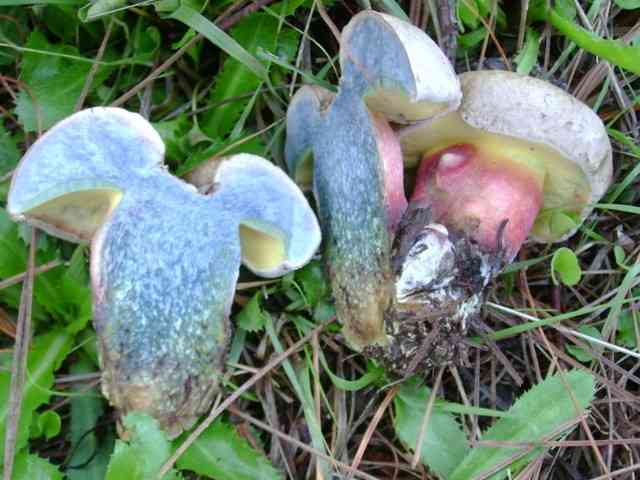
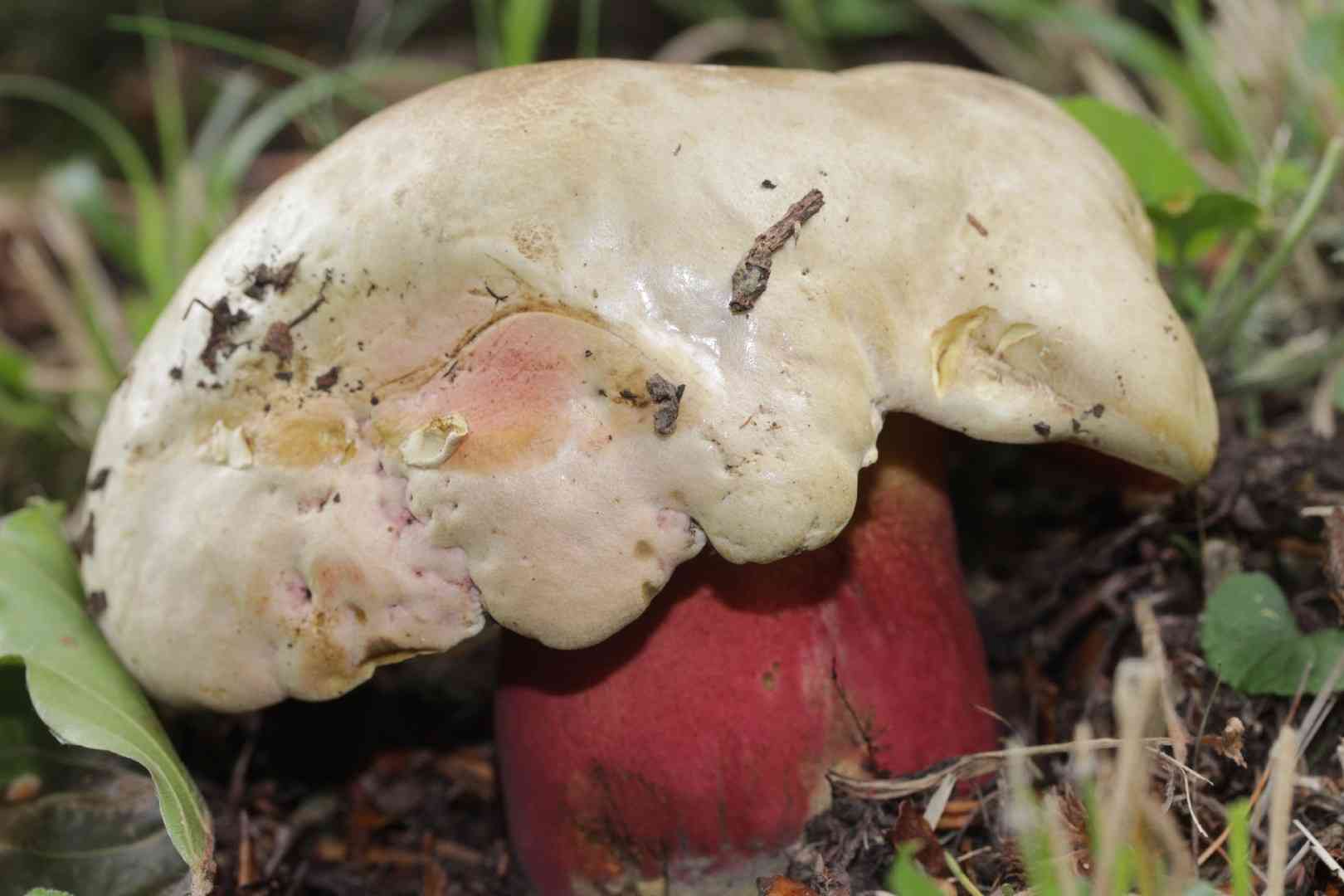
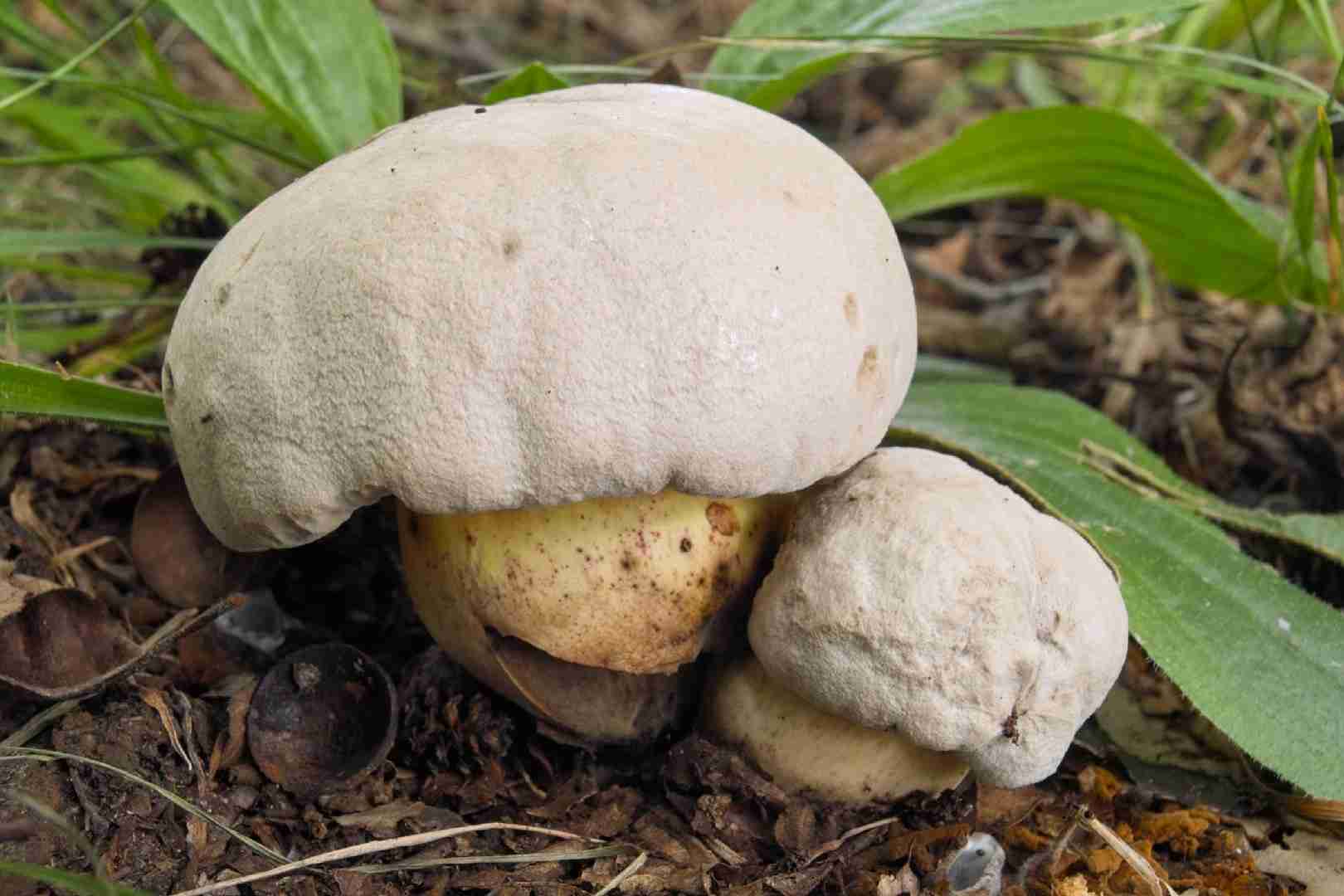
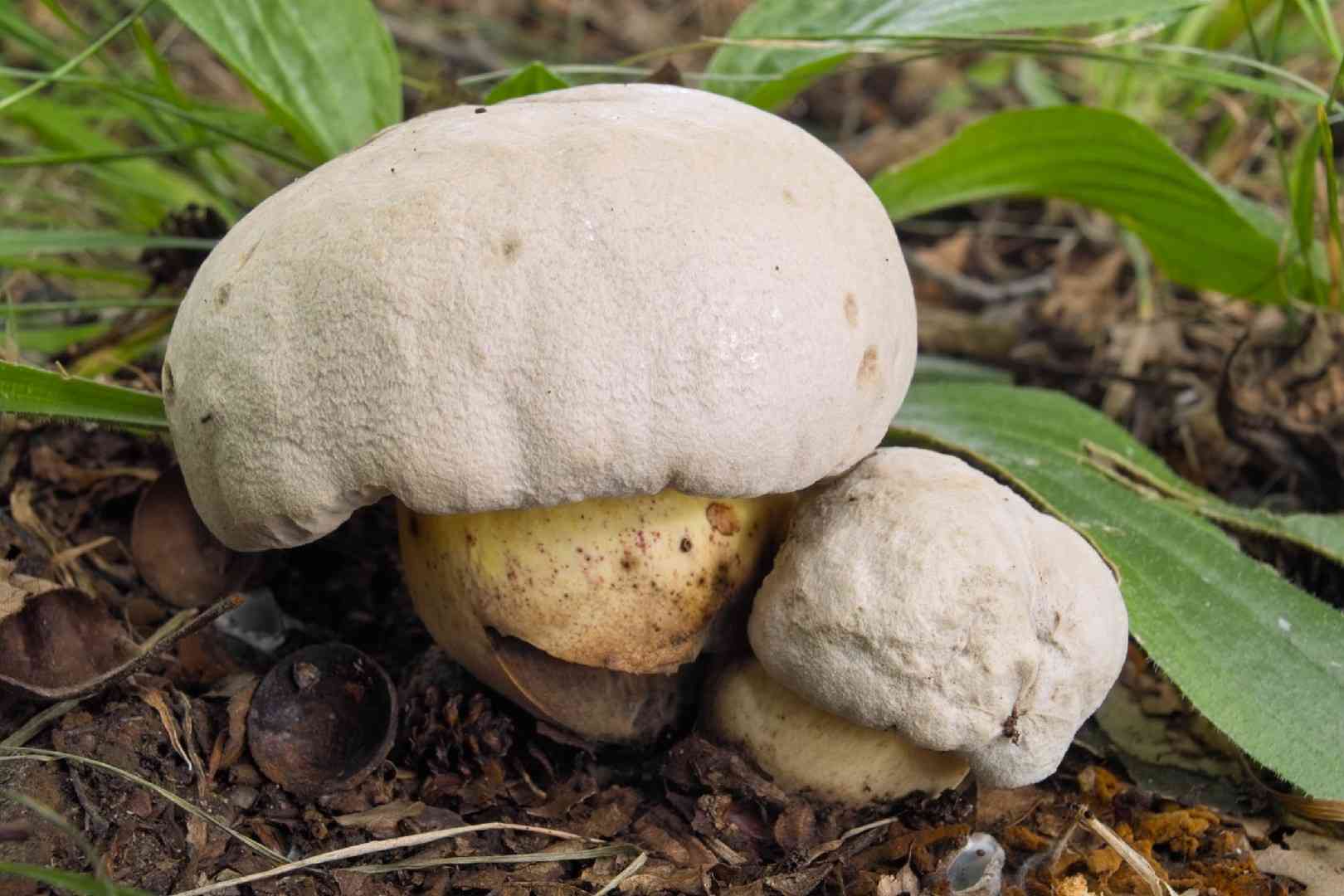
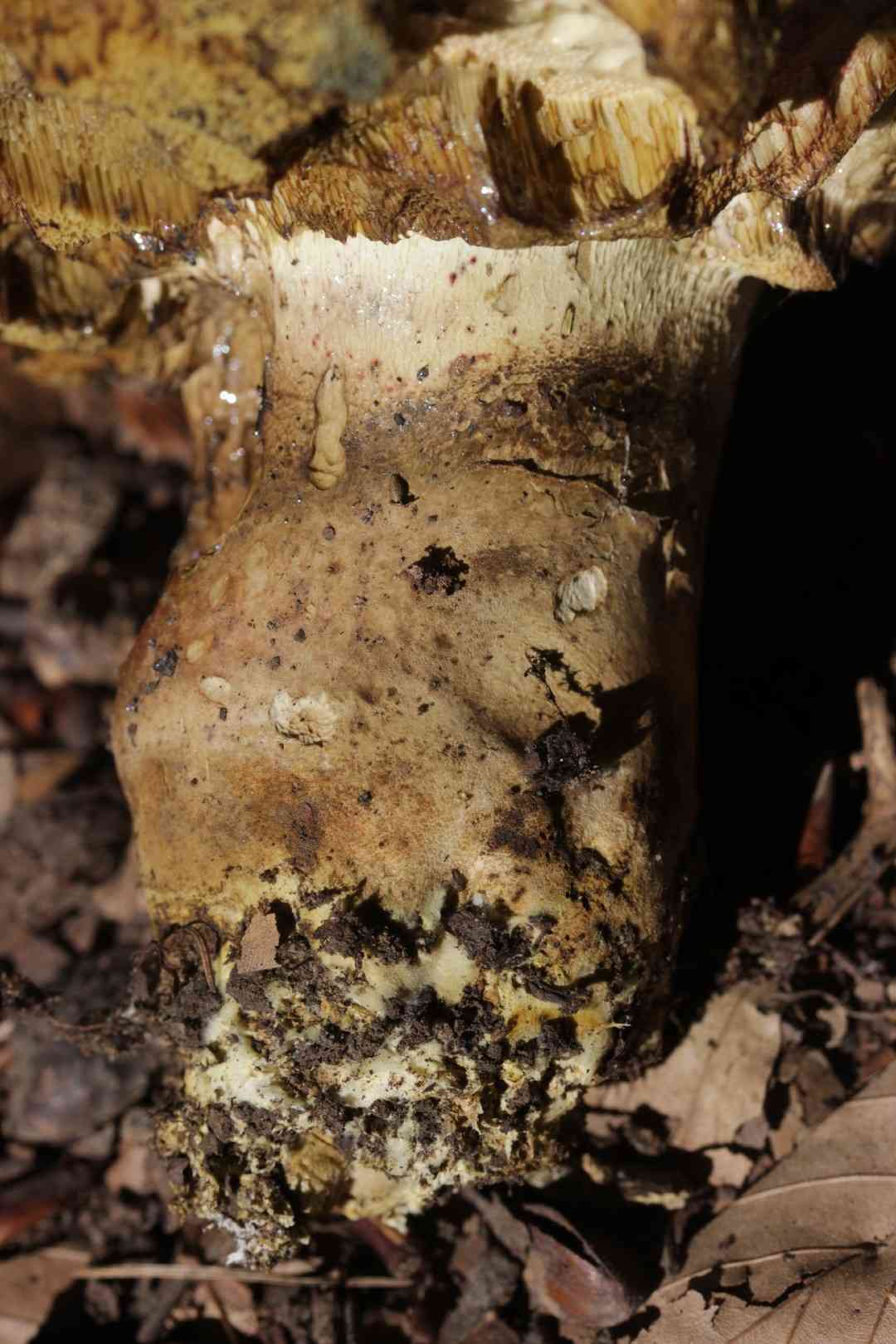
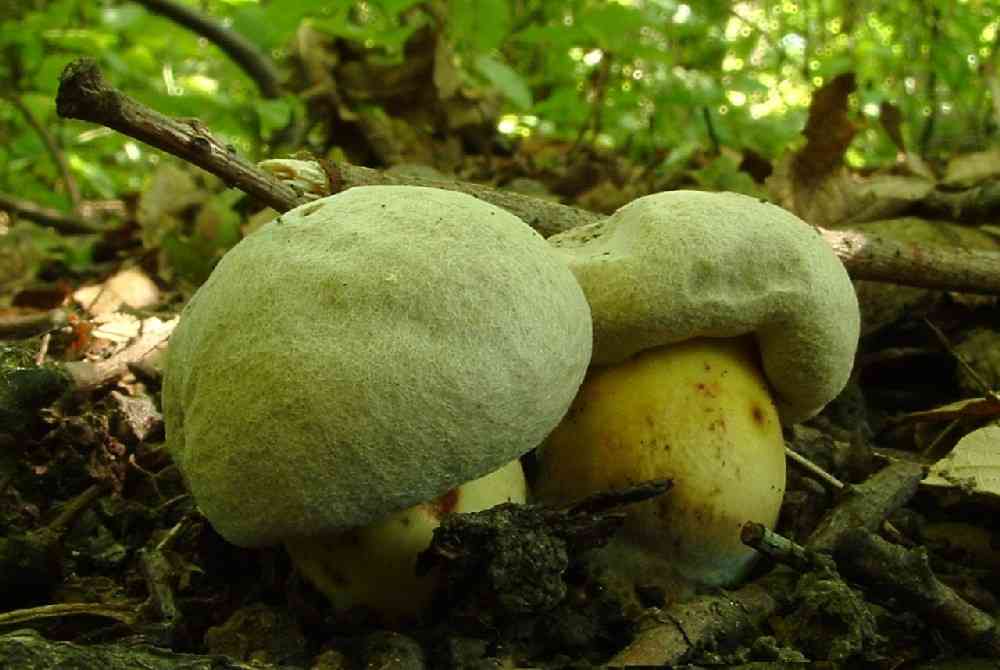
Caloboletus radicans, commonly known as the rooting bolete, is a woodland fungus notable for its distinctive feature: its fruiting bodies occasionally exhibit root-like filaments. These fibrous structures are instrumental in enabling the mushroom to obtain nourishment through a symbiotic partnership with the trees (most often oak or beech) in whose vicinity it thrives during the warmer months of summer and autumn.
Attributes of Rooting bolete
Scientific Classification of Rooting bolete
Toxicity and Edibility of Rooting bolete
Is Rooting bolete Toxic?
Boletus radicans, a substantial ectomycorrhizal fungus, is deemed unsuitable for consumption. Its intense bitterness and the risk of significant health complications if ingested render it inedible. Documented cases of severe emesis and hemorrhagic diarrhea have been linked to its consumption, underscoring its hazardous nature. This species thrives in European deciduous woodlands, typically beneath trees like Beech, Oak, Hornbeam, Lime, and occasionally Rockrose. Key identifying characteristics include a light buff or white cap, yellow pores, a robust stalk, and a noticeable blue discoloration upon bruising or cutting.