Bitter beech bolete
Caloboletus calopus
A species of Bitter boletes.
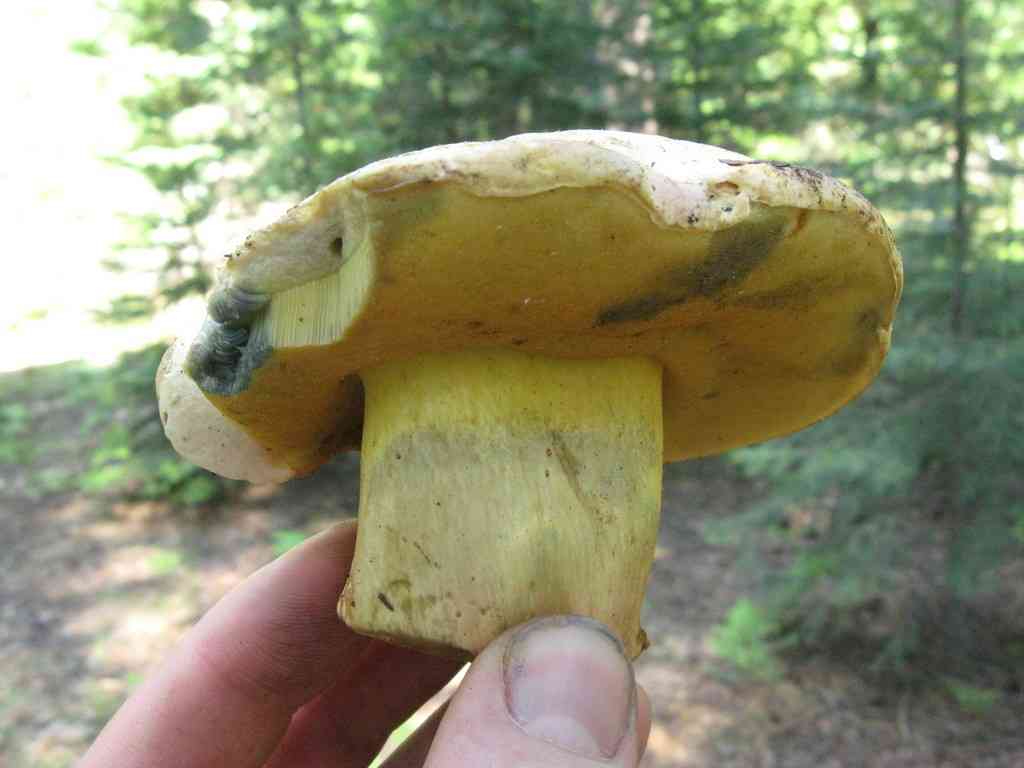
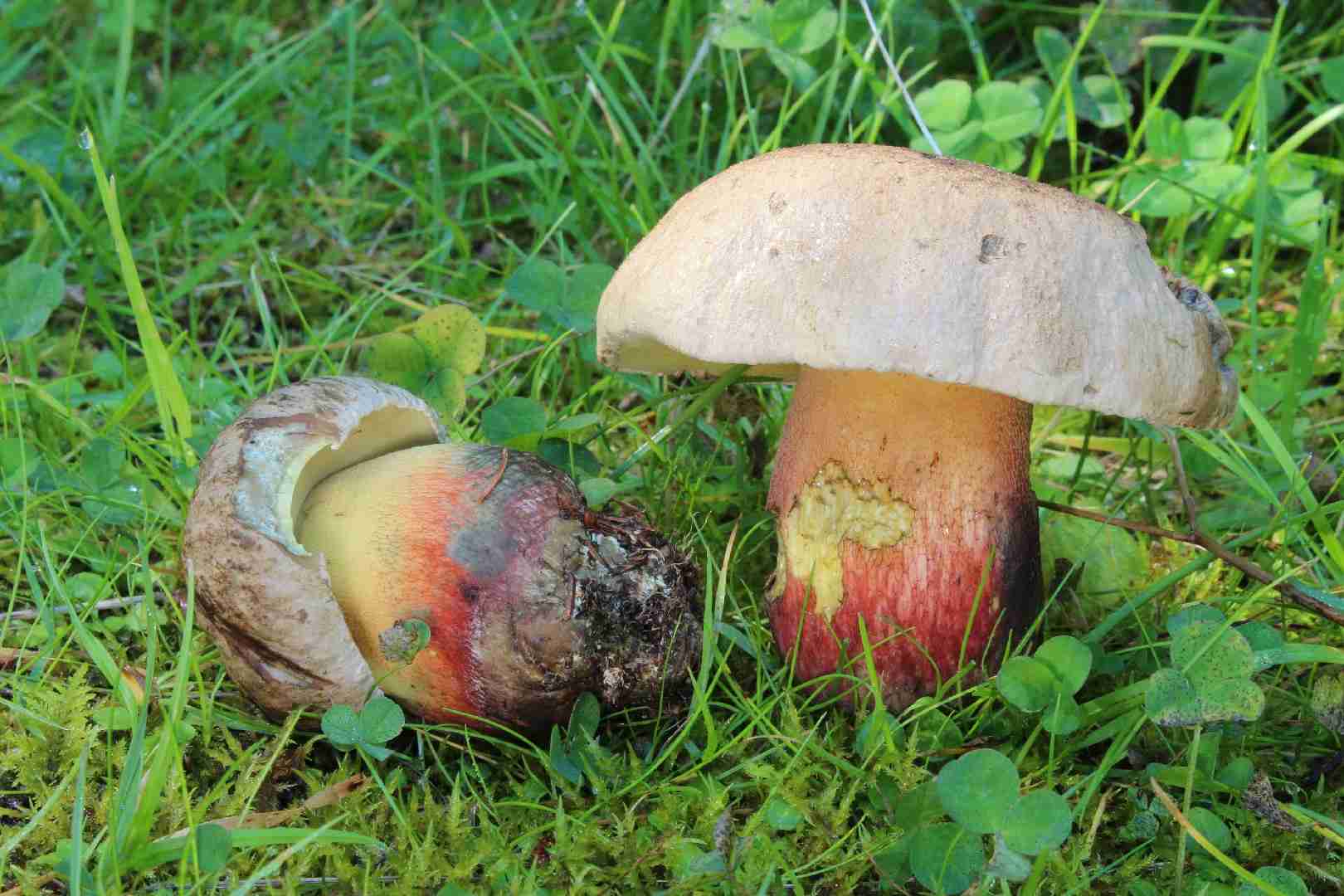
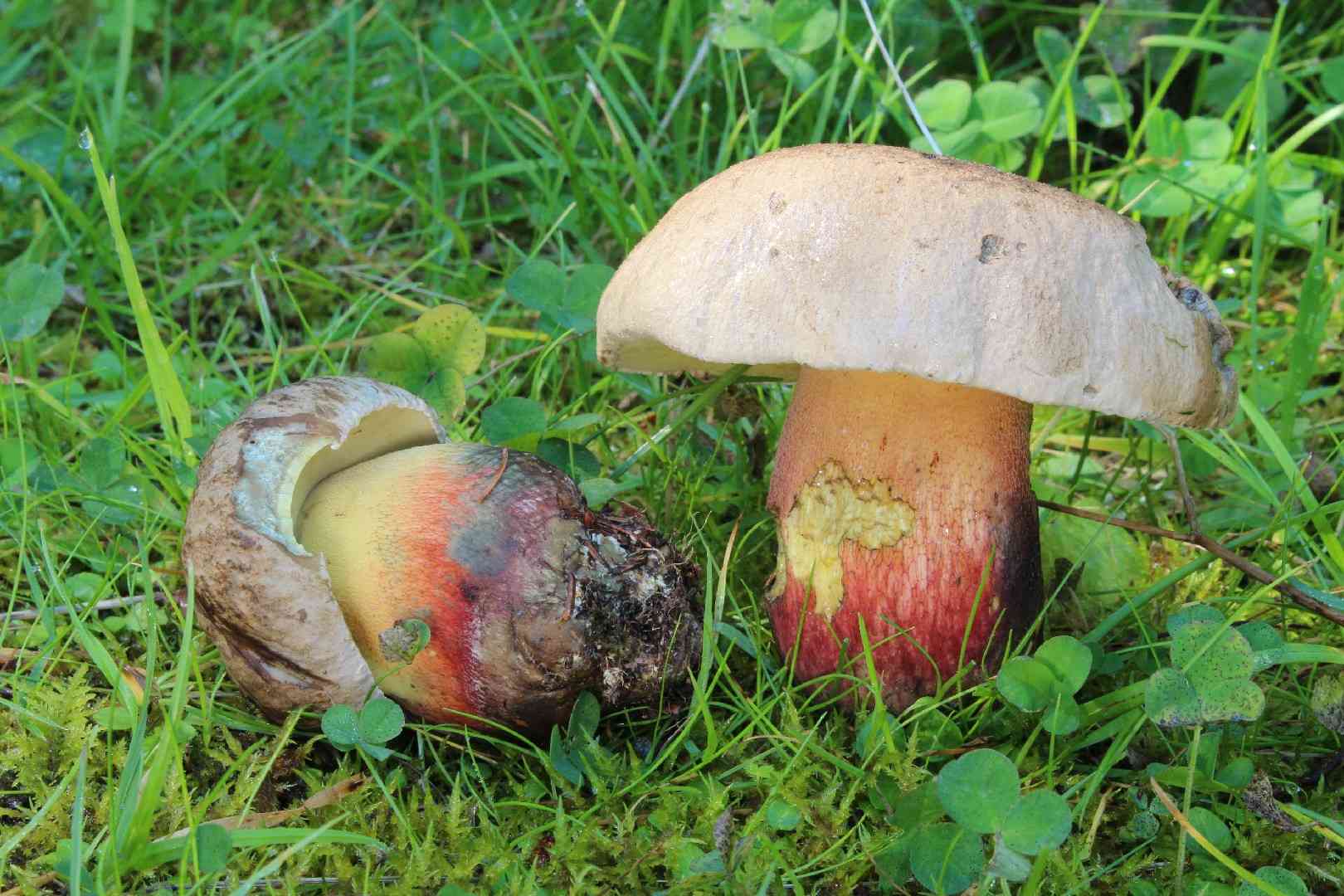
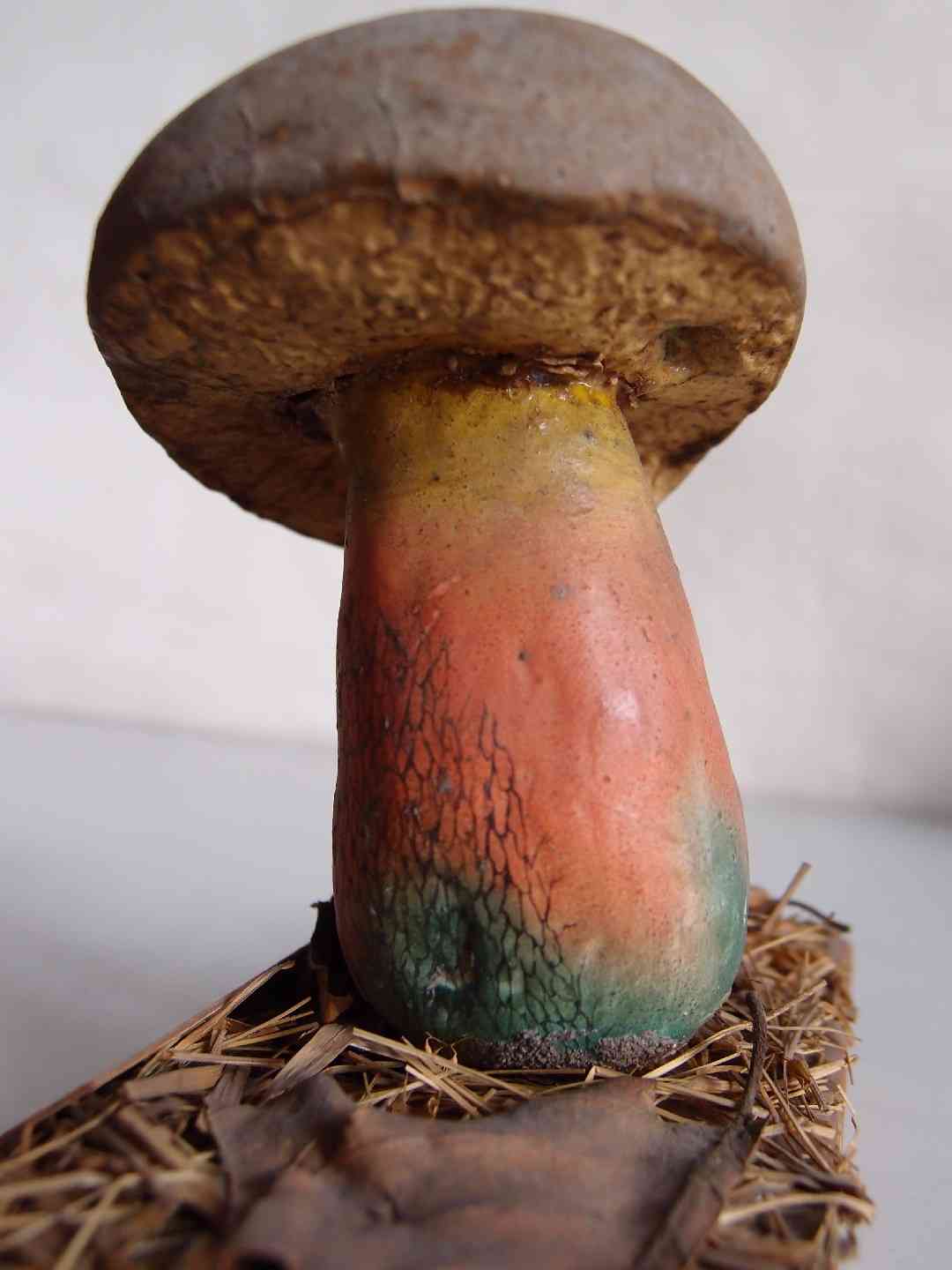
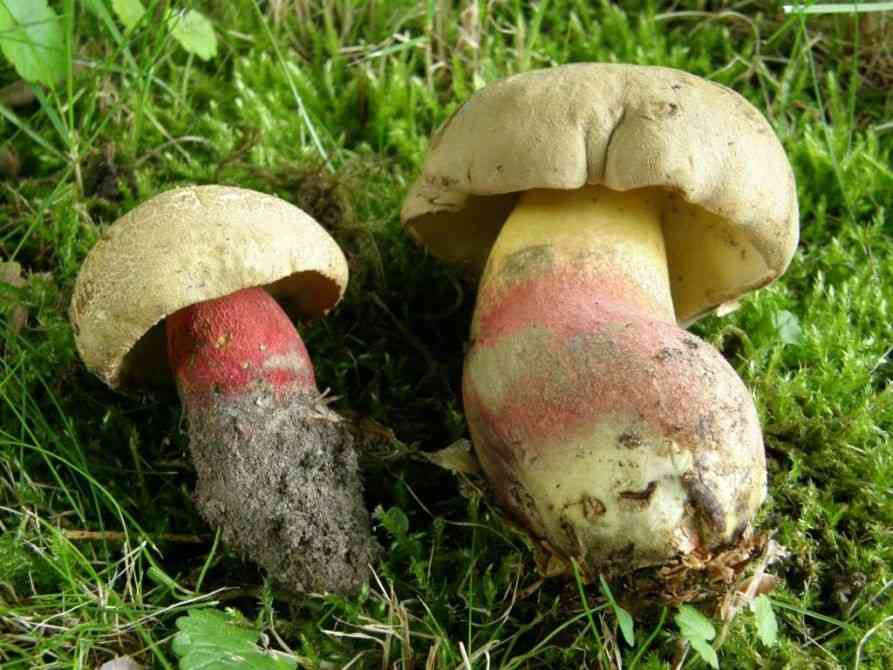
The plump bitter beech bolete (Caloboletus calopus) stands out due to its striking red stalk, a characteristic reflected in its Latin name, calopus, meaning pretty foot. This species tends to grow in clusters and is commonly observed on calcareous ground beneath beech trees, from which it derives part of its name.
Attributes of Bitter beech bolete
Scientific Classification of Bitter beech bolete
Toxicity and Edibility of Bitter beech bolete
Is Bitter beech bolete Toxic?
The identification of Bitter Beech Bolete (Boletus calopus) indicates it is unsuitable for consumption, primarily due to its distinct bitter flavor. Ingesting this mushroom carries the risk of inducing gastrointestinal distress. Its typical habitat includes neutral or alkaline soils, where it grows in close association with beech trees, various deciduous oak species, and occasionally beneath pine and spruce. This fungus establishes an ectomycorrhizal symbiosis with the roots of these trees. Furthermore, there's a significant danger of mistaking it for the considerably more poisonous Rubroboletus satanas. Consequently, it is strongly recommended to avoid consuming Bitter Beech Bolete.